How to Propagate Greek juniper?
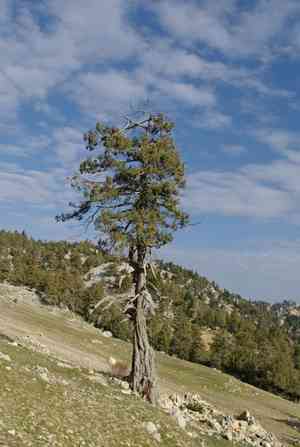
A naturally robust evergreen, greek juniper thrives when propagated via cuttings. Choose a vigorous shoot and execute a precise incision, making sure it encompasses multiple nodes. Submerging the severed tip in rooting compound can boost success rates, then plant it in a substrate that drains effectively. Maintain consistent moisture in the soil and position it in an area receiving diffused light until the cutting takes root. Employing a rooting substrate alongside an equilibrium of hydration and air circulation can substantially elevate the likelihood of successful greek juniper propagation.
Optimal Period for Greek Juniper Propagation
Propagation Method
Cutting
Propagation Period
Autumn,Winter
Tools Required for Greek Juniper Propagation
Sharp Pruning Shears
Sharp pruning shears are crucial for taking cuttings from greek juniper. They enable clean, precise cuts, minimizing harm to the parent plant and boosting the chances of successful rooting. Their sharpness ensures plant tissues aren't crushed, which can hinder healing and increase infection risk.
Rooting Hormone
Rooting hormone aids root development in greek juniper cuttings. Dipping the cut end into the hormone encourages faster root initiation and stronger root growth, vital for greek juniper establishment. This improves overall propagation success rates.
Sterile Potting Mix
A sterile potting mix is essential for providing a disease-free environment for greek juniper cuttings. This medium supports new root growth without pathogen competition, which could otherwise harm vulnerable cuttings. It typically consists of a well-draining yet moisture-retentive blend to encourage root development.
Propagation Trays
Propagation trays are utilized to organize and maintain multiple greek juniper cuttings in a controlled setting. These trays help in evenly distributing moisture and sustaining consistent conditions around the cuttings, which is critical for the rooting process. Trays also facilitate easier management and observation of rooting progress.
Plastic Domes or Covers
Plastic domes or covers are placed over propagation trays to maintain a high humidity environment, which benefits greek juniper cuttings. This setup prevents moisture loss and keeps cuttings hydrated, enhancing rooting success. The controlled environment also reduces transpiration stress on new cuttings.
Method for Propagating Greek Juniper
Propagation Type
Moderately Difficult
Post-Propagation Care for Your Greek Juniper
Post-Propagation Care for Your Greek Juniper
Once greek juniper cuttings have rooted, gradually acclimate them to lower humidity by slightly opening the cover daily over a week. Afterward, move them to a sunny spot and water regularly to keep the soil moist but not waterlogged. Fertilize with a balanced, slow-release product during the growing season. Protect young plants from extreme temperatures and routinely check for pests and diseases.
Common Errors to Avoid When Propagating Greek Juniper
Overwatering
Excessive watering of greek juniper can lead to root rot, as its roots need well-draining soil and are susceptible to fungal diseases when too wet.
Deep Planting
Planting greek juniper cuttings too deep can impede root formation and make it difficult for new shoots to emerge, potentially causing the cutting to die.
Using Unhealthy or Mature Parent Plant Material
Attempting to propagate from mature or diseased greek juniper specimens often results in poor or absent root development due to reduced vitality or transmitted illnesses.
Ignoring Cleanliness
Failing to use sterile tools or pots can introduce pathogens to greek juniper, leading to poor growth or disease, which compromises propagation efforts.
Advice for Propagating Greek Juniper
Select Healthy Cuttings
Choose semi-hardwood cuttings from a robust greek juniper parent plant for a greater chance of successful rooting and growth.
Proper Soil Mixture
Utilize a well-draining soil mix to provide the optimal rooting environment for greek juniper, preventing moisture-related problems.
Propagate at Right Development Stage
Semi-hardwood cuttings are ideal for greek juniper, as they possess a balance of growth potential and structural integrity for rooting.
Monitor Humidity
Maintain appropriate humidity levels for greek juniper cuttings to encourage rooting without fostering mold or rot.



