How to Prune Greek juniper?
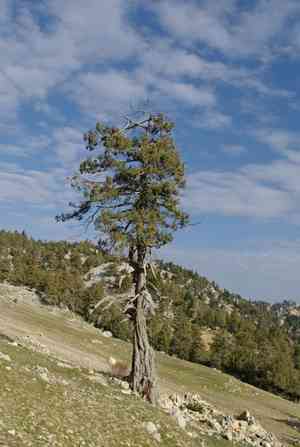
A coniferous evergreen originating from elevated regions, greek juniper is recognized by its thick greenery and conical form. For peak vitality and framework, trim greek juniper during its inactive period, preferably winter, prior to the emergence of new spring shoots. Eliminate deceased or impaired limbs, thin congested sections to improve light exposure and airflow, and gently sculpt to preserve its inherent outline. Refrain from severe cutting, as greek juniper does not easily regenerate from mature wood. Trimming aids in disease prevention and fosters vigorous development.
What Are the Benefits of Pruning Greek Juniper?
What Are the Benefits of Pruning Greek Juniper?
Trimming greek juniper promotes robust development by eliminating dead or weak limbs, thereby fostering strong health. It also preserves the desired form and dimensions, enhancing the plant's visual appeal.
What Is the Best Time for Pruning Greek Juniper?
What Is the Best Time for Pruning Greek Juniper?
During late winter, greek juniper enters a dormant state, making it the optimal period for pruning or trimming. Pruning at this time minimizes plant stress, as it's not actively growing, and the absence of leaves makes greek juniper's structure more visible, allowing for more accurate cuts. Furthermore, any pruning wounds will heal faster with the arrival of the spring growing season, reducing the risk of disease and pest infestations. Late winter pruning also prevents the removal of new growth, which is more likely if pruning occurs in spring or summer. Consequently, late winter is considered the best time to ensure the health and proper shaping of greek juniper, aligning with its natural growth cycle and seasonal considerations.
What Tools Do I Need to Prune Greek Juniper?
Bypass Pruners
Perfect for making clean cuts on live branches of greek juniper up to approximately half an inch in diameter. They operate like scissors with one sharp blade passing by a thicker one.
Loppers
Offer greater leverage for larger branches, 1 to 2 inches in diameter, typically found in mature greek juniper. Their long handles facilitate reaching into dense foliage.
Pruning Saw
Essential for branches exceeding 2 inches in thickness. A pruning saw with a curved blade is suitable for the dense branches of greek juniper, enabling precise and controlled cuts.
Hedge Shears
Most effective for shaping greek juniper when cultivated as a hedge. They allow for cutting multiple small branches simultaneously, giving greek juniper a tidy appearance.
Pole Pruner
Useful for accessing high branches without a ladder. This tool is beneficial for greek juniper that have grown taller and have branches out of normal reach.
Gloves
Thick gloves safeguard hands from the sharp foliage and branches of greek juniper, ensuring safety during pruning.
Pruning Sealer
Although not a tool, it is sometimes applied after cutting large branches to protect greek juniper from diseases. However, the necessity and efficacy of pruning sealers are debated among experts.
How to Prune Greek Juniper
Sanitize
Before beginning, clean your pruning tools to prevent disease transmission. Disinfect shears or saws with a solution of one part bleach to nine parts water.
Inspect
Carefully examine greek juniper to identify dead or diseased branches. Look for branches that are discolored, lack foliage, or show signs of fungal growth.
Cut Dead Branches
Using sharp shears, cut dead branches at the point where they meet healthy wood. Make the cut at a slight angle to allow water to drain and deter disease.
Cut Diseased Branches
Remove diseased branches by cutting well into the healthy wood beyond the affected area. Dispose of these branches far from healthy greek juniper to prevent disease spread.
Cleanup
After pruning greek juniper, clear all trimmings from the ground to prevent pests and diseases from overwintering in the debris.
Common Pruning Mistakes with Greek Juniper
Over-Pruning
Removing too much foliage from greek juniper can weaken the plant, diminish its aesthetic form, and impede its natural growth pattern.
Improper Cutting Technique
Making jagged cuts or tearing branches can create wounds on greek juniper that are vulnerable to pests and disease, potentially leading to dieback.
Disregarding Natural Shape
Failing to maintain the natural conical shape of greek juniper can result in a less healthy and less visually appealing plant.
Pruning Healthy Wood
Removing an excessive amount of healthy wood can stress greek juniper and hinder its overall vitality and appearance.
Using Dull Tools
Operating with dull pruning tools can damage branches, leading to improper cuts that may not heal correctly.
Common Pruning Tips for Greek Juniper
Sharp Tools
Ensure that pruning tools are sharp and clean to make precise cuts that will heal quickly, resulting in healthier growth for greek juniper.
Selective Thinning
Thinning out some of the denser areas of foliage will allow light and air to penetrate the canopy of greek juniper, promoting healthy growth without altering its natural shape.
Prune Dead Wood
Regularly remove dead or diseased branches to maintain the health and appearance of greek juniper, without affecting its growth pattern.
Follow Branch Collar
When removing larger branches, cut just beyond the branch collar to encourage proper healing and prevent disease in greek juniper.
Gradual Reshaping
For reshaping or reducing the size of greek juniper, do it gradually over several seasons to prevent shock to the plant and to maintain its health.



