How to Transplant Alligator juniper?
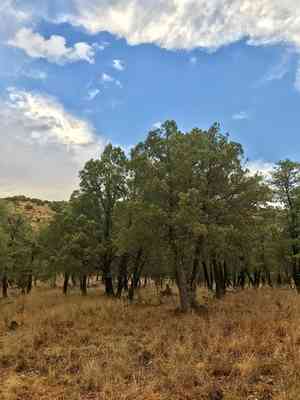
The ideal window for transplanting alligator juniper extends from the revitalizing days of mid-spring through the initial stages of summer, and then once more during the tranquil close of autumn into the early grasp of winter. To achieve the best outcome, choose a location that offers abundant light and soil that drains effectively. When shifting alligator juniper, exercise caution to lessen any disruption to its root system, thereby guaranteeing a smooth adaptation.
Preparations Required Before Relocating Alligator Juniper
When is the Best Time to Move Alligator Juniper?
The perfect time for relocating alligator juniper spans from the gentle warmth of mid-spring to the vibrant start of early summer, or as the year concludes, from late autumn to the initial coolness of early winter. This timeframe allows alligator juniper to develop roots in moderate conditions, promoting better adaptation to its new spot. Moving alligator juniper during these periods leverages milder weather, which is less stressful for the plant, aiding a successful transition and strong development.
What Distance Should Be Maintained Between Alligator Juniper Plants?
When moving alligator juniper, you'll want to provide ample room for root expansion. Aim to space them approximately 10-15 feet (3-4.6 meters) apart. This spacing ensures they have sufficient area to grow robustly and healthily, without competing for nutrients and sunlight.
What is the Optimal Soil Blend for Alligator Juniper Relocation?
For alligator juniper, the ideal soil is free-draining with a slightly acidic to neutral pH. Before relocation, enrich the soil with a balanced, slow-release fertilizer to give your alligator juniper an excellent start. Incorporate some compost to enhance soil structure and moisture retention.
Where Should You Replant Your Alligator Juniper?
Select a sunny location for your alligator juniper as they thrive in full sunlight. Steer clear of overly shaded areas, as alligator juniper flourishes best with abundant direct light. A spot receiving at least 6-8 hours of sunlight daily would be ideal.
Equipment to Prepare Before Relocating Alligator Juniper
Shovel or Garden Spade
For excavating the plant and preparing the new planting site.
Watering Can or Hose
To hydrate the plant before and after its move.
Wheelbarrow
For moving the plant from its original spot to the new location.
Root Pruner or Sharp Knife
To trim any damaged root sections.
Mulch
To help maintain soil moisture and regulate temperature after the move.
Tarp or Burlap
To safeguard and transport the root ball.
Gardening Gloves
To shield your hands while working with soil and plants.
How to Extract Alligator Juniper from the Ground?
How Do You Remove Alligator Juniper from the Soil?
From Ground: Start by thoroughly watering the alligator juniper to facilitate its removal. Next, use a shovel or garden spade to dig a wide circle around the plant, ensuring to extend beyond the branch spread, which typically indicates where root tips are. Dig deep enough to encompass the entire root ball. Gently slide the shovel underneath to loosen the plant, then carefully lift it, placing it onto a tarp or burlap for transport.From Pot: Water your alligator juniper and allow it to drain. Turn the pot on its side, and gently tap the sides and bottom to loosen the root ball. Gradually ease the plant out by the base of the main stem, taking care to support the root ball and minimize root disturbance.From Seedling Tray: Moisten the soil to reduce root damage. Use a spoon or a small gardening tool to gently lift the soil and the alligator juniper from each cell. Once lifted, handle the seedling by its leaves rather than the delicate stem to lessen the risk of injury.
Detailed Steps for Relocating Alligator Juniper
Prepare New Site
Select the ideal spot in your garden that meets the previously mentioned criteria and dig a hole twice as wide as the root ball and of equal depth. Ensure the space accommodates mature growth.
Root Pruning
Examine the root ball of your alligator juniper for any damaged or dead roots and use root pruners or a sharp knife to remove them. This promotes new growth after relocation.
Plant Positioning
Place your alligator juniper in the center of the hole, making sure the top of the root ball is level with the soil surface. Straighten the plant to ensure it stands upright.
Refilling Hole
Carefully backfill the hole with soil, gently firming around the root ball as you proceed. This helps eliminate any air pockets that could dry out the roots.
Watering
Once planted, thoroughly water the alligator juniper to settle the soil and provide moisture to the roots. A slow, deep watering method is most effective.
Mulching
Apply a layer of mulch around the base of your alligator juniper, being careful not to let it touch the main stem. This will help maintain soil moisture and temperature.
Support
If your alligator juniper is tall or top-heavy, you might need to stake it for support. Tie the plant to the stake loosely to prevent damage to the trunk or branches.
Post-Relocation Care for Alligator Juniper
Initial Watering
Water your alligator juniper generously immediately after relocating and continue watering every few days. This aids root recovery and lessens transplant shock.
Monitoring
Observe your alligator juniper for indications of water stress or sun scorch and adjust care accordingly. The foliage can reveal much about the plant's health.
Seasonal Care
As seasons change, adapt your care routine. In hot or dry conditions, your alligator juniper might require more frequent watering.
Pruning
Limit pruning after relocation to only removing dead or damaged branches, allowing the alligator juniper to focus its energy on root establishment.
Addressing Common Issues with Alligator Juniper Relocation.
What's the optimal time to transplant alligator juniper?
For alligator juniper, ideal relocation occurs from mid-spring to early summer or late fall to early winter, ensuring mild temperatures for root establishment.
How far apart should I plant alligator juniper saplings?
Space alligator juniper saplings approximately 10-15 feet (3-4.5 meters) apart to provide ample room for growth.
What are signs alligator juniper needs transplanting?
Look for overcrowding, stunted growth, or pot-bound roots as indicators that alligator juniper requires a new location.
Why is my alligator juniper wilting after transplant?
Alligator juniper may wilt due to transplant shock. Ensure adequate watering and protection from intense sun while it recovers.
How much should I water alligator juniper after transplanting?
Water alligator juniper deeply after relocation to settle the soil, then regularly to keep the soil moist but not waterlogged.
Can alligator juniper be transplanted in winter?
Relocating alligator juniper in late fall to early winter is feasible if the ground is not frozen and temperatures are mild.
How deep should the hole be for transplanting alligator juniper?
Dig a hole twice the width and as deep as the root ball to ensure alligator juniper has sufficient space to establish.
Should I fertilize alligator juniper when transplanting?
Avoid fertilizer immediately after relocation; allow alligator juniper to establish for several weeks, then apply a balanced, slow-release fertilizer.
How to tell if alligator juniper is getting enough light after transplant?
Alligator juniper thrives in full to partial sun. Monitor the plant for vigorous growth and dense foliage as good indicators of sufficient light.
What soil type is best for transplanting alligator juniper?
Alligator juniper prefers well-draining, slightly acidic to neutral soil. Amend heavy clay or sandy soil as needed before relocation.



