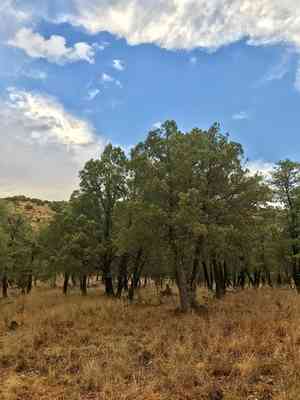
Alligator juniper (Juniperus deppeana)
Also known as: Oakbark Cedar, Mountain Cedar, Tacate, Checkerbark-Juniper
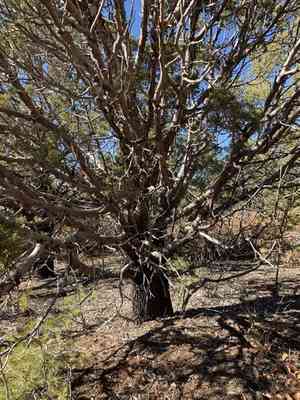
Alligator juniper (Juniperus deppeana) is an evergreen tree named for its distinctive, alligator-like bark with dark, checkered patterns. It can live for several centuries and often develops a substantial trunk. The tree's foliage is a silvery blue-green. In the fall and winter, it produces seed cones that serve as a crucial food source for various wildlife species.
In This Article
Attributes of Alligator juniper
Lifespan
Perennial
Plant Type
Tree
Plant Height
15 m to 18 m
Spread
6 m to 8 m
Leaf Color
Green Blue
Flower Size
Not applicable (Coniferous tree)
Flower Color
Yellow Green Orange
Images of Alligator juniper
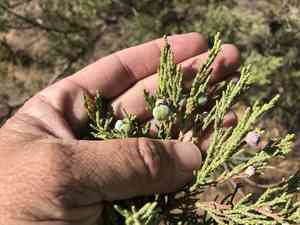
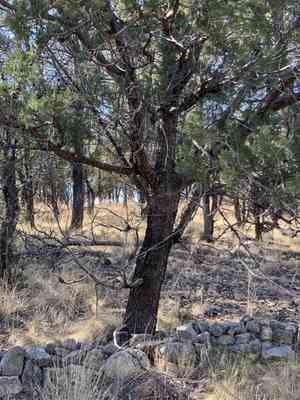
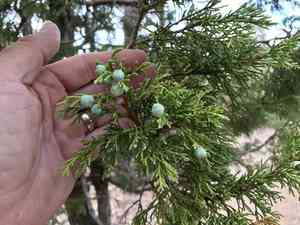
Quickly Identify Alligator juniper
1
The tree can be identified by its unique bark that has a checkered pattern similar to an alligator\'s skin. The foliage is scale-like and the seeds are contained in berry-like cones.
Scientific Classification of Alligator juniper
Phylum
Vascular plants
Class
Conifers
Order
Pinales
Family
Cypress
Genus
Junipers
Species
Alligator juniper
Planting and Growing of Alligator juniper
Care Difficulty
Easy
Watering Schedule
Every 2 days
Sunlight Requirements
Full sun
Sunshine Duration
6-10 hours
Ideal Temperature
50-77℉
Soil Type
Potting Mix, Peat Mix
Soil pH
6.5-7.5
Fertilizer Type
Balanced
Pruning Season
Spring, Summer
Pruning Area
Branches, Leaves
Pruning Frequency
2 times a year
Repotting Season
Spring
Pot Type
Plastic, Ceramic
 How to Water Alligator juniper?
For Juniperus deppeana, you should aim to thoroughly soak the soil until you see water draining from the bottom of the pot. This deep watering allows the roots to grow deeper and strengthens the overall health of the plant. Make sure not to leave the plant sitting in water to prevent root rot.
What are the symptoms of an underwatered Alligator juniper?
›
What should I do if my Alligator juniper is not getting enough water?
›
What are the symptoms of an overwatered Alligator juniper?
›
How to save an overwatered Alligator juniper?
›
 What Are the Sunlight Requirements for Alligator juniper?
Juniperus deppeana performs best with full sun exposure for 6 to 8 hours daily. This optimal light range facilitates healthy growth, vibrant foliage, and increased resistance to environmental stressors.
More About Sunlight Requirements Techniques→
What is the ideal amount of sun exposure for Juniperus deppeana?
›
How can I ensure my Juniperus deppeana gets the right amount of sunlight?
›
What benefits does ideal lighting provide for Juniperus deppeana?
›
 What Is the Ideal Temperature Range for Alligator juniper?
The ideal temperature range for Juniperus deppeana is between 50°F and 77°F. This range supports optimal growth and health, ensuring the plant can photosynthesize effectively and maintain its structural integrity. Temperatures within this range help prevent stress from heat or cold, which can hinder development and lead to potential damage.
 What Soil is Best for Alligator juniper?
Juniperus deppeana thrives in well-drained soil to prevent root rot. This condition ensures that the roots receive adequate oxygen and do not remain waterlogged, which can cause diseases and hinder the plant's growth. This plant prefers moderately fertile soil where it can access enough nutrients to support healthy growth and development. Excessively rich soils can promote rapid and weak growth, whereas too poor soil might stunt it. The plant grows optimally in neutral to slightly alkaline pH levels, aiding in the uptake of essential nutrients. Deviations can lead to nutrient lockout, compromising the plant's health and vitality.
 How to Fertilize Alligator juniper?
Juniperus deppeana typically requires a balanced approach to fertilization. For optimal growth, use a slow-release granular fertilizer with an N-P-K ratio of around 10-10-10 or 14-14-14. Apply about 1 pound per 100 square feet into the soil around the plant's root zone.
 How to Prune Alligator juniper?
Start by removing any dead, diseased, or damaged branches using clean, sharp pruning shears. Make cuts at a slight angle and just above where the branch meets the main trunk. Focus on maintaining the tree's natural shape while ensuring good air circulation through its branches. Regularly stepping back to assess the overall form helps in achieving a balanced and aesthetically pleasing juniper. To shape Juniperus deppeana, lightly trim the outermost growth to encourage a denser canopy. For thinning, selectively remove branches that are overly crowded or crossing each other. This process not only improves the tree's appearance but also allows light to penetrate deeper into the canopy, promoting inner growth and vigor.
More About Pruning Techniques→
 How to Propagate Alligator juniper plant?
1
For seed propagation, gather seeds from mature cones during early spring. For cuttings, select semi-hardwood cuttings in the spring and cut them at an angle to increase rooting chance.
2
Use a well-draining medium, such as a mixture of sand and peat moss, to plant seeds or cuttings. Ensure the medium is moist but not waterlogged.
3
Sow seeds in furrows or plant cuttings slightly deep in the prepared medium. Water adequately to keep the medium moist while avoiding oversaturation.
 How to Repot Alligator juniper plant?
1
Consider repotting Juniperus deppeana when you observe signs of root-bound growth, such as roots protruding from the drainage holes or stunted growth. Spring is ideal as new growth stimulates recovery.
2
Choose a pot that is one size larger than the current one, ensuring it has adequate drainage holes to prevent waterlogging. A slightly larger pot promotes growth while reducing the risk of over-watering.
3
Select a well-draining soil mix, ideally one formulated for conifers. This soil type helps in preventing root rot by allowing excess water to escape, maintaining healthy aeration around the roots.
Toxicity
Ingestion
WARNING
The judgment on toxicity and danger is for reference only. We DO NOT GUARANTEE any accuracy of such judgment. Therefore, you SHALL NOT rely on such judgment. It is IMPORTANT TO SEEK PROFESSIONAL ADVICE in advance when necessary.



