How to Prune Alligator juniper?
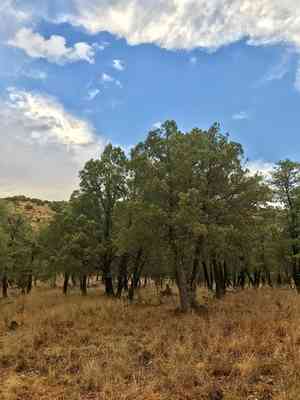
This evergreen species is recognized for its unique bark, which evokes the appearance of reptilian scales. For alligator juniper, trim to sculpt and control its dimensions, prioritizing the elimination of deceased or ailing limbs to foster vigor. Strategic thinning cuts improve air circulation and light exposure. The most suitable period for pruning is during its dormant winter phase, circumventing times of active sap movement to minimize strain. Advantages of pruning encompass regulated development, diminished susceptibility to ailments, and an emphasized inherent structure, crucial for both aesthetic appeal and ecological contribution.
Advantages of Trimming Alligator Juniper
Advantages of Trimming Alligator Juniper
Trimming alligator juniper is crucial for maintaining its defined shape and encouraging vigorous development. Strategic cuts invigorate alligator juniper, fostering denser foliage and a more compact structure.
Optimal Period for Trimming Alligator Juniper
Optimal Period for Trimming Alligator Juniper
Trimming alligator juniper in late winter, just before spring growth commences, is ideal as it minimizes plant stress. During this time, alligator juniper is dormant, conserving energy before its new growth phase. Pruning then allows gardeners to shape the plant without new shoots being vulnerable to cold. Furthermore, the absence of leaves offers better visibility for identifying and removing dead or diseased wood. Avoiding the active growing season prevents sap loss, which can weaken alligator juniper, and reduces the risk of attracting insects or diseases associated with warmer weather.
Tools Required for Trimming Alligator Juniper
Hand Pruners
Perfect for making clean cuts on smaller branches of alligator juniper, ensuring minimal harm to plant tissues.
Loppers
Suitable for cutting through thicker branches that hand pruners cannot manage, offering leverage and reach without user strain.
Pruning Saw
Essential for removing mature, thick branches too large for loppers, enabling controlled and precise cuts vital for alligator juniper's health.
Hedge Shears
Appropriate for shaping and maintaining the dense foliage of alligator juniper, allowing for uniform and visually appealing hedge lines.
Pole Pruner
Useful for reaching higher branches without a ladder, enhancing safety when trimming taller alligator juniper specimens.
How to Trim Alligator Juniper
Clean Tools
Prepare sanitized and sharp trimming tools to prevent disease transmission.
Identify
Thoroughly inspect alligator juniper for dead or diseased branches that require removal for plant health.
Cuts
Make angled cuts just above healthy tissue or branch collars when removing dead or diseased wood to promote proper healing.
Dispose
Remove all trimmed material away from healthy alligator juniper to minimize disease spread risk.
Monitor
Observe alligator juniper after trimming for signs of new growth or further disease, reacting accordingly with proper care or additional trimming if needed.
Common Trimming Errors with Alligator Juniper
Over-Trimming
A frequent error is removing too much foliage at once, which can stress alligator juniper, leading to weak growth or dieback. Generally, no more than one-third of the branches should be trimmed at any given time.
Improper Cuts
Cutting too close to the trunk or leaving too large a stub can impede healing and attract pests and diseases. Cuts should be clean and made at the correct angle just outside the branch collar.
Trimming For Symmetry
Attempting to create a symmetrical shape by cutting alligator juniper into a uniform form can harm its natural structure and reduce its vigor, as alligator juniper has a unique growth pattern that should be respected.
Neglecting Tools
Using dull or dirty trimming tools can create jagged cuts more susceptible to diseases. Always use sharp, clean, and sterilized tools for precise cuts.
General Trimming Advice for Alligator Juniper
Selective Thinning
Promote strong structure and air circulation by selectively thinning crowded branches. This improves light penetration and reduces disease risk for alligator juniper.
Maintenance Trimming
Alligator juniper typically requires minimal trimming. Focus on removing dead, diseased, or damaged branches to promote the plant's health and natural shape.
Renewal Trimming
If alligator juniper has become overgrown or weak, gradual renewal trimming over several seasons can rejuvenate the plant. Remove a few of the oldest branches at ground level to stimulate fresh growth.
Water Sprouts And Suckers
Remove water sprouts (shoots from branches) and suckers (shoots from the base or roots) as they appear, as these can detract from the plant's aesthetics and vigor.



