How Much Sunlight Do Alligator juniper Need?
1
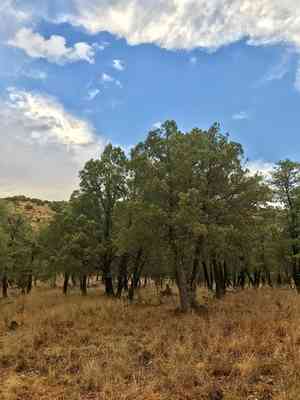
Alligator junipers flourish with ample sun exposure, requiring more than 6 hours of direct daily light.
2
Lack of adequate sunlight can result in fragile branches and hindered development for Alligator juniper.
3
Ideal planting spots involve south-facing locations that receive the most daily sun.
The Importance of Sunlight for Alligator Juniper
Photosynthesis: Essential for Plant Development
For the Alligator juniper, sunlight is not merely beneficial but vital. The process of photosynthesis, which is fundamental to the plant's growth and survival, relies heavily on sufficient sunlight. Photosynthesis allows the juniper to convert light energy into chemical energy, providing the nutrients needed for vigorous development. This process also generates oxygen, contributing to a healthier ecosystem.
Promoting Robust Branch and Trunk Formation
Sufficient sunlight exposure is critical for the development of strong branches and trunks in Alligator juniper. Sunlight aids in the synthesis of crucial nutrients and elements that strengthen the plant's structural integrity. Well-illuminated junipers are typically more resilient and less vulnerable to physical damage from environmental stressors, such as high winds or heavy snowfall.
Optimal Light Conditions for Alligator Juniper
Requirement for Full Sun Exposure
The Alligator juniper thrives best when exposed to full sunlight. This means it requires at least 6 to 8 hours of direct, unfiltered sunlight daily. Full sunlight ensures the juniper receives the energy necessary for vigorous growth and sustained health over time.
Light Intensity and Duration Considerations
Both the duration and the intensity of sunlight are crucial for the Alligator juniper. The quality of sunlight impacts its photosynthesis process. Ideally, this plant should be situated in locations that receive the most intense sunlight, typically during midday. It's best to avoid areas where buildings or other structures create prolonged shade.
Consequences of Insufficient Sunlight for Alligator Juniper
Indicators of Light Deprivation
When an Alligator juniper does not receive enough sunlight, it exhibits several signs. Common symptoms include yellowing or browning of foliage, sparse growth, and weaker, elongated branches as the plant stretches to find light. These are clear indications the plant is struggling.
Impact on Development and Vitality
A lack of adequate sunlight has significant negative effects on the growth and health of Alligator juniper. The plant may experience stunted development with a weakened structure, making it more susceptible to diseases and pests. Overall, insufficient light can severely impede the plant's ability to produce food through photosynthesis, leading to poor health and reduced lifespan.
Strategies for Ensuring Adequate Sunlight for Alligator Juniper
Selecting Ideal Planting Sites
One of the most effective strategies for ensuring your Alligator juniper receives sufficient sunlight is to carefully choose its planting location. Opt for a south-facing spot in your garden, which typically receives the most sunlight throughout the day. Also, consider the sun's path and potential obstructions like large trees or buildings that might cast shadows.
Seasonal Adjustments for Sunlight
Remember that the amount of sunlight varies with the seasons. During the winter months, when the sun is lower in the sky, ensuring your Alligator juniper still gets adequate sunlight may require some modifications. If you're growing your juniper in a container, you might consider relocating it to ensure it continues to receive ample sunlight.
Utilizing Reflective Materials
Employing reflective materials can also enhance the amount of sunlight your Alligator juniper receives. Placing reflective surfaces like light-colored walls or reflective mulch near the plant can help redirect additional light to lower parts of the juniper, which can be particularly beneficial in shaded or partially shaded areas.



