The Alligator juniper Plant Advantage: Maximizing Home and Office Appeal and Wellness
1
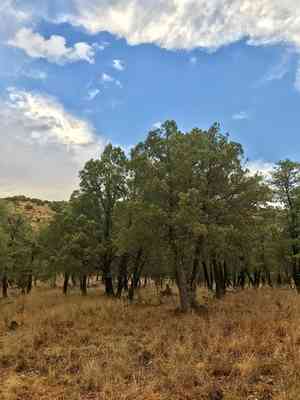
The alligator juniper is recognized by its unique bark, which looks like an alligator's skin.
2
Alligator juniper offers inherent pest management advantages due to its fragrant substances.
3
Alligator juniper has historically been utilized in regional crafts and furniture production because of its robust timber.
What Makes Alligator juniper Distinctive?
Unique Appearance
Alligator juniper is easily identified by its bark, which resembles an alligator's rough hide. This characteristic not only enhances its visual appeal but also functions as a natural defense mechanism.
Native Environment
Typically found in dry and semi-dry regions, Alligator juniper thrives in rugged landscapes. Its capacity to withstand harsh conditions demonstrates its resilience and adaptability, making it a valuable species for environmental preservation.
Ecological Benefits of Alligator juniper
Erosion Prevention
The extensive root system of Alligator juniper plays a vital role in preventing soil erosion. In areas susceptible to landslides and soil degradation, this plant acts as a natural barrier, stabilizing the ground and maintaining soil integrity.
Wildlife Sanctuary
Alligator juniper offers shelter and sustenance for various wildlife species. Birds, mammals, and insects find refuge in its dense foliage and feed on its berries, supporting local biodiversity.
Aesthetic and Practical Applications of Alligator juniper
Craft and Furniture Production
The wood of Alligator juniper is highly prized for its durability and distinctive grain patterns. Local artisans frequently use it in crafting furniture and decorative items, which are valued for their natural beauty and longevity.
Landscape Design
Due to its unique appearance, Alligator juniper is a popular choice in landscaping. It adds a distinctive visual element to gardens and parks, enhancing the overall aesthetic appeal of outdoor spaces.
How Alligator juniper Aids in Natural Pest Management
Aromatic Compounds
Alligator juniper produces aromatic compounds that act as natural deterrents to various pests. These compounds not only safeguard the plant itself but also help reduce pest populations in its vicinity.
Sustainable Agriculture
Integrating Alligator juniper into agricultural practices can lessen the reliance on chemical pesticides. This natural form of pest control supports sustainable farming and fosters a healthier ecosystem.
The Role of Alligator juniper in Cultural and Traditional Practices
Historical Importance
Alligator juniper has been revered in various cultures for its unique attributes. Historically, it has been utilized in numerous cultural ceremonies and traditional practices, highlighting its deep-rooted significance.
Local Craftsmanship
Local communities have long employed Alligator juniper in craftsmanship. The tradition of using its wood in creating everyday items and artworks underscores its versatility and importance in local heritage.



