How to Transplant Saltmeadow rush?
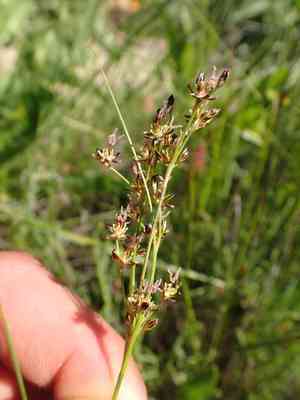
For saltmeadow rush, the most favorable time for relocation is from the onset of early spring until the beginning of summer, or as fall transitions into the core of winter. Select a spot receiving ample sunlight to moderate shade and perpetually damp earth. Carefully introduce saltmeadow rush to its new environment for optimal outcomes.
What Preparations are Needed Before Transplanting Saltmeadow Rush?
What is the Ideal Time for Transplanting Saltmeadow Rush?
For optimal establishment, move saltmeadow rush from early spring's onset until late spring's gentle warmth, or during the quiet period from late autumn into mid-winter. This timing allows saltmeadow rush to develop roots in mild temperatures and stable soil, promoting vigorous growth. Seize this perfect window for relocation â your saltmeadow rush will flourish!
How Much Space Should You Leave Between Saltmeadow Rush Plants?
When relocating saltmeadow rush, provide ample room between each plant â aim for approximately 6-8 inches (15-20 cm). This grants saltmeadow rush the necessary space to thrive and develop!
What is the Best Soil Mix for Saltmeadow Rush Transplanting?
For a healthy saltmeadow rush, blend organic compost into a sandy soil base. Incorporate a balanced slow-release fertilizer initially to encourage robust root development in your perennial companion!
Where Should You Relocate Your Saltmeadow Rush?
Select a sunny location with some partial shade for saltmeadow rush to prosper. These conditions mimic their natural coastal environments and provide the appropriate amount of sun-kissed vitality!
What Equipments Should You Prepare Before Transplantation Saltmeadow Rush?
Gardening Gloves
To safeguard your hands while handling soil and saltmeadow rush.
Shovel or Spade
For excavating saltmeadow rush from its original spot and preparing the new planting site.
Watering Can or Hose
To hydrate the saltmeadow rush before and after the relocation process.
Wheelbarrow or Garden Cart
For moving the saltmeadow rush and soil.
Pruning Shears
For trimming any damaged roots or foliage prior to transplanting.
Garden Fork
To loosen the soil around saltmeadow rush's root ball during removal.
Mulch
To aid in moisture retention and temperature regulation around saltmeadow rush's new position.
How Do You Remove Saltmeadow Rush from the Soil?
How Do You Remove Saltmeadow Rush from the Soil?
From Ground: First, moisten the saltmeadow rush plant to dampen the soil. Next, dig a wide trench around the plant using a shovel or spade, ensuring to keep as much of the root ball intact as possible. Carefully work the shovel beneath the root ball at an angle to gently lift the plant from its location.From Pot: Hydrate the soil in the pot to moisten the root ball. Turn the pot on its side and gently tap the edges to loosen the soil. Grasp the base of the saltmeadow rush and carefully ease it out of the pot, taking care not to forcefully pull on the stems.From Seedling Tray: Dampen the soil in the seedling tray. Use a garden fork or a hand trowel to slowly extract the saltmeadow rush seedling, making sure to retain the soil clinging to the roots for protection.
Step-by-Step Guide for Transplanting Saltmeadow Rush
Preparation
Prepare the new planting area by clearing it of unwanted plants and debris. Dig a hole that is twice as wide and the same depth as the saltmeadow rush's root ball.
Root Pruning
Inspect the root ball and use pruning shears to remove any dead, broken, or circling roots to encourage healthy development.
Plant Positioning
Place the saltmeadow rush in the center of the prepared hole. Ensure the plant's crown is at ground level, not buried too deeply or positioned too high.
Refilling the Hole
Backfill the hole with the excavated soil, gently firming it around the saltmeadow rush's roots to eliminate air pockets.
Watering in
Thoroughly water the saltmeadow rush after planting to settle the soil around the roots and to hydrate the plant.
Applying Mulch
Spread a layer of mulch around the saltmeadow rush, keeping it away from the plant's base, to conserve moisture and regulate soil temperature.
How Do You Care For Saltmeadow Rush After Transplanting?
Regular Watering
Ensure the saltmeadow rush receives consistent watering, especially during its initial growing season, to help establish a robust root system. Adjust frequency based on weather and soil moisture.
Monitoring
Observe the saltmeadow rush for indications of stress, such as wilting or discolored leaves, and address any issues promptly.
Protecting
Safeguard the newly transplanted saltmeadow rush against pest infestations or diseases by regularly inspecting and taking appropriate measures if necessary.
Supportive Staking
If the saltmeadow rush is tall or in an exposed location, consider staking for additional support until it becomes more established.
Feeding
Once the saltmeadow rush has settled, provide a balanced nutrient supplement if needed to promote healthy growth.
Troubleshooting Common Issues with Saltmeadow Rush Transplantation.
When is the ideal time to transplant saltmeadow rush?
The optimal period for relocating saltmeadow rush is from early spring to late spring or from late fall to mid-winter, ensuring good plant establishment.
How much space does saltmeadow rush need between plants?
Remember to space your saltmeadow rushs approximately 6-8 inches (15-20 cm) apart, which allows for healthy growth and air circulation.
What should I do if my saltmeadow rush isn't thriving after transplanting?
Ensure saltmeadow rush is receiving adequate moisture and isn't planted too deeply. Also, verify it's in well-draining soil with proper sun exposure.
Why are my transplanted saltmeadow rush's leaves turning yellow?
Yellow leaves can indicate over-watering or insufficient drainage. Confirm the soil is moist but drains effectively.
How do I prepare the soil for transplanting saltmeadow rush?
Prepare a rich, well-draining soil mixture and consider incorporating organic matter to supply nutrients.
Can I transplant saltmeadow rush during the summer or winter?
It's best to avoid relocating saltmeadow rush during the peak of summer or winter to prevent stress from extreme temperatures.
How deep should I plant saltmeadow rush during transplantation?
Plant saltmeadow rush so its crown is just at the soil surface, allowing its roots to spread easily.
My saltmeadow rush looks wilted post-transplant, what should I do?
A wilted saltmeadow rush may require water. Keep the soil consistently moist but not waterlogged during the initial weeks.
How do I water saltmeadow rush after transplanting?
Water saltmeadow rush deeply after transplanting to settle the soil around its roots, then maintain a regular watering schedule.
What kind of sunlight is best for saltmeadow rush after transplanting?
Position saltmeadow rush in a location where it receives full sun to partial shade, especially where it can enjoy morning sunlight.



