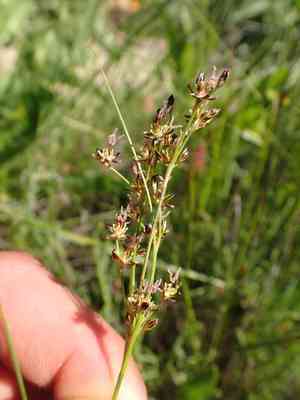
Saltmeadow rush (Juncus gerardii)
Also known as: Saltmarsh rush
Saltmeadow rush (Juncus gerardii) is known for its rapid spread and dominance in saline environments, including both natural and artificial settings. It competes aggressively with native plants, often leading to a decrease in local biodiversity. Its ability to grow through seeds and rhizomes allows it to establish quickly in new areas. Additionally, while it provides some food sources for livestock like cattle and rabbits, its invasive nature poses significant ecological challenges, earning it the classification of an invasive species in certain regions of the United States.
In This Article
Attributes of Saltmeadow rush
Lifespan
Perennial
Plant Type
Grass
Plant Height
30 cm to 61 cm
Spread
5-10 cm (clumped growth)
Leaf Color
Green
Flower Size
0.3-0.6 cm
Flower Color
Yellow Green Purple Brown
Images of Saltmeadow rush
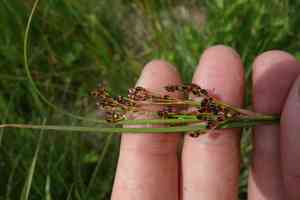
Quickly Identify Saltmeadow rush
1
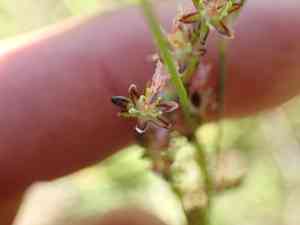
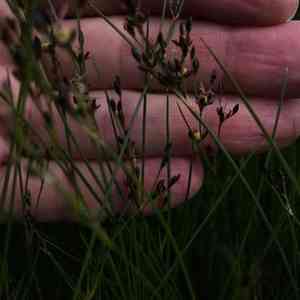
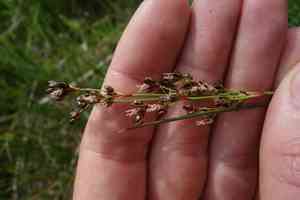
Juncus gerardii can be identified by its clumped growth habit, slender cylindrical stems, and small, brownish flowers clustered in inflorescences. The leaves are basal and grass-like, and the plant typically grows in saline environments.
Scientific Classification of Saltmeadow rush
Phylum
Vascular plants
Class
Monocotyledons
Order
Poales
Family
Rush
Genus
Rushes
Species
Saltmeadow rush
Planting and Growing of Saltmeadow rush
Care Difficulty
Easy
Watering Schedule
Every 4 days
Sunlight Requirements
Full sun
Sunshine Duration
6-12 hours
Ideal Temperature
60-75℉
Soil Type
Potting Mix, Peat Mix
Soil pH
6.5-7.5
Fertilizer Type
Balanced
Pruning Season
Spring, Summer
Pruning Area
Branches, Leaves
Pruning Frequency
2 times a year
Repotting Season
Spring
Pot Type
Plastic, Ceramic
 How to Water Saltmeadow rush?
Juncus gerardii typically requires about 250 milliliters of water per watering session. It is important to water thoroughly enough to reach the root system, ensuring that the soil remains evenly moist but not waterlogged. Avoid allowing the soil to completely dry out between waterings as this can stress the plant.
What are the symptoms of an underwatered Saltmeadow rush?
›
What should I do if my Saltmeadow rush is not getting enough water?
›
What are the symptoms of an overwatered Saltmeadow rush?
›
How to save an overwatered Saltmeadow rush?
›
 What Are the Sunlight Requirements for Saltmeadow rush?
Semi-shaded to sunny areas provide ideal growth conditions for Juncus gerardii. Proper lighting ensures robust development, improved photosynthetic output, and overall better health, contributing to the plant's resilience and aesthetic appeal.
More About Sunlight Requirements Techniques→
What is the best lighting condition for Juncus gerardii?
›
How can you ensure Juncus gerardii receives its ideal light?
›
What are the benefits of ideal lighting for Juncus gerardii?
›
 What Is the Ideal Temperature Range for Saltmeadow rush?
Juncus gerardii thrives best in temperatures ranging from 60°F to 75°F. These conditions facilitate the plant's physiological processes and contribute to optimal growth. It's important to maintain this temperature range to ensure healthy development and productivity.
 What Soil is Best for Saltmeadow rush?
Juncus gerardii thrives in soils that provide good drainage. Well-drained soils prevent waterlogging, which can lead to root rot. The plant benefits from soils that allow excess water to move quickly away, ensuring healthy root development. This plant prefers soils with moderate fertility levels. Overly rich soils can lead to excessive growth that might not be ideal for its natural form. A balance of nutrients supports its growth and resilience against environmental stresses. Retaining some moisture without becoming saturated is crucial. Juncus gerardii appreciates soils that remain moist but not soggy, as consistent moisture supports its wetland nature while allowing the plant to breathe.
 How to Fertilize Saltmeadow rush?
Juncus gerardii typically requires a moderate amount of fertilizer. Since it is a saltmarsh plant, it is adapted to nutrient-poor environments. Therefore, over-fertilizing can be detrimental. A balanced liquid fertilizer applied at half strength is usually sufficient. For slow-release fertilizers, use a low rate, dispersing only a small quantity around the root zone.
 How to Prune Saltmeadow rush?
Begin by removing any dead or discolored stems at their base, as this promotes healthy growth. Cut back tall and unruly stems to maintain a neat shape, ensuring your tools are sharp to avoid rough cuts. Use sharp and clean pruning shears or scissors to make precise cuts. Disinfect tools before and after use to prevent the spread of diseases among plants.
More About Pruning Techniques→
 How to Propagate Saltmeadow rush plant?
1
Collect seeds from mature Juncus gerardii plants in late summer. Ensure the seeds are dry and free from any moisture, as this can promote fungal growth during storage.
2
Prepare a well-draining soil mix with a combination of sand and peat. Fill the seed trays with this mixture to provide a suitable environment for the seeds to germinate.
3
In spring, use a garden fork to carefully lift clumps from the ground. Gently separate the roots into smaller sections, ensuring each division has sufficient roots and shoots before replanting.
 How to Repot Saltmeadow rush plant?
1
Juncus gerardii requires repotting when you notice its roots circling the pot, popping up at the soil surface, or water draining too quickly. These signals mean the plant has likely outgrown its current home, and it’s time to give it a bit more room to spread its roots. Spring or early summer is the perfect time to undertake this process, harnessing the plant’s natural growth energy.
2
Opt for a pot that is 1-2 sizes larger than the current one, with good drainage holes at the bottom. A slightly bigger space provides the roots sufficient room to expand without drowning in excess soil, which prevents root rot. Using a pot with drainage holes ensures that any excess water drains properly, preventing waterlogging, which is beneficial for maintaining plant health.
3
Select a sandy, well-draining potting mix for Juncus gerardii, mimicking its natural coastal habitat. This type of soil ensures adequate water drainage and oxygen flow to the roots, reducing the risk of root rot. It’s important that the soil retains some moisture without becoming compacted or overly wet, thereby providing balanced growing conditions.



