How to Propagate Saltmeadow rush?
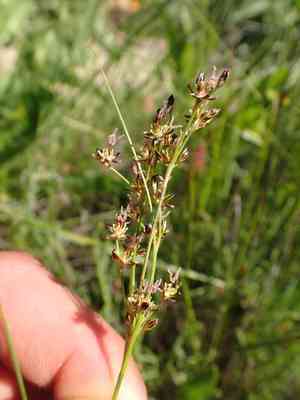
A sturdy wetland perennial, saltmeadow rush flourishes when reproduced by dividing its root ball. This technique entails splitting the compact clusters that organically develop as saltmeadow rush reaches maturity. Meticulous removal and transplantation of portions with their root systems intact guarantee successful establishment in comparable boggy environments. When performing division, target periods of active development, making sure each new piece possesses sufficient leaves to support its growth while reducing transplant stress. Following division, steady hydration and shelter from desiccating breezes aid rapid root formation and acclimation in the fresh location.
Optimal Period for Saltmeadow Rush Propagation
Propagation Method
Division
Propagation Period
Spring,Autumn
Tools Required for Saltmeadow Rush Propagation
Sharp Knife or Spade
A keen-edged knife or spade is crucial for dividing saltmeadow rush. This implement aids in cleanly cutting through the root mass or clump, minimizing harm to the saltmeadow rush roots. The blade's sharpness is key for making precise cuts, vital for quick recovery and re-establishment of the separated sections.
Watering Can with Fine Rose
During the propagation process, ensuring saltmeadow rush is adequately hydrated is fundamental due to its preference for marshland environments. A watering can equipped with a fine rose attachment allows for gentle irrigation without dislodging soil or harming delicate new roots. This promotes consistent moisture around the root zone, essential for successful saltmeadow rush establishment.
Garden Fork
A garden fork is employed to carefully lift saltmeadow rush from the ground with minimal root disturbance. The tines of the fork are perfect for loosening the soil surrounding saltmeadow rush, simplifying the lifting process for division. This tool helps preserve the root system's integrity, which is crucial for healthy propagation.
Rooting Hormone (Optional)
While not always necessary, applying a rooting hormone to the cut sections of saltmeadow rush's roots can boost root development and improve survival rates. This is particularly beneficial under less than ideal propagation conditions or to provide an extra stimulus to new divisions.
Planting Pots and Appropriate Soil Mix
Following division, potting each saltmeadow rush section into a container with a suitable soil mix can encourage better growth. The soil should mimic saltmeadow rush's natural habitat, typically well-draining and moist. Pots offer a controlled setting to monitor the progress of each newly propagated section and make adjustments as needed.
How to Propagate Saltmeadow Rush?
Propagation Type
Easy
Caring for Your Newly Propagated Saltmeadow Rush
Caring for Your Newly Propagated Saltmeadow Rush
Post-propagation, maintain consistently damp soil conditions for saltmeadow rush as they thrive in wet environments. Watch for signs of water stress, especially during dry spells, and provide extra watering if needed. Saltmeadow rush generally requires minimal fertilization, but an annual application of a balanced, slow-release fertilizer can encourage healthier growth. It's also important to manage weed competition, which can be particularly aggressive in the moist soils favored by saltmeadow rush.
Common Errors to Avoid When Propagating Saltmeadow Rush
Overwatering
Saturating the soil where saltmeadow rush is propagated can lead to root rot or fungal growth, hindering the plant's ability to establish and flourish.
Ignoring soil salinity requirements
Using standard potting soil, which lacks the necessary salt content, can stress saltmeadow rush, as it naturally thrives in salty environments. This can result in poor growth or plant death.
Deep planting
Burying the rhizomes or seeds of saltmeadow rush too deeply can impede their ability to germinate or establish, as saltmeadow rush needs to be near the surface to successfully sprout.
Tips For Propagating Saltmeadow Rush
Use salt-enriched medium
Replicate saltmeadow rush's natural habitat by adding salt to the propagation medium or using soil with a natural saline content, which supports healthier growth and adaptation.
Lightly cover seeds
When sowing seeds of saltmeadow rush, lightly cover them with soil. This ensures exposure to enough light, which is essential for optimal germination.
Regular moderate watering
Maintain a balance in soil moisture for saltmeadow rush. Regular but moderate watering ensures the soil is moist but not waterlogged, supporting health without risking root issues.



