Enhancing Your Garden Design with the Saltmeadow rush Plant: A Landscaping Guide
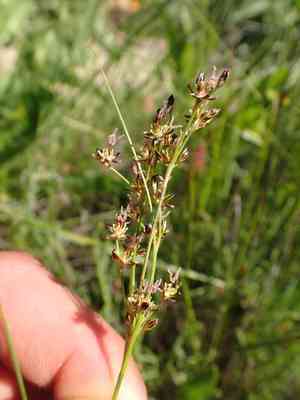
1
Saltmeadow rush is ideal for crafting authentic aquatic elements within outdoor spaces.
2
Saltmeadow rush flourishes in salty and damp conditions, offering flexibility for diverse design endeavors.
3
Incorporating Saltmeadow rush into your garden can benefit local ecological systems and species diversity.
Introducing Saltmeadow Rush in Landscape Design
Overview of Saltmeadow rush and its native environment
A crucial element of effective landscape design involves selecting plants that not only flourish in their surroundings but also enhance the area's beauty and ecological value. Saltmeadow rush, a resilient perennial, naturally inhabits salt marshes and coastal zones, making it uniquely suited for challenging conditions where many other plants would struggle. This adaptability is a hallmark of Saltmeadow rush, as it thrives in salty and damp environments while offering a lush, green appearance that can elevate any landscape scheme.
Reasons to select Saltmeadow rush for landscaping projects
When considering plants for landscape endeavors, Saltmeadow rush presents several compelling arguments for its inclusion. Firstly, its resilience in saline conditions means it can prosper where other plants would fail, providing a dependable addition to difficult sites. Furthermore, Saltmeadow rush offers a distinct texture and form that can introduce visual interest and contrast to garden layouts. Its dense, clumping growth can create striking features in both contemporary and naturalistic landscapes. Additionally, utilizing Saltmeadow rush supports sustainability, as it requires less frequent irrigation once established, conserving water resources.
Design Concepts with Saltmeadow Rush
Integrating Saltmeadow rush into garden borders
An effective method to employ Saltmeadow rush in landscaping is by incorporating it into garden edges. The thick clusters of grass-like foliage create a neat and defined boundary along paths, flowerbeds, and garden perimeters. This provides a natural, yet organized look that can highlight other plantings and landscape elements. Its height and texture offer a soft barrier, which can be particularly appealing in creating separation without the need for constructed features like fences or walls.
Utilizing Saltmeadow rush to create natural-looking water features
Water features add serenity and charm to any garden, and Saltmeadow rush is an excellent plant for enhancing these elements. It thrives in moist, even saturated conditions, making it perfect for planting around ponds, streams, and artificial waterfalls. Its ability to withstand wet environments means it can help stabilize soil around water edges, preventing erosion. The natural, flowing appearance of Saltmeadow rush complements the aesthetics of water, creating a seamless integration that looks both elegant and effortless.
Harnessing the texture of Saltmeadow rush for visual contrast
The texture and shape of Saltmeadow rush can be used to generate striking visual contrasts in the landscape. Its fine, arching foliage contrasts beautifully with broader-leaved plants and can be used to soften hardscapes like stone pathways or concrete patios. Planting Saltmeadow rush in groups or masses creates a wave-like effect that draws the eye and adds dynamic movement to the garden. This visual interplay can enhance the complexity and depth of the design, making the landscape more engaging and visually rich.
Environmental Advantages of Saltmeadow Rush
Saltmeadow rush's contribution to local ecosystems
Saltmeadow rush plays a vital role in supporting local ecosystems. Its presence in a landscape can improve soil health by preventing erosion with its extensive root system. Moreover, it provides a habitat and food source for various wildlife, including insects, birds, and small mammals. This helps to promote biodiversity and maintain ecological balance. In areas where natural habitats are being lost, incorporating Saltmeadow rush into landscaping can offer a refuge for local flora and fauna, contributing positively to the environment.
Suitability of Saltmeadow rush for sustainable landscaping
For those interested in sustainable landscaping, Saltmeadow rush is an exemplary choice. Its low maintenance requirements mean less reliance on irrigation, fertilizers, and pesticides, reducing the overall environmental impact of landscaping efforts. Saltmeadow rush's ability to thrive in saline and less fertile soils also means it can be used to reclaim and stabilize degraded land, transforming unproductive areas into flourishing green spaces. Implementing Saltmeadow rush in landscape designs aligns with ecological principles and supports conservation efforts.
Maintenance Guidelines for Saltmeadow Rush
Fundamental tips for maintaining healthy Saltmeadow rush in your landscape
Caring for Saltmeadow rush is straightforward, primarily due to its resilient nature. Regular, thorough watering will help it establish a robust root system, especially during its initial growing season. Once established, it is relatively drought-tolerant. Occasional trimming can help maintain its appearance and remove any dead or damaged foliage. Mulching around the base can help retain moisture and suppress weeds. Providing adequate sunlight and ensuring the soil remains moist yet well-draining will keep Saltmeadow rush thriving.
Seasonal considerations for Saltmeadow rush care
Seasonal care for Saltmeadow rush involves a few simple steps to ensure its health throughout the year. In spring, a light application of compost can boost growth as the plant emerges from winter dormancy. During summer, ensure consistent watering to counteract dry spells. In autumn, cutting back any dead or yellowing foliage helps maintain a tidy appearance and prepares the plant for winter. While Saltmeadow rush is tolerant of cold, providing a light mulch in extremely cold regions can offer additional protection. With these straightforward practices, Saltmeadow rush will continue to enhance your landscape through every season.



