How to Prune Saltmeadow rush?
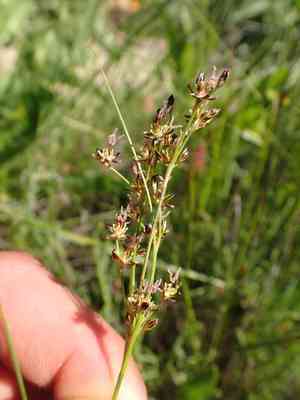
Recognized for its resilience in salty conditions, saltmeadow rush flourishes in littoral wetlands. Trim away any deceased or compromised leaves from saltmeadow rush in the initial part of spring or throughout winter to stimulate robust development. During these inactive periods, cutting back older stalks boosts vitality and averts excessive density, facilitating sufficient air movement. Periodic trimming additionally encourages fresh sprouts, guaranteeing saltmeadow rush's visual attractiveness and environmental role within its ecosystem. Meticulous elimination of withered material preserves the plant's structure and the habitat's wholeness.
What Are the Benefits of Pruning Saltmeadow Rush?
What Are the Benefits of Pruning Saltmeadow Rush?
Trimming saltmeadow rush encourages robust development and aids in maintaining its desired form, which is vital for both visual appeal and plant vitality. Consistent trimming ensures dense and strong foliage, essential for saltmeadow rush's flourishing in its natural marshy habitats.
What Is the Best Time for Pruning Saltmeadow Rush?
What Is the Best Time for Pruning Saltmeadow Rush?
Trimming saltmeadow rush in early spring coincides with the end of its dormant phase, preparing it for the vigorous growth typical of the active season. Pruning at this time helps revitalize the plant, eliminate any dead or damaged foliage from winter, and promote healthier, denser growth. Winter pruning, when the plant is fully inactive, is perfect for significant size reduction and shaping of saltmeadow rush. During this period, the plant's sap flow is slow, minimizing stress and excessive sap loss. Additionally, the absence of leaves makes it easier to see the plant's structure, allowing for more accurate cuts. Avoiding pruning during the active growth period reduces disruptions to the plant's life cycle, helping maintain its health and vigor.
What Tools Do I Need to Prune Saltmeadow Rush?
Hand Pruners
Perfect for cutting through the relatively slender stems of saltmeadow rush. This tool enables precise cuts to remove dead or damaged foliage without harming the rest of the plant.
Garden Shears
Useful for trimming larger sections of saltmeadow rush when shaping or size reduction is needed, ensuring clean and even cuts across multiple stems simultaneously.
Gloves
Protective gloves are crucial to shield hands from rough edges and potentially irritating sap while handling and trimming saltmeadow rush.
Garden Knife
A sharp garden knife is suitable for cutting back old, tough stems of saltmeadow rush or dividing clumps when necessary, offering enhanced control and precision.
Long-Handled Loppers
If saltmeadow rush is mature and has thicker stems that hand pruners cannot manage, loppers with long handles provide the necessary leverage for clean cuts without harming the plant.
How to Prune Saltmeadow Rush
Identify
Inspect saltmeadow rush for diseased and withered leaves. Be sure to differentiate these from healthy green growth.
Disinfect
Before you start, sanitize your pruning tools to prevent disease transmission. Use a solution of 1 part bleach to 9 parts water to sterilize shears.
Prune Diseased
Carefully remove diseased leaves by cutting at the base of the leaf, where it connects to the main stem of saltmeadow rush, to avoid damaging healthy parts.
Prune Withered
Trim withered leaves in the same manner, cutting at the base to preserve the aesthetic and health of saltmeadow rush.
Cleanup
Dispose of removed material promptly and clean the area to limit disease spread and encourage healthy growth of saltmeadow rush.
Common Pruning Mistakes with Saltmeadow Rush
Overpruning
A common error is removing too much foliage, which can stress saltmeadow rush and lead to poor growth or susceptibility to pests and diseases.
Imprecise Cuts
Making cuts too far from the base of dead or damaged leaves can leave unsightly stubs that may rot and invite disease.
Pruning Healthy Tissue
Accidentally cutting healthy parts of saltmeadow rush can hinder its natural growth pattern and reduce its vigor.
Using Dull Tools
Employing dull or unclean pruning tools can damage saltmeadow rush tissues, resulting in a ragged cut that is more prone to infection.
Ignoring Dead Leaves
Failing to remove dead or damaged leaves can diminish the visual appeal of saltmeadow rush and potentially lead to disease spread.
Common Pruning Tips for Saltmeadow Rush
Sharp Tools
Ensure tools are sharp and clean before beginning the pruning process to make precise cuts that heal quickly.
Basal Cutting
When removing dead or damaged leaves, cut close to the base without harming the crown of saltmeadow rush, to keep the plant looking neat.
Conservative Approach
Adopt a cautious approach to pruning, focusing on removing only what is necessary for the plant's health or shape.
Regular Checkups
Perform routine inspections on saltmeadow rush to identify and remove damaged or diseased foliage before it can affect the rest of the plant.
Post-Pruning Care
Provide adequate water and, if needed, a balanced fertilizer after pruning to support healthy regrowth.



