How to Transplant Jointleaf rush?
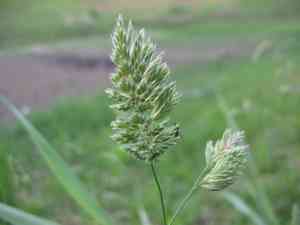
Relocate jointleaf rush during the pleasant shift from the warmth of late spring to the liveliness of early summer, or throughout the tranquil, cool beginning of late autumn extending into early winter. Select a location with sufficient dampness. Careful manipulation guarantees a flourishing, healthy jointleaf rush.
Necessary Preparations Before Relocating Jointleaf Rush?
Optimal Period for Moving Jointleaf Rush?
The perfect window for relocating jointleaf rush is when spring's warmth begins to permeate the earth, extending into early summer, or as the year transitions from late autumn into the crisp embrace of winter. Placing jointleaf rush in your garden during these periods aligns with its natural growth patterns, promoting strong root development and smoother adaptation to new surroundings. During these seasons, mild temperatures and sufficient moisture create an ideal nurturing environment, ensuring jointleaf rush flourishes in its new spot.
Required Spacing Between Jointleaf Rush Plants?
Prepare to provide your jointleaf rush ample room to thrive! Aim for a distance of approximately 6-8 inches (15-20 cm). This will ensure each plant has sufficient space to grow while still allowing them to benefit from proximity to one another.
Best Soil Mixture for Jointleaf Rush Relocation?
Before introducing jointleaf rush to its new home, incorporate some organic compost into the soil to nourish your plant. Jointleaf rush prefers well-drained soils, so consider a loamy base. A balanced, slow-release fertilizer will offer jointleaf rush a welcoming start and a good foundation!
Where Should You Replant Your Jointleaf Rush?
For a bright future, select a location for your jointleaf rush that receives abundant sunlight. Partial shade will also work well. Envision a spot where the morning or afternoon sun can gently touch its leaves, while providing some relief during the warmest part of the day.
Equipment to Prepare Before Transplanting Jointleaf Rush?
Gardening Gloves
To safeguard your hands while handling soil and the plant.
Shovel or Spade
For excavating and moving jointleaf rush.
Watering Can
To hydrate jointleaf rush before and after its transfer.
Hand Trowel
Useful for smaller digging tasks and planting jointleaf rush.
Gardening Fork
To loosen soil around jointleaf rush prior to lifting.
Wheelbarrow
To transport the jointleaf rush and soil.
Pruning Shears
To trim any damaged roots or foliage during the relocation.
Buckets or Containers
To temporarily hold the plant and its roots if there's a delay in replanting.
Measuring Tape
To assist in appropriately spacing multiple transplants.
How to Extract Jointleaf Rush from the Soil?
How to Extract Jointleaf Rush from the Soil?
From Ground: First, moisten the jointleaf rush to dampen the soil. Then, excavate a wide trench around the plant using a shovel or spade, ensuring the root ball remains intact. Carefully work the spade beneath the root ball to lift the plant from its original spot.From Pot: Hydrate the jointleaf rush before beginning. Turn the pot on its side and gently tap to loosen the soil. Hold the plant's base and carefully ease it out, making sure to keep the root ball together.From Seedling Tray: Water the seedlings to moisten the soil. Use a hand trowel or similar tool to carefully lift each jointleaf rush plant from its compartment, taking care not to harm the roots.
Step-by-Step Guide for Relocating Jointleaf Rush
Prepare New Site
Prepare the new location for jointleaf rush in advance by clearing the area and loosening the soil.
Dig Hole
Excavate a hole of suitable size for the root ball of jointleaf rush, typically twice the width and to the same depth as the root ball.
Remove jointleaf rush
Follow the extraction process to take jointleaf rush from its original spot without damaging the root structure.
Plant jointleaf rush
Place jointleaf rush into the hole. The top of the root ball should be level with the surrounding soil surface. Fill in around the root ball with soil, and gently compact it.
Water Generously
After planting, thoroughly water jointleaf rush to settle the soil around the roots and eliminate any air pockets.
Mulch
Apply a layer of mulch around the base of jointleaf rush to help retain moisture, being careful not to pile mulch against the stem or leaves.
How to Care for Jointleaf Rush After Relocation?
Watering
Keep the soil around jointleaf rush consistently moist, but not waterlogged, especially for the initial few weeks after transplanting to aid in establishing strong roots.
Monitoring
Regularly inspect jointleaf rush for indications of stress, such as wilting or discolored leaves, and adjust care as needed.
Staking
If jointleaf rush appears unstable in its new location, use a stake to support it until the root system is sufficiently strong.
Pruning
Trim away any damaged or dead leaves and stems to encourage healthy new growth.
Addressing Common Issues with Jointleaf Rush Transplantation.
When is the best time to move jointleaf rush?
Ideally, relocate jointleaf rush during late spring/early summer or late fall/early winter to ensure successful rooting.
How far apart should I space jointleaf rush when replanting?
Space jointleaf rush approximately 6-8 inches (15-20 cm) apart to provide each plant ample room to grow and flourish.
Why is my jointleaf rush wilting after being moved?
Wilting may occur if roots were excessively disturbed during transplant. Ensure careful handling and adequate watering.
Should I fertilize jointleaf rush immediately after transplanting?
Wait a few weeks before fertilizing to prevent root burn, allowing jointleaf rush to settle in its new location.
How much should I water jointleaf rush after relocation?
Water jointleaf rush generously after transplanting to help settle the soil around the roots, then return to normal watering practices.
What soil conditions does jointleaf rush prefer for replanting?
Replant jointleaf rush into well-drained soil rich in organic matter to promote healthy growth.
Can I move jointleaf rush during hot weather?
Avoid transplanting during extreme heat. If necessary, transplant during cooler parts of the day and water thoroughly.
What should I do if the leaves of jointleaf rush turn yellow after transplant?
Yellowing leaves may indicate stress or overwatering. Check moisture levels and adjust care accordingly.
How deep should I plant jointleaf rush during relocation?
Plant jointleaf rush at the same depth it was previously growing to avoid smothering the crown or exposing roots.
Is it acceptable to trim jointleaf rush during transplant?
Light trimming to remove dead or damaged foliage is fine, but avoid heavy pruning until jointleaf rush is established.



