How to Propagate Jointleaf rush?
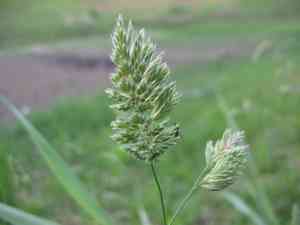
Jointleaf rush flourishes when multiplied via separation, a successful technique suited to its developmental patterns. A useful suggestion for cultivators is to execute the separation when the plant is not actively growing, employing a keen blade to guarantee precise incisions, thereby reducing harm. Diligence is necessary to promptly re-establish the separated sections, preserving sufficient hydration and ground conditions akin to its native marshy environments.
Optimal Time for Jointleaf Rush Propagation
Propagation Method
Division
Propagation Period
Spring,Autumn
Tools for Jointleaf Rush Propagation
Garden Spade or Fork
A robust garden spade or fork is vital for carefully excavating around the root system of jointleaf rush, minimizing disruption or harm. These implements aid in gently lifting the plant from the soil, which is critical as jointleaf rush benefits from minimal root disturbance during propagation. The sharp, durable edges of spades or forks are especially useful for cutting through dense soil and cleanly separating plant sections for replanting.
Sharp Knife or Pruners
These instruments are employed for making clean, precise cuts when dividing the root ball of jointleaf rush. A sharp knife or a pair of pruners ensures smooth divisions, reducing stress and damage to plant tissues, which is crucial for the rapid recovery and successful regrowth of jointleaf rush. Careful cutting promotes healthier root systems, fundamental for this species' propagation success.
Watering Can with a Fine Rose
Following replanting of divisions, careful watering is necessary to ensure good soil contact and minimize air pockets around the roots. A watering can with a fine rose attachment allows for gentle irrigation that does not disturb the newly planted jointleaf rush divisions. This gentle approach helps prevent root dislodgment, ensuring the plant re-establishes more quickly in its new location.
Rooting Hormone (optional)
When propagating jointleaf rush, applying a rooting hormone to the cut root surfaces can boost root growth and development. This is particularly effective if divisions appear less vigorous or smaller. The hormone stimulates root cell development, which can be beneficial for faster and more successful establishment of divisions.
Labeling Materials
Properly labeling each newly divided plant is essential, especially when propagating multiple species or varieties. Labels should ideally be weather-resistant and include key information such as the propagation date and plant identifier. This practice helps monitor the growth and health of each jointleaf rush division and aids in maintaining accurate records for future propagation efforts.
How to Propagate Jointleaf Rush?
Propagation Type
Easy
Caring for Newly Propagated Jointleaf Rush
Caring for Newly Propagated Jointleaf Rush
Post-propagation, ensure jointleaf rush remains in moist conditions, as it thrives in wetlands and damp environments. Consistent watering is vital, especially during dry spells. Mulching can help retain soil moisture. Prevent overcrowding by adequately spacing plants to encourage air circulation and reduce disease risk. Minimal fertilization is needed if planted in rich, organic soil.
Common Errors to Avoid When Propagating Jointleaf Rush
Overwatering
Excessive watering can lead to root rot in jointleaf rush, which prefers moist but not waterlogged conditions. Overwatering reduces oxygen availability, stressing the plant and potentially causing its demise.
Ignoring light requirements
Jointleaf rush needs sufficient sunlight to flourish, though it can tolerate partial shade. Failing to provide adequate light can result in weak growth and poor root development.
Incorrect soil mix
Using a soil mix that drains poorly or is too dense can be harmful to jointleaf rush. Such conditions hinder root growth and can cause water to accumulate around the roots, leading to rot.
Tips For Propagating Jointleaf Rush
Use of clean, sharp tools
Cuttings or divisions of jointleaf rush should be performed using sterile, sharp instruments to prevent disease transmission and ensure clean cuts for improved root establishment.
Maintaining moisture balance
While jointleaf rush appreciates moisture, ensuring the soil is well-draining yet consistently moist is crucial. This balance promotes healthy root growth without the risks associated with overwatering.
Appropriate light exposure
Providing jointleaf rush with partial to full sunlight enhances its growth. Optimal light conditions ensure robust development, essential for successful propagation.
Correct soil choice
Using a lightweight, nutrient-rich, and well-draining soil mixture supports the healthy growth and root development of jointleaf rush. Proper soil conditions are vital for the effective propagation of this plant.



