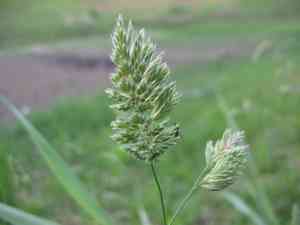
Jointleaf rush (Juncus articulatus)
Also known as: Jointed Rush
Jointleaf rush (Juncus articulatus) is commonly found in a variety of wet environments such as the edges of rivers, swamps, and irrigation channels. This plant stands out due to its distinctive climbing or sprawling growth habit. The name "Juncus" is derived from Latin, meaning "to tie," referencing the traditional use of rushes in making cords.
In This Article
Attributes of Jointleaf rush
Lifespan
Perennial
Plant Type
Grass
Plant Height
10 cm to 51 cm
Spread
Not Applicable
Leaf Color
Green
Flower Size
6 mm to 8 mm
Flower Color
White Yellow Red
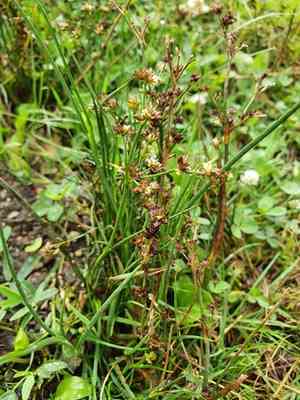
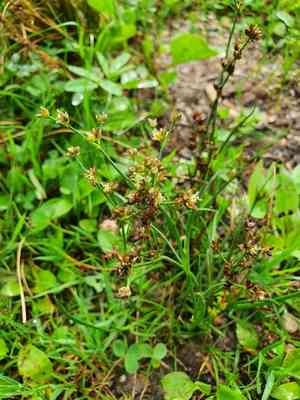
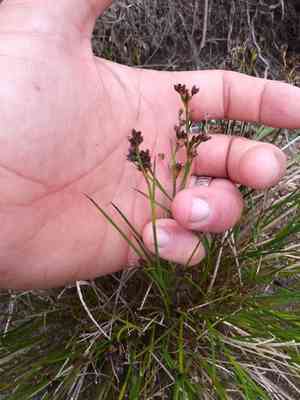
Images of Jointleaf rush
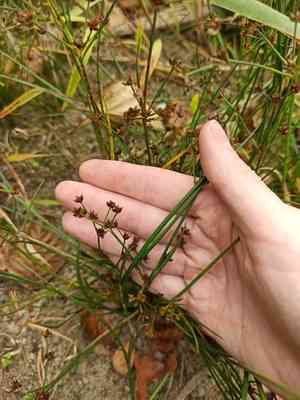
Quickly Identify Jointleaf rush
1
To identify Juncus articulatus, look for cylindrical, jointed stems that are hollow and segmented. The plant often has a tufted appearance, and its inflorescence is a loose cluster of small, brownish flowers.
Scientific Classification of Jointleaf rush
Phylum
Vascular plants
Class
Monocotyledons
Order
Poales
Family
Rush
Genus
Rushes
Species
Jointleaf rush
Planting and Growing of Jointleaf rush
Care Difficulty
Easy
Watering Schedule
Every 8 days
Sunlight Requirements
Full sun
Sunshine Duration
6-12 hours
Ideal Temperature
60-75℉
Soil Type
Potting Mix, Peat Mix
Soil pH
6.5-7.5
Fertilizer Type
Balanced
Pruning Season
Spring, Summer
Pruning Area
Branches, Leaves
Pruning Frequency
2 times a year
Repotting Season
Spring
Pot Type
Plastic, Terracotta
 How to Water Jointleaf rush?
Juncus articulatus thrives when its soil is kept consistently moist. Water approximately 200 ml at a time, ensuring that water penetrates deeply into the soil, reaching the root system, without causing waterlogging.
What are the symptoms of an underwatered Jointleaf rush?
›
What should I do if my Jointleaf rush is not getting enough water?
›
What are the symptoms of an overwatered Jointleaf rush?
›
How to save an overwatered Jointleaf rush?
›
 What Are the Sunlight Requirements for Jointleaf rush?
Juncus articulatus prefers full sun to partial sun conditions. Ideal light exposure ensures healthy photosynthesis, promoting robust growth and maintaining its vibrant green color.
More About Sunlight Requirements Techniques→
How much light does Juncus articulatus need?
›
What can I do to improve lighting conditions for Juncus articulatus?
›
Why is it important for Juncus articulatus to have ideal sunlight exposure?
›
 What Is the Ideal Temperature Range for Jointleaf rush?
Juncus articulatus thrives best between 60°F and 75°F, where it can efficiently perform photosynthesis and maintain optimal growth. At this range, the plant can properly absorb nutrients and sustain a healthy lifecycle, supporting both its structural growth and reproductive processes.
 What Soil is Best for Jointleaf rush?
Juncus articulatus thrives in soils that are consistently moist, as it mimics its natural wetland habitat. Keeping the soil moist allows the plant to absorb essential nutrients efficiently, leading to healthy growth and vibrant foliage. The plant favors soils that are rich in organic matter. This nutrient reservoir enables the plant to develop robust root systems, enhancing its ability to secure water and nutrients, which are crucial for its survival and growth. Good drainage is fundamental, as it prevents waterlogging, which can lead to root rot. Balanced drainage ensures that the plant receives ample water without suffocating the roots, allowing for steady growth.
 How to Fertilize Jointleaf rush?
The amount of fertilizer for Juncus articulatus should be modest, as this plant thrives in relatively nutrient-poor conditions. When using liquid fertilizer, dilute it to half the recommended strength to avoid overwhelming the plant. For slow-release fertilizers, use approximately 1 tablespoon per square foot of soil.
 How to Prune Jointleaf rush?
Begin by removing any dead or yellowing stems from your Juncus articulatus with a clean, sharp pair of scissors or pruning shears. Next, trim the plant to maintain its shape, ensuring to cut just above a node to encourage bushy growth. Be sure to prune the outer stems more frequently to prevent the center from becoming overcrowded.
More About Pruning Techniques→
 How to Propagate Jointleaf rush plant?
1
Prepare a seed mix with equal parts of garden soil, sand, and compost. This mix offers the necessary nutrients and drainage, providing an ideal environment for seed germination.
2
Sow the seeds thinly across the seed tray without burying them too deep. Cover lightly with sand or fine soil and keep the tray in a well-lit spot for optimal growth.
3
For division, carefully uproot the established plant, shaking off excess soil. Use gardening shears to separate the plant into sections, ensuring each section has intact roots for successful replanting.
 How to Repot Jointleaf rush plant?
1
You should consider repotting Juncus articulatus when you observe roots coming out of the drainage holes or when the growth seems stunted. These signs indicate that the plant has outgrown its current container. Additionally, if the soil composition has broken down excessively or becomes overly compact, it's time to give your plant a fresh environment.
2
Choose a pot that's slightly larger than the current one, as Juncus articulatus prefers to be snug but not cramped. A pot with good drainage holes is essential to prevent waterlogging, which can lead to root rot. The material of the pot, whether plastic, terracotta, or ceramic, should allow for breathability and efficient water management, supporting healthy root development.
3
Opt for moisture-retentive, loamy soil, which mirrors the plant's natural habitat. This type of soil retains moisture without becoming waterlogged and provides the necessary nutrients for healthy growth. Loamy soil also ensures good aeration, reducing the risk of compacted roots and encouraging efficient root expansion and nutrient uptake.
Learn More About Jointleaf rush Diseases
Anthracnose
Bacterial Leaf Spot
Bacterial Soft Rot
Damping-off
Downy Mildew
Drought Stress
Fusarium Wilt
Gray Mold
Leaf Spot
Mosaic
Nutrient Deficiency
Nutrient Toxicity
Powdery Mildew
Root Rot
Root-knot Nematode
Rusts
Sooty Mold
Spider Mites
Temperature Stress
Thrips Damage
White Mold
Chemical Injury



