How to Prune Jointleaf rush?
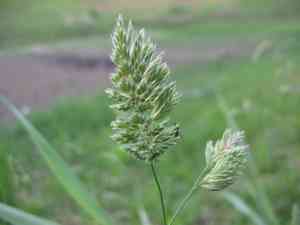
This enduring herbaceous plant flourishes in marshy environments, characterized by its elevated, narrow stalks. Efficient trimming of jointleaf rush entails excising deceased or compromised leaves, fostering development by reducing dense clusters. The optimal time for this maintenance is in early spring or during the winter, while the plant is inactive. Such trimming encourages more robust, energetic sprouts and can avert ailments by improving air movement within the groupings. Meticulous elimination of aged growth also contributes to preserving the plant's intended appearance and form.
What Are the Benefits of Pruning Jointleaf Rush?
What Are the Benefits of Pruning Jointleaf Rush?
Trimming jointleaf rush promotes robust development and helps maintain its desired shape. Regular cutting eliminates dead or weak shoots, fostering a strong structure and preventing excessive growth.
What Is the Best Time for Pruning Jointleaf Rush?
What Is the Best Time for Pruning Jointleaf Rush?
Pruning jointleaf rush in early spring or late winter is optimal as the plant is dormant, making it less prone to stress from trimming. During this period, without active growth, cuts are less likely to cause sap loss, which can attract pests and diseases. Furthermore, pruning before the new growth season can revitalize jointleaf rush for vigorous spring growth. It also allows gardeners to remove any dead or damaged foliage from the previous season, enhancing the plant's overall health and appearance. Additionally, since jointleaf rush is not in its flowering or fruiting cycle in early spring or late winter, pruning will not disrupt these crucial phases of its life.
What Tools Do I Need to Prune Jointleaf Rush?
Sharp Scissors
Given the relatively narrow, grass-like foliage of jointleaf rush, sharp scissors or hand shears are precise tools for making clean cuts without harming the delicate blades.
Hand Pruners
Hand pruners or secateurs are suitable for selectively cutting thicker or more fibrous stems of jointleaf rush. They provide precise control, essential for maintaining the plant's natural form.
Garden Gloves
Wearing gloves is crucial to protect hands from the rough edges of jointleaf rush's blades during pruning.
Small, Fine-Toothed Saw
For managing denser clumps or older growth, a small, fine-toothed saw can be useful for cutting through the thick base without causing excessive disturbance to the plant.
How to Prune Jointleaf Rush
Identify
Thoroughly inspect jointleaf rush for any indications of diseased or withered leaves, which typically appear discolored, spotted, or wilted.
Disinfect
Before starting to prune jointleaf rush, clean and sanitize pruning tools to prevent the spread of pathogens.
Trim diseased leaves
Carefully cut off diseased leaves of jointleaf rush at their base where they meet the stem or soil line, ensuring not to damage healthy tissue.
Trim withered leaves
Remove withered leaves from jointleaf rush by cutting them back to the base or the next healthy section, improving plant appearance and encouraging new growth.
Cleanup
Dispose of all removed material away from healthy jointleaf rush plants to avoid contamination and clear the trimmed areas for better air circulation.
Common Pruning Mistakes with Jointleaf Rush
Overpruning
Removing too much foliage at once can stress jointleaf rush, leading to stunted growth or increased susceptibility to disease.
Incorrect cutting technique
Using dull tools or making jagged cuts can injure jointleaf rush's stems, potentially causing disease or decay.
Pruning healthy growth
Unnecessarily cutting away healthy growth can impede the natural beauty and vigor of jointleaf rush.
Common Pruning Tips for Jointleaf Rush
Sanitized tools
Use sterilized pruning tools to prevent the spread of disease when trimming jointleaf rush.
Sharp instruments
Make clean cuts with sharp instruments to minimize damage to jointleaf rush's stems, promoting quicker healing.
Selective pruning
Carefully choose which stems to prune, focusing on dead or damaged growth to encourage a healthier jointleaf rush.
Maintaining shape
Prune jointleaf rush judiciously to maintain its natural shape and avoid a manicured appearance unless desired for a specific garden design.



