The Jointleaf rush Plant Advantage: Maximizing Home and Office Appeal and Wellness
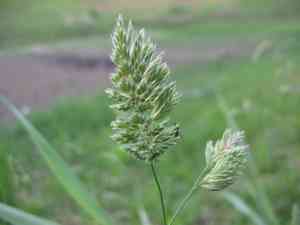
1
This plant variety excels at purifying water and securing soil.
2
It offers shelter and sustenance, benefiting native fauna.
3
Its distinctive look can elevate the beauty of any outdoor space.
What are the Environmental Advantages of Jointleaf rush?
Water Purification and Filtration
A key attribute of Jointleaf rush is its capacity to filter and cleanse water. Through its growth habits and root system, Jointleaf rush can effectively capture sediments, absorb contaminants, and lower nutrient levels like nitrogen and phosphorus in water bodies. This makes it an excellent option for natural water management systems such as wetlands, rain gardens, and bioswales.
Supporting Local Wildlife
Another environmental benefit of Jointleaf rush is its role in sustaining local fauna. Its structure provides vital habitats for various insect species, birds, and small mammals. The plant also offers a food source through its seeds and leaves, contributing to local biodiversity. This benefits not only ecosystems but also the overall health of the environment.
How Does Jointleaf rush Improve Soil Quality?
Soil Stabilization and Erosion Control
The root system of Jointleaf rush is particularly effective for stabilizing soil. It helps to anchor the soil, preventing erosion even in areas with heavy rainfall or water flow. This function is crucial for preserving the integrity of landscapes, especially in sites prone to soil degradation.
Enhancing Soil Structure
Jointleaf rush also contributes to improving soil structure. Its roots help to increase the porosity and aeration of the soil, which in turn enhances water infiltration and root penetration for other plants. This can lead to healthier and more productive soil, making it a valuable component of sustainable gardening practices.
Why is Jointleaf rush Ideal for Garden Aesthetics?
Distinctive Visual Appeal
Jointleaf rush offers a distinctive visual appeal that can enhance the aesthetics of any garden. Its slender, upright stems and vibrant green foliage provide a striking contrast to other plant species, adding depth and interest to garden designs. It can be used as a focal point in water features or as a complementary plant in mixed borders.
Versatility in Garden Design
The versatility of Jointleaf rush is another reason why it is an excellent choice for garden aesthetics. It can thrive in various conditions, including both wet and dry soils, and can be incorporated into a variety of garden styles, from formal to naturalistic. This adaptability makes it easy to introduce into any landscape, providing both functional and decorative benefits.
How to Grow and Care for Jointleaf rush?
Planting Requirements
To successfully cultivate Jointleaf rush, it is important to understand its preferred planting conditions. The plant thrives in moist environments and can tolerate temporary flooding, making it ideal for wetland areas or alongside water features. However, it is also quite adaptable and can grow in less saturated soils as long as there is adequate moisture.
Care Guidelines
Caring for Jointleaf rush is relatively low-effort. The plant is quite resilient and can withstand various environmental stresses. Regular pruning is advisable to prevent overgrowth and to maintain its aesthetic appeal. Additionally, monitoring for any signs of pests or diseases can help to ensure the plant remains healthy and vibrant throughout the growing season.



