How to Transplant Dwarf violet iris?
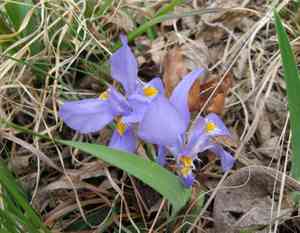
Select the revitalizing period of early spring for relocating dwarf violet iris, facilitating a seamless adjustment. Pick a location offering dappled light and soil that drains effectively to sustain the dwarf violet iris's vigor. A helpful suggestion: areas resembling their native forest environment are highly beneficial.
What Preparations are Needed Before Transplanting Dwarf Violet Iris?
What is the Ideal Time for Transplanting Dwarf Violet Iris?
The start of the vigorous growth period, just as winter's cold recedes, offers an optimal transplanting window for dwarf violet iris. Relocating dwarf violet iris to align with the robust generative phase of early spring promotes strong root development, ensuring dwarf violet iris flourishes in its new spot. A friendly reminder: choosing this time for transplanting allows dwarf violet iris to utilize the full growing season, setting the stage for abundant, healthy blooms.
How Much Space Should You Leave Between Dwarf Violet Iris Plants?
When moving your dwarf violet iris, allow each one ample room to thrive! A spacing of 1-2 feet (30-60 cm) is perfect. This will not only provide sufficient space for growth but also lessen competition for nutrients and water.
What is the Best Soil Mix for Dwarf Violet Iris Transplanting?
Prepare the ground with well-drained, humus-rich soil that is slightly acidic. Avoid heavy clay soils as they can hinder growth. Adding a general base fertilizer should be sufficient to nourish your dwarf violet iris.
Where Should You Relocate Your Dwarf Violet Iris?
Find a spot with full sun to partial shade. While dwarf violet iris isn't particular about sunlight, it does appreciate some sun, especially in the morning. Too much direct sunlight can cause leaf burn, however!
What Equipments Should You Prepare Before Transplantation Dwarf Violet Iris?
Gardening Gloves
To keep your hands clean and protected while digging and handling the dwarf violet iris plant and soil.
Shovel or Trowel
To excavate the dwarf violet iris from its current location and to create a new hole.
Watering Can or Hose
To moisten the soil before transplanting and to irrigate the dwarf violet iris regularly after relocation.
Garden Spade
To carefully lift the dwarf violet iris from its original position.
Wheelbarrow or Container
To move the dwarf violet iris from its initial spot to its new place in the ground.
How Do You Remove Dwarf Violet Iris from the Soil?
How Do You Remove Dwarf Violet Iris from the Soil?
From Ground: First, water the dwarf violet iris plant to soften the soil around its roots. Then, use a garden spade to dig a wide trench around the plant, ensuring the root ball remains intact. Gently work the spade under the root ball and carefully lift the plant from its original spot.From Pot: Initially, water the potted dwarf violet iris to loosen the root ball inside the pot. Tilt the pot sideways and gently tap the edges to ease the plant out. Avoid pulling the plant's stems as this may damage the roots.From Seedling Tray: Moisten the soil in the tray and carefully remove the dwarf violet iris seedling by holding it at the root level, not by the stem or leaves. Avoid disturbing nearby seedlings.
Step-by-Step Guide for Transplanting Dwarf Violet Iris
Preparation
Water the dwarf violet iris plant a few hours before transplanting. This helps to reduce the shock of relocation.
Digging a Hole
In the chosen spot, dig a hole that is twice as wide and the same depth as the dwarf violet iris's root ball.
Planting
Place the dwarf violet iris plant into the hole. Ensure the top of the root ball is level with the surrounding soil; adjust if needed.
Backfilling
Gently fill in the hole with soil, being careful not to bury the base of the dwarf violet iris plant.
Watering
Water the dwarf violet iris thoroughly after transplanting. Make sure the root zone is well saturated.
How Do You Care For Dwarf Violet Iris After Transplanting?
Watering
It's crucial to water the newly transplanted dwarf violet iris plant thoroughly and continue regular watering for the initial few weeks. This aids the plant in establishing strong roots in its new location.
Mulching
Applying a layer of mulch around the dwarf violet iris plant can improve moisture retention and inhibit weed growth.
Monitoring
Keep an eye on the dwarf violet iris after transplanting to ensure it doesn't show signs of transplant shock, such as wilting or yellowing leaves. If such symptoms appear, provide extra water and shade from intense sunlight until the plant recovers.
Troubleshooting Common Issues with Dwarf Violet Iris Transplantation.
When is the best time to transfer dwarf violet iris?
The optimal transplanting season for dwarf violet iris is during S1. This allows the plant to establish roots before extreme weather conditions begin.
What should be the ideal spacing between each dwarf violet iris while transplanting?
To allow for sufficient growth and spread, maintain a space of 1-2 feet (30-60 cm) between each dwarf violet iris when transplanting.
How deep should I plant dwarf violet iris during transplanting?
The transplant depth for dwarf violet iris should be similar to its previous growing location. Ensure the top of the root ball is level with the ground surface.
What's the best soil for transplanting dwarf violet iris?
Dwarf violet iris thrives in well-drained soil with a balanced pH. Enrich the soil with organic matter to promote growth.
Should I water dwarf violet iris after transplanting?
Yes! Water dwarf violet iris immediately after transplantation. This helps to settle the soil around the roots and reduces transplant shock.
Why are my recently transplanted dwarf violet iris wilting?
Wilting can occur due to transplant shock. Ensure the dwarf violet iris is adequately watered, and the roots are well-established. Reduce exposure to direct sunlight initially.
Does dwarf violet iris need fertilizing right after transplanting?
Not necessarily. Hold off on fertilizing until you see new growth, indicating successful transplantation. Then, apply a balanced fertilizer to support growth.
How can I help my dwarf violet iris recover from transplant shock?
Maintain consistent moisture, shield from extreme weather, and mulch around the plant to retain moisture. Patience is key; recovery may take a few weeks.
Can I transplant dwarf violet iris in a container or pot?
Absolutely! Ensure the pot has good drainage and is filled with well-drained soil. Remember to provide enough space for the roots to grow.
Do I need to prune dwarf violet iris during transplanting?
It's a good practice to prune back any dead or damaged parts on dwarf violet iris prior to transplanting. This helps the plant to focus energy on re-establishing its roots.



