The Dwarf violet iris Plant Advantage: Maximizing Home and Office Appeal and Wellness
1
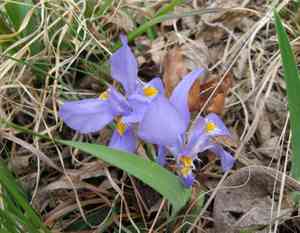
The dwarf violet iris is an easy-care plant, ideal for covering ground.
2
Its vivid flowers bring a burst of color during the early spring season.
3
Dwarf violet iris draws in pollinators, enhancing the garden's ecological balance.
Why Dwarf Violet Iris is an Excellent Option for Gardeners
Minimal Upkeep Requirements
Dwarf violet iris is known for needing little care, making it a great option for both new and experienced gardeners. It flourishes in well-draining soil and needs minimal watering once established. This ease of care lets gardeners enjoy its beauty without constant effort.
Visual Allure
The vivid blue-violet flowers of Dwarf violet iris appear in early spring, adding a burst of color to your garden. These blossoms often emerge in clusters, creating a stunning visual display. Furthermore, the plant grows to a modest height, making it ideal for borders and ground cover.
How Dwarf Violet Iris Benefits the Ecosystem
Attracting Pollinators
Dwarf violet iris plays a key role in drawing in pollinators like bees and butterflies. These insects are vital for the pollination of various plants, contributing to a healthy and diverse garden ecosystem. By planting Dwarf violet iris, you encourage the presence of these beneficial creatures.
Preventing Soil Erosion
The dense root system of Dwarf violet iris helps stabilize soil, thereby preventing erosion. This is especially useful in gardens on slopes or in areas prone to soil loss. The roots hold the soil together, reducing erosion risk and promoting soil health.
Practical Advice for Cultivating Dwarf Violet Iris in Your Garden
Optimal Planting Conditions
To ensure Dwarf violet iris thrives, plant it in an area receiving partial to full sun. The soil should be well-drained and slightly acidic to neutral. If planting multiple Dwarf violet iris, space them about 12 inches apart for proper growth and air circulation.
Seasonal Care
While Dwarf violet iris requires relatively little maintenance, some seasonal care can boost its growth. Mulching around the base helps retain moisture and regulate soil temperature. Additionally, removing spent blooms can encourage a more abundant flowering season.
Common Pests and Diseases Affecting Dwarf Violet Iris
Deer and Rabbit Resistance
One advantage of growing Dwarf violet iris is its resistance to deer and rabbits. These animals typically avoid the plant, making it a safe choice for gardens in areas prone to wildlife.
Fungal Issues
While Dwarf violet iris is quite robust, it can be vulnerable to fungal infections if overwatered or planted in poorly drained soil. Ensuring proper spacing and adequate drainage can lessen these problems. For fungal issues, use fungicides as advised by horticultural experts.
Integrating Dwarf Violet Iris into Your Garden Design
Companion Planting
Dwarf violet iris pairs well with other early spring bloomers such as daffodils and tulips. Its low-growing nature complements taller plants, adding layers of interest to your garden. Consider planting it alongside perennials that flower later in the season for extended visual appeal.
Use in Landscape Design
Dwarf violet iris is adaptable and can be used in various garden settings, including rock gardens, woodland gardens, and borders. Its ability to thrive in different conditions makes it a flexible choice for diverse landscape designs. Its vibrant blooms and hardy nature ensure it remains a garden favorite for years.



