How to Prune Dwarf violet iris?
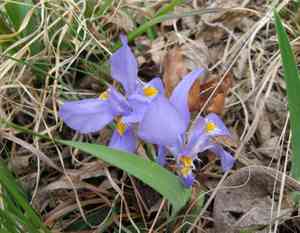
This indigenous perennial showcases vivid, purple blossoms and flourishes in adequately drained earth. Essential trimming methods for dwarf violet iris entail removing faded flowers promptly post-bloom to foster a neat look and possibly stimulate a subsequent flowering. The most effective time for pruning is in late spring or early summer, coinciding with its blooming period. Consistent trimming sustains the plant's health and strength, improving its aesthetic quality and averting excessive density. Deliberate cutting back can also encourage vigorous development for the subsequent year.
What Are the Benefits of Pruning Dwarf Violet Iris?
What Are the Benefits of Pruning Dwarf Violet Iris?
Trimming dwarf violet iris promotes robust development and maintains its dense, appealing form. Regular cutting eliminates dead or weak leaves, improving plant vitality and aesthetic appeal.
What Is the Best Time for Pruning Dwarf Violet Iris?
What Is the Best Time for Pruning Dwarf Violet Iris?
Pruning dwarf violet iris in spring is advantageous as it coincides with the start of the plantâs active growth period, typically after the last frost. This timing fosters vigorous new growth and allows the plant to recover quickly from any cuts made during pruning. Additionally, spring pruning aids in shaping the plant and managing its size before the peak growth season. Summer pruning, ideally performed early in the season, can be useful for removing any faded flowers or dead foliage, which not only improves the appearance of dwarf violet iris but also prevents disease and encourages further blooming. It is important not to prune late in the summer as it can result in new growths that might not harden off before winter, making the plant vulnerable to damage.
What Tools Do I Need to Prune Dwarf Violet Iris?
Hand Pruners
Perfect for making precise cuts on the slender stems of dwarf violet iris, ensuring minimal harm to the plant during trimming.
Garden Scissors
Suitable for trimming and shaping the delicate foliage of dwarf violet iris, allowing for more meticulous control compared to larger shears.
Pruning Snips
Effective for deadheading and removing spent blooms from dwarf violet iris, which promotes healthier growth and flowering in the next season.
How to Prune Dwarf Violet Iris
Inspect
Examine dwarf violet iris closely to identify and mark the diseased and withered leaves along with any diseased stems. Use a tag or a gentle tie to mark these for removal, ensuring not to damage healthy parts.
Sanitize
Before beginning the trimming process, sanitize pruning shears or scissors with alcohol or a 10% bleach solution to prevent the spread of disease.
Cut leaves
Carefully cut the marked diseased and withered leaves at the base where they meet the stem. Make a clean cut close to the stem to prevent unnecessary stubs that could harbor pests or diseases.
Cut stems
Prune diseased stems by cutting them back to a healthy section, identifiable by green, vigorous growth. If no healthy section is apparent, remove the entire stem at its base, cutting just above the point where it emerges from the ground.
Cleanup
Dispose of all removed plant material promptly and safely to prevent any disease from spreading in the garden. Do not compost diseased material.
Common Pruning Mistakes with Dwarf Violet Iris
Overpruning
Removing too much foliage from dwarf violet iris can significantly hinder its ability to conduct photosynthesis, vital for its growth and bloom production. This is a frequent mistake, especially when trying to shape the plant or remove unsightly parts.
Improper tool use
Using dull or dirty pruning tools can damage the delicate stems of dwarf violet iris, leading to jagged cuts that may invite pests and diseases. It's crucial to use clean, sharp scissors or shears.
Pruning healthy leaves
In the zeal to tidy up the plant, there's a tendency to remove healthy, vibrant leaves along with the dead or diseased ones. This mistake can weaken dwarf violet iris overall.
Common Pruning Tips for Dwarf Violet Iris
Selective removal
Focus on removing only the dead, diseased, or damaged foliage to prevent weakening dwarf violet iris. This approach encourages healthier growth and enhances the plant's natural shape.
Post-flowering pruning
After dwarf violet iris has finished blooming, lightly prune to remove spent flowers. This helps prevent the plant from diverting energy into seed production and instead allows it to focus on root and foliage development.
Sterilize tools
Before and after pruning dwarf violet iris, sterilize your pruning tools with alcohol or a bleach solution to prevent the spread of disease. This is beneficial for maintaining plant health and vigor.



