How to Transplant Irish fleabane?
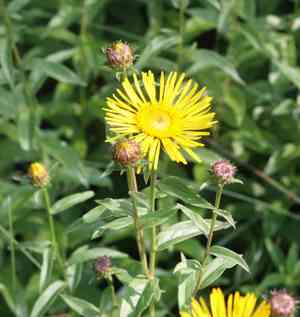
Relocate irish fleabane during mid-spring, when its development is robust, ensuring placement in areas with ample sunlight and good drainage. A soft touch after transplantation fosters strong development.
What Preparations are Needed Before Transplanting Irish Fleabane?
What is the Ideal Time for Transplanting Irish Fleabane?
The best period for moving irish fleabane is in the mild warmth of mid to late spring. This timing allows irish fleabane to establish itself under optimal growth conditions, ensuring stronger rooting. The typically stable weather and increasing daylight during this phase encourage robust root development. Additionally, moderate temperatures provide a nurturing environment for growth without the stress of summer heat. A helpful tip â give irish fleabane this prime opportunity to thrive, and you'll be rewarded with abundant growth.
How Much Space Should You Leave Between Irish Fleabane Plants?
To allow your irish fleabanees to flourish, ensure adequate spacing! Aim to position them approximately 18-24 inches (45-60 cm) apart. This provides ample room for growth and promotes good air circulation, which helps prevent common plant diseases.
What is the Best Soil Mix for Irish Fleabane Transplanting?
For your irish fleabanees to prosper, they will appreciate well-draining soil enriched with some organic matter. Prior to planting, amend the soil with a balanced, slow-release fertilizer to give your irish fleabanees a head start. Remember, healthy soil leads to thriving plants!
Where Should You Relocate Your Irish Fleabane?
Your irish fleabanees will flourish in a sunny spot that receives at least 6 hours of direct sunlight daily. Select a location where they can absorb ample rays, but also benefit from partial afternoon shade if you reside in an area with very hot summers.
What Equipments Should You Prepare Before Transplantation Irish Fleabane?
Gardening Gloves
To safeguard your hands while handling soil and plants.
Spade or Shovel
For carefully excavating the plant without harming its root ball.
Garden Trowel
Used for precise digging and moving small quantities of soil.
Watering Can or Hose
To hydrate the plant before removal and after replanting.
Pruning Shears
For trimming any dead or excess growth prior to transplanting.
Wheelbarrow
To transport the irish fleabane and soil if needed.
Mulch
To aid in retaining moisture around the new planting site.
Measuring Tape
To ensure correct spacing between plants during transplantation.
How Do You Remove Irish Fleabane from the Soil?
How Do You Remove Irish Fleabane from the Soil?
From Ground: First, water the irish fleabane plant to moisten the soil, making excavation easier and less stressful for the plant. Using a spade or shovel, dig a wide trench around the plant, being careful not to cut through the root system. Then use the garden trowel for more precise loosening of soil and finally lift the plant out by firmly grasping the base of the stems.From Pot: Begin by watering the irish fleabane plant to facilitate the root ball's removal from the pot. Tilt the pot sideways and gently tap the bottom to dislodge the plant. Use your hands to support the plant as it slides out, taking care not to pull on the stems or leaves.From Seedling Tray: Water the seedling tray beforehand to allow the roots to slide out easily. Use the garden trowel or a small stick to gently lift the irish fleabane plant from its individual cell, ensuring you hold it by the leaves rather than the more delicate stem.
Step-by-Step Guide for Transplanting Irish Fleabane
Preparation
Prepare the new planting location by clearing away weeds and debris. Moisten the soil to ready it for the incoming irish fleabane root ball.
Excavation
Dig a hole in the ground that is twice as wide and equally as deep as the root ball of the irish fleabane.
Transplant
Gently place the irish fleabane into the hole, ensuring the top of the root ball is level with the surrounding soil.
Filling
Backfill the hole with soil, lightly compacting it to remove air pockets. Water thoroughly to settle the soil around the roots.
Mulching
Apply a layer of mulch around the base of the irish fleabane, avoiding direct contact with the stems, to help retain moisture and suppress weed growth.
Supports
If the plant is tall and susceptible to wind damage, insert supports at this stage and gently tie the plant to them.
How Do You Care For Irish Fleabane After Transplanting?
Initial Watering
Water the irish fleabane generously immediately after transplanting to help reduce shock and settle the soil.
Subsequent Watering
Maintain a consistent watering schedule to keep the soil uniformly moist, adjusting based on weather conditions.
Pruning
Trim any dead or damaged foliage to encourage new growth and prevent disease.
Support
Regularly check the supports and adjust them as the irish fleabane grows to prevent constriction and promote strong development.
Observation
Monitor the irish fleabane for signs of transplant shock, such as wilting or discolored leaves, and take appropriate action if necessary.
Troubleshooting Common Issues with Irish Fleabane Transplantation.
When's the best time to transplant irish fleabane?
The ideal time to transplant irish fleabane is during late spring or just before summer, allowing it to settle before the heat.
How far apart should I space irish fleabane during transplanting?
Space irish fleabane approximately 18-24 inches (45-60 cm) apart. This provides ample room for growth and airflow.
What should I do if irish fleabane's leaves wilt after transplanting?
Ensure irish fleabane is adequately watered and shielded from intense sunlight. A temporary wilt is normal as it adjusts.
Why is my irish fleabane not flowering after being transplanted?
It's common for irish fleabane to skip a bloom cycle as it establishes. Consistent care and patience are essential.
How do I choose the best soil for transplanting irish fleabane?
Select well-drained soil rich in organic matter. Good soil promotes healthy root development for irish fleabane.
Can irish fleabane be transplanted during the fall?
Transplanting irish fleabane during fall may risk frost damage. Adhere to the recommended spring period for optimal results.
My irish fleabane looks droopy after transplanting, is this normal?
Some droopiness is normal as irish fleabane adapts. Keep the soil moist, and it should recover over time.
How deep should the hole be for transplanting irish fleabane?
Dig a hole as deep as the root ball and twice as wide for irish fleabane to grow properly.
What's the sign that irish fleabane has rooted well post-transplant?
New foliage growth is a good indicator that irish fleabane has established roots in its new location.
How should I handle the roots of irish fleabane when transplanting?
Handle irish fleabane's roots gently. Loosen the root ball slightly, but avoid significant damage to encourage regrowth.



