How to Prune Irish fleabane?
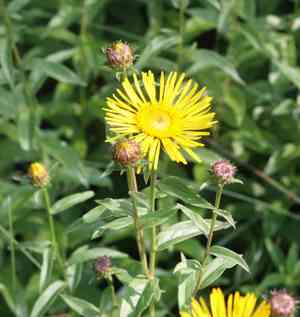
This enduring herbaceous plant, recognized by its slender foliage and golden, daisy-like blossoms, flourishes with appropriate trimming. For irish fleabane, trimming ought to be performed in late spring to foster a denser growth habit and avert an elongated appearance. Removing spent blooms during the summer months encourages ongoing flowering. Trimming immediately following the initial bloom can stimulate a subsequent flowering period and sustain the plant's vitality. Consistent elimination of faded flowers and any compromised or ailing leaves aids in averting decomposition and pest problems, guaranteeing a robust, appealing presentation.
What Are the Benefits of Pruning Irish Fleabane?
What Are the Benefits of Pruning Irish Fleabane?
Trimming irish fleabane encourages robust development and helps maintain its desired form. This practice fosters the growth of strong, healthy stems and foliage by eliminating spent or weak parts, thereby enhancing its overall vigor and aesthetic appeal.
What Is the Best Time for Pruning Irish Fleabane?
What Is the Best Time for Pruning Irish Fleabane?
Late spring and early summer are optimal for pruning irish fleabane, as this period immediately follows its main blooming season. This timing allows gardeners to shape the plant and encourage healthy growth without significantly impacting its flowering. Pruning in late spring helps remove any winter frost damage and shapes the plant for new development. Early summer pruning is useful for cutting back excessive early growth or correcting the plant's form. It's important to avoid pruning irish fleabane in late summer or fall, as this can stimulate new growth that may not have enough time to harden before cold winter temperatures arrive.
What Tools Do I Need to Prune Irish Fleabane?
Bypass Pruners
Perfect for making clean, precise cuts on irish fleabane's herbaceous stems. Bypass pruners operate like scissors, with two blades that slide past each other, minimizing tissue damage and promoting quicker healing.
Garden Scissors
Suitable for snipping off faded flowers and trimming small, delicate stems of irish fleabane. Garden scissors offer precision for deadheading and shaping without causing unnecessary stress to the plant.
Pruning Shears
Useful for thicker or woodier stems that irish fleabane might develop as it matures. Pruning shears are more robust and can handle stems up to several centimeters in thickness.
Gloves
Though not a cutting tool, gloves are crucial for protecting the gardener's hands from scratches and ensuring a secure grip on tools while working with irish fleabane.
How to Prune Irish Fleabane
Disinfect tools
Before beginning the pruning process, ensure all pruning tools are clean and disinfected to prevent the spread of disease to irish fleabane.
Remove diseased leaves
Carefully inspect irish fleabane for any diseased leaves. Using sharp pruning shears, snip off the affected leaves at their base, being careful not to tear or damage surrounding healthy tissue.
Remove withered leaves
Identify any withered or dead leaves on irish fleabane. Gently remove these leaves by hand if they detach easily, or use shears to cut them at the stem's base to encourage healthy growth and air circulation.
Cut diseased stems
Examine irish fleabane for any stems showing signs of disease. Using a clean, sharp pair of garden shears, cut these stems back to healthy tissue, making the cut at an angle to facilitate water runoff and prevent disease re-entry.
Clean up
After pruning irish fleabane, remove all diseased, withered leaves, and stem cuttings from the area to prevent potential reinfection or disease spread. Dispose of these cuttings away from the garden or compost pile.
Common Pruning Mistakes with Irish Fleabane
Overpruning
Removing too much of irish fleabane's foliage or stems can stress the plant, making it susceptible to pests and diseases or potentially reducing its vigor and flower production.
Blunt instruments
Using dull or unsanitized tools can crush stems and create jagged cuts that are difficult for irish fleabane to heal, increasing the risk of infections and disease.
Stripping interior
Removing too many leaves from the interior of irish fleabane's growth can diminish its photosynthetic capacity, impacting overall health and bloom quality.
Improper cut location
Cutting too far from a bud or node, or too close, can either leave a dead stub that invites disease or damage the potential new growth site.
Ignoring dead or diseased growth
Failing to remove dead or unhealthy stems and leaves prevents irish fleabane from directing energy towards healthy growth and can promote the spread of diseases.
Common Pruning Tips for Irish Fleabane
Sharpened tools
Always use sharp, clean pruning shears to make clean cuts that irish fleabane can heal more easily, reducing stress and disease risk.
Disease prevention
Regularly disinfect pruning tools between cuts, especially when dealing with diseased growth, to prevent spreading pathogens to healthy parts of irish fleabane.
Selective pruning
Prune selectively to shape irish fleabane and promote air circulation within its foliage, as good airflow can mitigate fungal diseases common in dense growth.
Prune to a bud
Cut stems back to a set of leaves or an outward-facing bud to stimulate irish fleabane to produce new healthy growth in a direction that promotes an attractive plant shape.
Moderation is key
Prune with moderation, removing only what is necessary—typically dead, damaged, or diseased stems and leaves—to maintain irish fleabane's health without causing undue stress.
Consistent maintenance
Perform light and consistent maintenance pruning on irish fleabane rather than severe annual cutbacks, which can lead to a cycle of weak growth and diminished flowering.



