How Much Sunlight Do Irish fleabane Need?
1
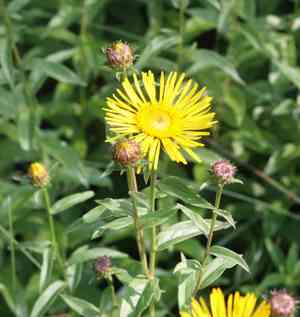
Irish fleabane flourishes with more than six hours of direct sun each day.
2
While partial shade is acceptable for Irish fleabane, full sun promotes peak development.
3
Monitor for scorched leaves during periods of strong summer heat.
The Importance of Light for Irish Fleabane
Photosynthesis and Development
Light is crucial for photosynthesis, enabling Irish fleabane to convert light into vital energy for its development. This energy is essential for robust stems and abundant blooms. Without adequate light, your plant may show stunted growth and dull foliage.
Nutrient Uptake
Beyond photosynthesis, light also assists in nutrient absorption. With proper illumination, Irish fleabane can more effectively take up nutrients from the soil, leading to a stronger, more disease-resistant plant. Sufficient light exposure ensures your plant fully benefits from fertilizers and natural soil nutrients.
Irish Fleabane's Light Requirements
Optimal Light Duration
Irish fleabane thrives with over 6 hours of direct sunlight daily. This is commonly known as 'full sun' conditions. The plant achieves its best growth when it receives ample light to power the photosynthesis process that generates its needed energy.
Full Sun vs. Partial Shade Explained
While Irish fleabane can endure partial shade, it flourishes best in full sun. Full sun means the plant gets uninterrupted sunlight for at least 6 hours each day. In partial shade, the plant might receive intermittent or filtered light through tree canopies, which can be sufficient but may not yield the same vigorous growth.
Best Practices for Lighting Irish Fleabane
Choosing an Appropriate Spot
Selecting the correct garden location is vital for ensuring your Irish fleabane gets enough sunlight. Pick a spot that receives direct sunlight for most of the day, especially in the morning and early afternoon. Avoid areas heavily shaded by structures or other large plants.
Supplemental Lighting Options
If cultivating Irish fleabane indoors or in a low-light region, consider using artificial lighting. Full-spectrum grow lights can replace natural sunlight, providing the necessary wavelengths to support photosynthesis and growth. Position lights approximately 30-45 cm (12-18 inches) above plants and operate them for about 12-16 hours daily to mimic natural conditions.
Common Light-Related Issues for Irish Fleabane
Signs of Excessive Light
Too much sunlight can cause your Irish fleabane to display leaf scorch, where leaves become burned or yellow. Extended exposure to intense sunlight, particularly during peak summer, can stress the plant and hinder its growth.
Signs of Insufficient Light
Inadequate sunlight will cause Irish fleabane to become leggy, with elongated stems and sparse leaves as it stretches for light. Leaves may also appear pale, and the plant might produce fewer flowers, impacting its overall appearance and health.
Remedial Actions
Adjusting the plant's position can help resolve light-related issues. If too much sunlight is a problem, consider providing some shade during the hottest part of the day using garden fabric or by moving nearby potted plants. For insufficient sunlight, relocate the plant to a brighter spot or supplement with artificial lighting to ensure it receives enough light.
Seasonal Light Considerations for Irish Fleabane
Winter Light Requirements
During winter, Irish fleabane may struggle with reduced daylight hours. Placing the plant in the brightest, south-facing window can help maximize its light exposure. Alternatively, using grow lights can ensure the plant receives consistent light even during shorter days.
Summer Light Requirements
In summer, intense sunlight might necessitate providing some protection for your Irish fleabane. Ensure it gets ample morning sun but consider some afternoon shade to prevent heat stress. Mulching around the base can also help maintain soil moisture during hot, sunny days.



