How to Transplant Egyptian doum palm?
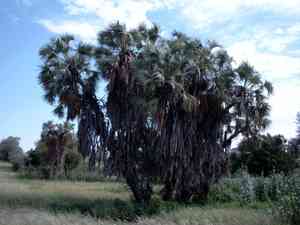
The ideal time to transplant egyptian doum palm is from the warmth of late spring to mid-summer, allowing its root system to become established prior to colder weather. Choose locations that receive ample sunlight and drain effectively, then carefully transfer egyptian doum palm to its new spot for best development.
What Preparations are Needed Before Transplanting Egyptian Doum Palm?
What is the Ideal Time for Transplanting Egyptian Doum Palm?
The best period to relocate egyptian doum palm is during the pleasant warmth of late spring extending through mid-summer. This timeframe offers sufficient heat and an extended growing season, crucial for egyptian doum palm to recover and firmly establish its root system. By moving it within this window, you utilize peak natural growth conditions, ensuring egyptian doum palm flourishes and displays its magnificent form.
How Much Space Should You Leave Between Egyptian Doum Palm Plants?
Greetings! When preparing to move your egyptian doum palm, ensure it has ample room to thrive. Aim to space them approximately 6-8 meters (about 20-26 feet) apart. This provides your egyptian doum palms sufficient area to reach their full size without competing for nutrients or sunlight.
What is the Best Soil Mix for Egyptian Doum Palm Transplanting?
For your egyptian doum palms to prosper, it's vital to prepare a well-draining soil rich in nutrients. A sandy loam is perfect. Before planting, incorporate some compost or a balanced, slow-release fertilizer to give your egyptian doum palm a nourishing start. Proper soil preparation makes a significant difference!
Where Should You Relocate Your Egyptian Doum Palm?
Your egyptian doum palm loves sunlight - the more, the better! Select a location where it can absorb full sun throughout the day. This typically means a south-facing spot if you're in the Northern Hemisphere, allowing your egyptian doum palm to bask in those rays and grow happily.
What Equipments Should You Prepare Before Transplantation Egyptian Doum Palm?
Gardening Gloves
To safeguard your hands while handling soil and the plant.
Shovel or Spade
For excavating the egyptian doum palm's root ball and preparing the new planting site.
Hand Trowel
Useful for more precise digging or when moving smaller specimens.
Watering Can or Hose
To hydrate the egyptian doum palm before and after relocation.
Wheelbarrow
To transport the egyptian doum palm and soil if needed.
Pruning Shears
To trim any damaged roots or leaves prior to transplanting.
Root Pruning Saw
For larger roots that might require cutting during the transplant process.
How Do You Remove Egyptian Doum Palm from the Soil?
How Do You Remove Egyptian Doum Palm from the Soil?
From Ground: First, moisten the egyptian doum palm plant to soften the soil, making it easier to manage. Carefully dig a wide circle around the plant, extending beyond where you estimate the root system reaches. Gently work the shovel or spade around and beneath the root ball to free it from the surrounding earth without harming the roots.From Pot: Water the egyptian doum palm to dampen the root ball. Turn the container on its side and gently tap the sides and bottom to loosen the soil. Gradually ease the plant out by the base of the main stem, taking care not to pull on the stem itself.From Seedling Tray: Moisten the soil in the tray to minimize root disturbance. Use a hand trowel or similar tool to carefully lift the seedling of egyptian doum palm by the root ball, avoiding any significant damage to roots or stems.
Step-by-Step Guide for Transplanting Egyptian Doum Palm
Prepare the New Planting Hole
Excavate a hole in the ground that is twice the width of the egyptian doum palm's root ball but no deeper. This extra space allows the roots to spread out more easily in their new environment.
Root Ball Preparation
Before relocating egyptian doum palm, gently trim away any dead or broken roots to encourage healthy growth.
Positioning the Plant
Place the egyptian doum palm's root ball into the center of the new hole, ensuring it is planted at the same depth it was growing previously.
Refilling the Hole
Gently backfill the planting hole with soil. While filling, frequently pause to lightly compact the soil to eliminate any air pockets which can dry out roots.
Watering
Thoroughly water the egyptian doum palm after planting to settle the soil and provide hydration for the roots.
Stabilizing
If the egyptian doum palm is tall or top-heavy, support it with stakes placed on opposite sides of the plant. Tie the plant to the stakes loosely with soft material.
How Do You Care For Egyptian Doum Palm After Transplanting?
Mulching
Apply a layer of mulch around the base of egyptian doum palm to help retain moisture, regulate soil temperature, and reduce weed competition. Do not let the mulch touch the plantâs trunk as it may encourage pests or diseases.
Staking
For larger egyptian doum palm, check the stakes regularly to ensure they are secure and that the ties are not too tight, adjusting as the plant grows.
Watering
Provide egyptian doum palm with consistent watering to keep the soil uniformly moist, especially during dry periods. Monitor soil moisture to ensure it is not waterlogged and adjust watering accordingly.
Monitoring Plant Health
Keep an eye out for signs of transplant shock, which may include wilting leaves or discolored foliage. If these occur, ensure that egyptian doum palm has the right growing conditions and care.
Troubleshooting Common Issues with Egyptian Doum Palm Transplantation.
Why is my newly transplanted egyptian doum palm wilting?
Wilting after transplanting could indicate shock or dehydration. Ensure you water your egyptian doum palm sufficiently and shield it from strong winds or intense sunlight initially.
When's the best time to transplant egyptian doum palm?
Optimal transplanting occurs during the warmer months, from late spring through mid-summer, when growth is most active.
How far apart should I space my egyptian doum palm plants?
Space your egyptian doum palm plants 6-8 meters apart (about 20-26 feet) to provide ample room for growth and air circulation.
What's the correct depth for transplanting egyptian doum palm?
Dig a hole as deep as the root ball and twice as wide to give roots room to establish without strain.
Should I amend the soil when transplanting egyptian doum palm?
Yes, mix in well-rotted compost or a balanced slow-release fertilizer to enrich the soil and promote healthy growth.
Can I transplant egyptian doum palm in hot weather?
Transplanting in extreme heat can stress plants. Aim for a mild day and water thoroughly after transplanting to reduce stress.
Why does my egyptian doum palm show brown leaf tips after transplanting?
Brown leaf tips may indicate root damage during transplanting or from over-fertilizing. Trim the damaged tips and ensure gentle handling in the future.
How do I water egyptian doum palm after transplanting?
Water deeply until the soil is moist but not soggy. This would encourage the roots to grow downward. Check soil moisture regularly.
Can I prune egyptian doum palm during transplanting?
Light pruning can be beneficial; remove damaged or dead fronds to focus the plant's energy on root establishment rather than foliage.
What should I do if the egyptian doum palm isnât growing after transplanting?
Be patient; after transplant shock, it may take some time for egyptian doum palm to establish and show new growth. Continue proper watering and care practices.



