How Much Sunlight Do Egyptian doum palm Need?
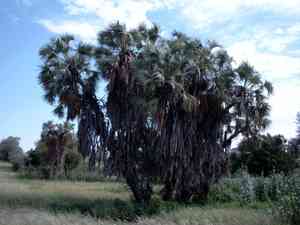
1
Egyptian doum palms flourish optimally in spots receiving over 6 hours of direct sun each day.
2
Using reflective ground cover can boost sun exposure for Egyptian doum palms, particularly in partly shaded areas.
3
This palm might experience sun damage if subjected to intense summer sun without prior adaptation.
Optimal Light Conditions for Egyptian doum palm
Full Sun Requirement
The Egyptian doum palm is a heliophilic species that flourishes in direct sunlight. This means it performs optimally when exposed to continuous, unobstructed sunlight for most of the day. Ideally, the tree should be situated in an open area, free from shade cast by structures or other large trees. Full sun conditions promote robust growth and maintain the palm's vitality. Without sufficient sun exposure, it may become weak and prone to ailments.
Minimum Daily Sunlight Hours
For peak development, the Egyptian doum palm needs a minimum of six to eight hours of direct sunlight daily. This ensures the plant can efficiently perform photosynthesis, which is vital for its growth and maturation. Insufficient sunlight can lead to stunted development and other health problems. Therefore, providing ample sunlight is crucial, especially in regions where daylight hours fluctuate more significantly across seasons.
Seasonal Sunlight Variations
While the Egyptian doum palm can endure varying sunlight conditions throughout the year, the intensity and duration of light are critical factors. During summer, the sun is at its strongest, and longer daylight periods can greatly benefit the palm. However, caution against sunburn is also important. In winter months, when sunlight may be less intense, ensuring the palm still receives the maximum possible light is key to maintaining its health. Adjusting its position, if containerized, can help manage seasonal light changes effectively.
Why Light is Essential for Egyptian doum palm
Photosynthesis Process
Sunlight is fundamental for photosynthesis, the process by which the Egyptian doum palm converts light energy into chemical energy. This process allows the plant to produce the nourishment it needs to grow and sustain itself. Without adequate sunlight, photosynthesis slows, resulting in weaker plants more susceptible to pests and diseases.
Growth and Development
The growth and development of the Egyptian doum palm are directly influenced by the amount of sunlight it receives. Sufficient sunlight supports strong, healthy growth, helping the palm develop vibrant green foliage and steady trunk expansion. Poor light conditions can lead to weak, elongated growth and pale leaves.
Flowering and Fruit Production
Sunlight also plays a crucial role in the flowering and fruiting process of the Egyptian doum palm. Adequate light exposure aids in the formation of flowers and fruits, which are central to the plant's reproductive cycle. Enhanced sunlight conditions often result in a more prolific bloom and fruiting season, with larger and more abundant fruits.
How to Ensure Sufficient Light for Egyptian doum palm
Optimal Planting Locations
To ensure your Egyptian doum palm receives adequate sunlight, select an optimal planting site. Ideally, this location should be free from shade cast by structures or taller vegetation. If growing in a pot, positioning it in a south-facing direction can provide ample sunlight exposure throughout the day. The aim is to maximize the amount of direct sunlight reaching the plant.
Using Reflective Mulch
In areas where sunlight exposure might be less than ideal, employing reflective mulch can be advantageous. Reflective mulch helps by bouncing additional light onto the plant, boosting overall sunlight exposure. This can be particularly useful in partially shaded garden areas, ensuring the Egyptian doum palm gets the light it needs for optimal growth.
Pruning for Better Light Penetration
Regular pruning can help your Egyptian doum palm receive more sunlight by ensuring all parts of the plant have improved light access. Removing any overcrowded or dead fronds can allow sunlight to penetrate deeper into the plant. This not only enhances photosynthesis but also improves air circulation, reducing the risk of disease.
Common Light-Related Issues for Egyptian doum palm
Symptoms of Insufficient Sunlight
Indicators that your Egyptian doum palm is not getting enough sunlight can include slow growth, yellowing leaves, and a thin, spindly appearance. Without sufficient light, the palm cannot perform photosynthesis effectively, leading to these visible symptoms. If you observe these issues, consider relocating the plant to a sunnier spot.
Dealing with Excessive Sun Exposure
While the Egyptian doum palm thrives in full sun, too much exposure during extremely hot periods, especially without gradual acclimatization, can cause stress. Symptoms of excessive sun exposure include scorched leaves and wilting. If this occurs, providing some temporary shade or moving the plant to a slightly less intense sun area can help alleviate the stress.
Preventing Sunburn
Sunburn is a common problem when Egyptian doum palms are suddenly exposed to intense sunlight. To prevent sunburn, particularly during peak summer months, ensure a gradual acclimatization period. Begin by exposing the palm to morning sun and progressively increase the duration. This helps the plant build tolerance to stronger sunlight over time.
Frequently Asked Questions About Egyptian doum palm Light Needs
Can Egyptian doum palm Grow in Partial Shade?
While the Egyptian doum palm prefers full sun, it can tolerate partial shade. However, growth may be slower, and the plant might not flourish as vigorously as it would in full sun conditions. If you must grow it in partial shade, ensure it still receives at least six hours of direct sunlight to maintain healthy growth.
How to Revive a Sun-Stressed Egyptian doum palm?
If your Egyptian doum palm is sun-stressed, the initial step is to move it to a slightly shadier location or provide temporary shade. Ensure it receives adequate water as stress often accompanies dehydration. Gradually reintroduce the plant to full sun exposure in small increments over several days to prevent further stress.
Do Indoor Egyptian doum palms Require Grow Lights?
For indoor Egyptian doum palms, utilizing grow lights can be beneficial, especially in rooms with insufficient natural light. Grow lights that mimic the full spectrum of sunlight can help maintain the health and growth of your palm. Position the grow lights to offer at least six hours of light daily.



