How to Prune Egyptian doum palm?
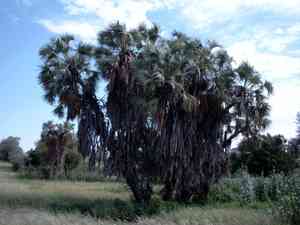
For the Egyptian doum palm, a unique palm featuring robust, fan-like leaves, trimming is optimally performed from late winter through early spring. Eliminate any withered or compromised fronds, along with any overripe fruit bunches, to deter fungal development and foster vigorous new growth. Maintaining an unobstructed trunk area can improve air movement. Pruning boosts the palm's visual appeal and mitigates risks from falling plant matter. Employ sanitized, keen implements for accurate cuts to avert harm.
What Are the Benefits of Pruning Egyptian Doum Palm?
What Are the Benefits of Pruning Egyptian Doum Palm?
Trimming egyptian doum palm promotes robust development and maintains its desired form. It ensures optimal nutrient distribution, which can lead to the plant's strong health and longevity.
What Is the Best Time for Pruning Egyptian Doum Palm?
What Is the Best Time for Pruning Egyptian Doum Palm?
Late winter and early spring are ideal for pruning egyptian doum palm as these periods precede its growth cycle, when sap flow and active development are minimal. Pruning during these seasons reduces stress on egyptian doum palm and allows pruning wounds to heal quickly as the growth cycle begins. This timing also avoids removing potential flower or fruit buds that develop later, thus protecting egyptian doum palm's productivity. Additionally, the dormancy of pests and diseases during these times lowers the risk of infection at pruning sites.
What Tools Do I Need to Prune Egyptian Doum Palm?
Pole Saws
Given the height of egyptian doum palm, pole saws are crucial for reaching and safely cutting elevated branches without needing ladders or climbing.
Loppers
Loppers provide the necessary leverage to cut through thicker branches of egyptian doum palm that are within arm's reach. Their long handles offer extended reach and increased cutting power.
Pruning Saws
For branches too thick for loppers, a pruning saw is perfect. Its sharp teeth can manage the tough fibers of egyptian doum palm's branches.
Hand Pruners
For smaller, more precise cuts and to shape egyptian doum palm or remove dead fronds, hand pruners or secateurs are useful, offering greater control.
Chain Saws
When dealing with the large, sturdy trunks or branches of egyptian doum palm, a chain saw might be required for effective removal. However, this tool should only be used by experienced individuals due to safety concerns.
How to Prune Egyptian Doum Palm
Cleanup
Identify and clear away any debris and loose material from around the base of egyptian doum palm before pruning to ensure clear access to the leaves needing attention.
Sterilization
Sterilize pruning tools with isopropyl alcohol or a 10% bleach solution to prevent disease spread during the trimming process of egyptian doum palm.
Identification
Carefully inspect egyptian doum palm to locate diseased and withered leaves that require removal. This will promote healthy growth and improve air circulation around the palm.
Cutting
Using sharp, clean pruning shears or a saw, cut the identified diseased and withered leaves close to the trunk of egyptian doum palm; however, avoid cutting too close to the trunk to prevent damage.
Disposal
Properly dispose of the removed leaves from egyptian doum palm, by burning or bagging them, to prevent the spread of any potential diseases and to maintain cleanliness around the palm.
Common Pruning Mistakes with Egyptian Doum Palm
Over pruning
Removing too many fronds and leaves, which can weaken egyptian doum palm and reduce its ability to photosynthesize effectively.
Tearing fronds
Using improper tools or techniques that lead to tearing the fronds, resulting in ragged cuts that can invite pests and diseases.
Pruning living fronds
Cutting living, healthy fronds that are not brown or yellow, which can diminish the plant's health and aesthetic.
Ignoring diseased fronds
Failing to remove diseased or pest-ridden fronds, which can allow the problem to spread to other parts of the plant or to nearby plants.
Improper tool use
Using dull or unclean pruning tools which can damage egyptian doum palm tissue and lead to infections or disease transmission.
Common Pruning Tips for Egyptian Doum Palm
Correct tools
Use sharp, sterilized pruning shears or saws to make clean cuts without tearing, which will help prevent disease and ensure quick healing.
Prune dead fronds
Target only dead or dying fronds for removal, leaving healthy green fronds intact to sustain egyptian doum palm's growth and health.
Cut at base
When removing fronds, cut them close to the base without damaging the trunk, which minimizes the risk of disease and promotes faster healing.
Sanitize tools
Sanitize all pruning tools before and after use to prevent the spread of pests and diseases among plants.
Monitor for pests
Regularly inspect egyptian doum palm for signs of pests or disease when pruning, as early detection is key to maintaining plant health.
Use proper technique
Adopt proper pruning techniques, such as cutting at an angle to prevent water accumulation on the cut surfaces, which could lead to rot.



