How to Transplant Dwarf St. John's wort?
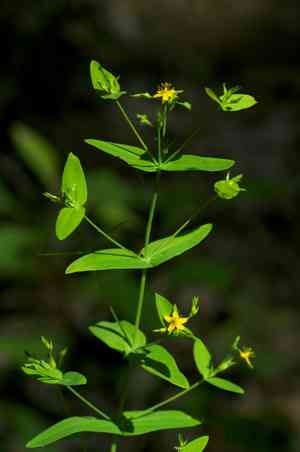
For optimal placement of dwarf St. John's wort, target relocation during the period spanning from the onset of summer's heat to the more temperate conditions of late summer. Select a sunny spot featuring soil that drains effectively to encourage robust development. Should it be necessary, amend the soil beforehand to guarantee a welcoming new environment for your specimen.
What Preparations are Necessary Before Relocating Dwarf St. John's Wort?
When is the Optimal Period for Moving Dwarf St. John's Wort?
The best time for relocating dwarf St. John's wort spans from the start of pleasant early summer days through the warmth of late summer. This duration's steady warmth and gentle sunlight promote robust root development, setting the stage for vigorous growth. Moving dwarf St. John's wort during this interval maximizes its resilience, enabling it to flourish and adorn your garden with lively energy. Embrace this gardening approach and observe dwarf St. John's wort thrive with the season's rhythm.
How Much Clearance Should Be Maintained Between Dwarf St. John's Wort Plants?
Prior to relocating dwarf St. John's wort, measure out a distance of 12-18 inches (30-45 cm) between each planting spot. This guarantees that dwarf St. John's wort has ample room to develop and prosper without becoming overcrowded.
What is the Optimal Soil Blend for Dwarf St. John's Wort Relocation?
Prepare the soil by ensuring it drains well and has a loamy consistency. Incorporate a balanced, slow-release fertilizer to provide dwarf St. John's wort with an initial boost. A pH level of approximately 6.0-7.0 is ideal for dwarf St. John's wort.
Where Should You Replant Your Dwarf St. John's Wort?
Select a site where dwarf St. John's wort will receive full sun to partial shade. An area that gets about 6 hours of direct sunlight daily is perfect to support healthy development.
What Equipment Should You Get Ready Before Relocating Dwarf St. John's Wort?
Gardening Gloves
To safeguard your hands while handling soil and plants.
Trowel
For digging and moving small plants.
Shovel or Spade
To excavate the plant from the ground and prepare the new planting site.
Watering Can or Hose
To hydrate the plant before and after its relocation.
Wheelbarrow
To move the plant and soil.
Pruning Shears
To trim any damaged roots or foliage.
Mulch
To help maintain soil moisture and regulate temperature around the roots post-relocation.
Garden Fork
To loosen the soil surrounding the plant's root area.
How Do You Extract Dwarf St. John's Wort from the Soil?
How Do You Extract Dwarf St. John's Wort from the Soil?
From Ground: Water the dwarf St. John's wort plant to moisten the soil. Then, dig a wide circle around the plant with a shovel or spade, being careful not to harm the root ball. Gently slide the spade beneath the root ball and lift the plant from its original spot.From Pot: Start by watering the dwarf St. John's wort plant to facilitate removal. Turn the pot on its side and carefully slide the plant out, supporting it with one hand and the pot with the other.From Seedling Tray: Dampen the soil in the tray. Use a trowel or your fingers to gently separate the seedling, ensuring the root ball remains intact. Support the seedling by its root ball rather than the stem to prevent injury.
Step-by-Step Guide for Relocating Dwarf St. John's Wort
Preparation
Gather all necessary tools and equipment for relocating dwarf St. John's wort.
Removal
Follow the extraction instructions based on whether dwarf St. John's wort is coming from the ground, a container, or a seedling tray.
Hole Digging
Excavate a hole in the ground large enough to accommodate the root ball of dwarf St. John's wort. Ensure it's twice as wide and equally deep as the root ball's size.
Inspection
Examine the root ball for any indications of damage or disease. Trim any compromised roots with pruning shears.
Planting
Position dwarf St. John's wort in the prepared hole. Make sure the top of the root ball is level with the surrounding soil surface.
Filling
Backfill the hole with soil, gently firming around the plant to eliminate air pockets without excessively compacting the soil.
Watering
Thoroughly water the dwarf St. John's wort plant to help settle the soil around the roots and provide essential hydration.
Mulching
Apply a layer of mulch around the base of dwarf St. John's wort to help conserve moisture, taking care to avoid contact between the mulch and the plant stem.
How Do You Care For Dwarf St. John's Wort After Relocation?
Monitoring
Check the dwarf St. John's wort plant daily to ensure it is adapting well to its new location and showing signs of new development.
Watering
Keep the soil around dwarf St. John's wort consistently moist for the initial few weeks after relocation without over-watering, to encourage root growth.
Support
If dwarf St. John's wort exhibits signs of stress or instability, use stakes or supports to stabilize the plant until it becomes established.
Pruning
Trim any dead or damaged foliage to promote healthy growth and improve air circulation around dwarf St. John's wort.
Protection
Safeguard dwarf St. John's wort from pests or diseases by inspecting regularly and acting promptly if any issues arise.
Troubleshooting Common Issues with Dwarf St. John's Wort Relocation.
How do I know the optimal time to move dwarf St. John's wort?
Relocate dwarf St. John's wort ideally during early to late summer, ensuring mild weather for easy establishment.
What is the correct spacing for relocating dwarf St. John's wort?
Position dwarf St. John's wort approximately 12-18 inches (30-45 cm) apart to allow ample room for growth without crowding.
Why is my relocated dwarf St. John's wort wilting after planting?
Wilting can be due to transplant shock. Ensure soil stays moist and plants are shaded from direct sun for a few days.
What soil conditions promote successful dwarf St. John's wort relocation?
Utilize well-draining soil rich in organic matter. Amend soil with compost if needed to boost nutrient content.
How deep should I plant dwarf St. John's wort when relocating?
The root ball should be level with the soil surface, ensuring the crown is not buried to prevent rot.
Can I relocate dwarf St. John's wort during a hot day?
Avoid relocating dwarf St. John's wort during the hottest part of the day. Choose a cooler time, like early morning or evening.
Should I fertilize dwarf St. John's wort when relocating?
After relocating, wait several weeks before fertilizing. Initially, prioritize watering and root development.
How often should I water dwarf St. John's wort after relocating?
Keep the soil consistently moist but not waterlogged for the first few weeks to help dwarf St. John's wort establish.
What if dwarf St. John's wort starts to yellow after relocating?
Yellowing may indicate overwatering or poor drainage. Ensure soil drains well and slightly reduce watering frequency.
Can I relocate dwarf St. John's wort if it has started blooming?
It's best to relocate dwarf St. John's wort before blooming to avoid extra stress. Focus on next season if blooms are present.



