How to Prune Dwarf St. John's wort?
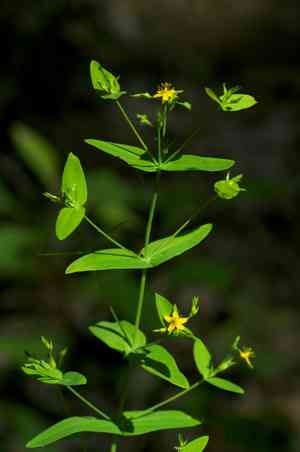
A perennial herbaceous plant, dwarf St. John's wort thrives in bright, adequately drained locations, yielding yellow blossoms. Trim sparingly following blooming to preserve its form and stimulate more compact development. Optimal trimming occurs in spring or early summer to prevent removing the subsequent season's flower buds. Removing faded flowers prolongs the flowering period and inhibits self-propagation. Autumn pruning is discouraged as it could diminish the plant's resilience to winter conditions. Trimming fosters robust, thick foliage, providing both visual appeal and enhanced plant vitality.
Advantages of Trimming Dwarf St. John's Wort
Advantages of Trimming Dwarf St. John's Wort
Trimming dwarf St. John's wort promotes robust development, fostering a denser and healthier specimen. Through careful reduction, cultivators maintain dwarf St. John's wort's neat form, encouraging an appealing shape as it matures.
Optimal Time for Trimming Dwarf St. John's Wort
Optimal Time for Trimming Dwarf St. John's Wort
Trimming dwarf St. John's wort from late Winter to early Spring, just prior to active growth, is ideal. This timing allows gardeners to shape the plant and remove any dead or damaged wood without hindering new development. It also boosts the plant's vitality and encourages a better floral display during bloom season. Post-flowering pruning can help prevent seed dispersal and manage plant spread if necessary.
Tools Required for Trimming Dwarf St. John's Wort
Hand Pruners
Perfect for shaping and trimming dwarf St. John's wort, enabling precise cuts on small to medium-sized stems. Opt for bypass pruners, which create clean cuts vital for the plant's well-being.
Pruning Shears
Excellent for snipping delicate blooms or slender stems of dwarf St. John's wort. These shears offer greater control and are less likely to harm the plant's small branches.
Gloves
Not a cutting implement, but crucial for safeguarding your hands from thorns or sharp stems while trimming dwarf St. John's wort.
How to Trim Dwarf St. John's Wort
Sanitize
Before beginning, sanitize pruning tools with a bleach or alcohol solution to prevent disease transmission to dwarf St. John's wort.
Identify
Locate the shriveled leaves on dwarf St. John's wort that appear brown, yellow, or otherwise discolored.
Cut
Using sharp shears, make clean cuts to remove the shriveled leaves at their base, being careful not to harm new growth or nearby healthy foliage on dwarf St. John's wort.
Clean
After trimming, clear away any fallen leaves or debris around dwarf St. John's wort to maintain good hygiene and reduce pest or disease risk.
Monitor
Regularly check dwarf St. John's wort for additional shriveled leaves and repeat the trimming process as needed to maintain the plant's health and appearance.
Common Trimming Errors with Dwarf St. John's Wort
Excessive Trimming
A frequent error is removing too much growth, which can weaken dwarf St. John's wort and diminish its flowering capacity. It's vital to trim no more than one-third of the plant at a time.
Dull Tools
Using blunt or unclean pruning tools can damage dwarf St. John's wort's stems, increasing disease susceptibility. Always use sharp, clean tools for precise cuts.
Ignoring Deadheading
Failing to remove spent flowers can cause dwarf St. John's wort to expend energy on seed production instead of new growth. Deadheading promotes continuous blooming.
Tearing Stems
Sometimes gardeners might pull or tear stems instead of cutting them, which can injure dwarf St. John's wort's delicate tissues and hinder proper regrowth.
Disregarding Plant Shape
Without considering dwarf St. John's wort's natural form, gardeners might trim it into an unattractive shape. It's best to preserve the plant's balanced, natural look.
General Trimming Advice for Dwarf St. John's Wort
Selective Trimming
Focus on thinning out congested areas, which will enhance air circulation and light penetration, positively affecting dwarf St. John's wort's health and vigor.
Maintain Plant Health
Remove any dead, diseased, or damaged stems to help dwarf St. John's wort conserve energy and prevent disease spread.
Cutting Angle
Make cuts at a 45-degree angle just above a leaf node or set of leaves to encourage healthy new growth in dwarf St. John's wort.
Promote Bushiness
Pinch back the growing tips of young dwarf St. John's wort plants to encourage a denser growth habit and more blooms.
Rejuvenation Trimming
Periodically, more extensive trimming may be necessary to revitalize older dwarf St. John's wort plants; cutting back to strong new shoots can invigorate growth.



