The Dwarf St. John's wort Plant Advantage: Maximizing Home and Office Appeal and Wellness
1
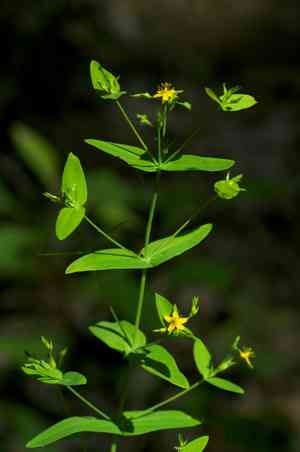
Dwarf St. John's wort is prized for its inherent calming effects.
2
This species flourishes in moist environments, making it perfect for wet garden spots.
3
Recognized for its vibrant yellow blooms, Dwarf St. John's wort also serves as an attractive decorative plant.
What Are the Primary Advantages of Dwarf St. John's wort?
Ecological Benefits
A key ecological advantage of Dwarf St. John's wort is its suitability for wetland environments. This makes it an ideal option for preventing soil loss in areas prone to inundation or poor drainage. Its root system aids in stabilizing the ground, preventing erosion and retaining moisture. Furthermore, Dwarf St. John's wort attracts various pollinators, such as bees and butterflies, supporting local biodiversity.
Aesthetic Appeal
If you're aiming to enhance your garden's beauty, Dwarf St. John's wort is an excellent selection. Its vibrant yellow blooms create a striking visual impact, making it an attractive addition to any landscape. The plant requires relatively little upkeep, needing minimal care once established. Its dense foliage also provides a thick ground cover, which can help to inhibit weed growth.
How to Grow Dwarf St. John's wort in Your Garden
Optimal Growing Conditions
For best development, Dwarf St. John's wort needs a damp environment. It flourishes in full sun to partial shade and prefers well-drained soil. While it adapts to various soil types, it performs best in loamy or sandy soils. Before planting, ensure the area isn't susceptible to prolonged dry spells, as this can impact the plant's health.
Planting and Care Advice
Planting Dwarf St. John's wort is quite simple. Begin by digging a hole twice as wide and as deep as the plant's root ball. Position the plant in the hole, making sure the top of the root ball is level with the soil surface. Backfill with soil and water thoroughly. Once established, Dwarf St. John's wort requires minimal upkeep. Consistent watering during dry periods and occasional trimming to remove dead or damaged stems will keep the plant healthy and robust.
What Are the Practical Applications of Dwarf St. John's wort?
Ground Cover Use
Dwarf St. John's wort serves as an excellent ground cover due to its dense foliage and spreading habit. It helps to suppress weeds and reduce soil erosion. Its ability to thrive in wet conditions makes it particularly useful for covering areas that are challenging to manage.
Habitat Restoration Efforts
Given its adaptability to moist environments, Dwarf St. John's wort is frequently utilized in habitat restoration projects. It aids in re-establishing native plant communities in degraded wetlands and riparian zones. Its presence can improve soil structure and create a more welcoming environment for other native species.
Potential Issues and Solutions
Pest and Disease Management
Dwarf St. John's wort is fairly resistant to most pests and diseases. However, it can occasionally suffer from root rot in excessively wet conditions. To prevent this, ensure proper drainage and avoid waterlogging. Regular inspection can help detect any early signs of pest infestations or diseases, allowing for prompt intervention.
Controlling Proliferation
Dwarf St. John's wort tends to spread quickly, which can become problematic if not managed correctly. To control its spread, regular pruning is essential. If it starts to encroach on other plants or garden areas, root barriers can be installed to keep its growth in check.



