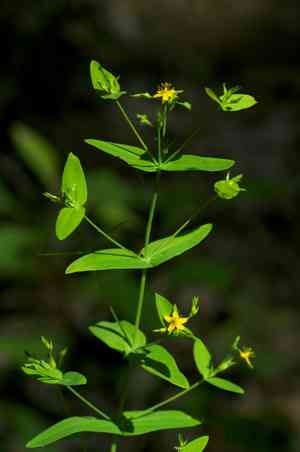
Dwarf St. John's wort (Hypericum mutilum)
Also known as: Small-flowered St. John's wort
Dwarf St. John's wort (Hypericum mutilum), found widely in North America, is both an annual and perennial herb. Its seeds are typically spread by wading birds that frequent its wet, muddy environment, aiding in the plant's distribution across suitable habitats.
In This Article
Attributes of Dwarf St. John's wort
Lifespan
Annual, Perennial
Plant Type
Herb
Plant Height
15 cm to 60 cm
Spread
15-30 cm
Leaf Color
Green
Flower Size
3 mm to 5 mm
Flower Color
Yellow
Images of Dwarf St. John's wort
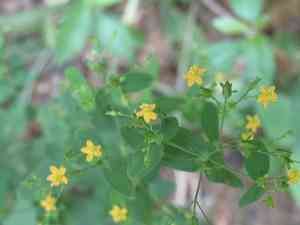
Quickly Identify Dwarf St. John's wort
1
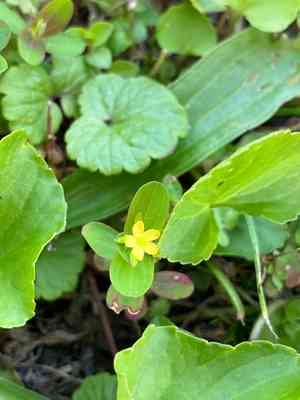
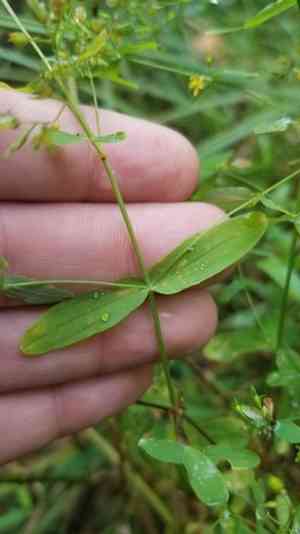
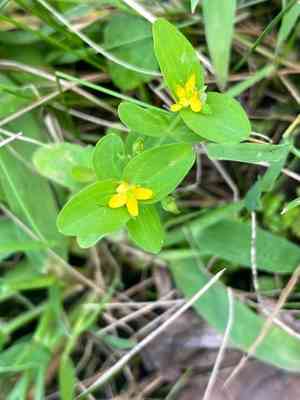
Look for a small, low-growing plant with opposite, simple leaves and clusters of small, yellow flowers with five petals. The stems are typically reddish, and the plant often forms mats.
Scientific Classification of Dwarf St. John's wort
Phylum
Vascular plants
Class
Dicotyledons
Order
Malpighiales
Family
St. John's wort
Genus
St. John's worts
Species
Dwarf St. John's wort
Planting and Growing of Dwarf St. John's wort
Care Difficulty
Easy
Watering Schedule
Every 8 days
Sunlight Requirements
Full sun
Sunshine Duration
4-8 hours
Ideal Temperature
65-75℉
Soil Type
Potting Mix, Peat Mix
Soil pH
5.5-7.5
Fertilizer Type
Balanced
Pruning Season
Spring, Summer
Pruning Area
Branches, Leaves
Pruning Frequency
Once a year
Repotting Season
Spring
Pot Type
Terracotta, Plastic
 How to Water Dwarf St. John's wort?
Hypericum mutilum, also known as dwarf St. John's Wort, should be watered deeply but the soil should be allowed to dry out slightly between waterings. Aim to provide around 200 milliliters of water each time, ensuring it penetrates down to the root zone without waterlogging the soil. This encourages healthy root systems by allowing roots to take in oxygen.
What are the symptoms of an underwatered Dwarf St. John's wort?
›
What should I do if my Dwarf St. John's wort is not getting enough water?
›
What are the symptoms of an overwatered Dwarf St. John's wort?
›
How to save an overwatered Dwarf St. John's wort?
›
 What Are the Sunlight Requirements for Dwarf St. John's wort?
Hypericum mutilum prefers full to partial sun, ideally receiving 6-8 hours daily. This light range enables robust flowering, strong stem development, and resistance to common plant ailments.
More About Sunlight Requirements Techniques→
Optimal Sunlight Hours
›
Sun Exposure Solutions
›
Benefits of Ideal Lighting
›
 What Is the Ideal Temperature Range for Dwarf St. John's wort?
Hypericum mutilum thrives in temperatures ranging from 65°F to 75°F. This range allows the plant to maintain optimal metabolic processes, promoting healthy growth and flowering. Maintaining stable conditions within this range ensures the plant receives adequate energy for photosynthesis, essential for its vibrant leaf and flower development.
 What Soil is Best for Dwarf St. John's wort?
Hypericum mutilum thrives in soil that provides good drainage to prevent root rot. A well-draining soil ensures that excess water does not linger around the roots, promoting healthy growth and preventing water-borne diseases. Moderate soil fertility is important for Hypericum mutilum as it requires a balanced supply of nutrients. This helps in maintaining vibrant foliage and prolongs flowering periods, ensuring a vigorous plant. While Hypericum mutilum enjoys well-drained soils, it also appreciates consistent moisture. Keeping the soil moist but not saturated encourages optimal growth and sustains the plant in peak condition.
 How to Fertilize Dwarf St. John's wort?
For Hypericum mutilum, applying a balanced fertilizer is key. During its growing season, use a 10-10-10 fertilizer, applying about 1 tablespoon per gallon of water for liquid applications, or 1/4 cup per plant if using granular forms.
 How to Prune Dwarf St. John's wort?
Begin by using clean, sharp pruning shears to avoid damaging the plant. Start by removing dead or diseased branches and cutting just above a healthy node. Aim to open up the center of the plant to improve light penetration and air circulation. Trim back one-third of the branches to encourage bushier growth. Finally, clean up any fallen debris around the plant to maintain a tidy appearance. Every couple of years, consider a more comprehensive pruning to rejuvenate the Hypericum mutilum. Cut back all branches by about two-thirds to reinvigorate the plant, promoting vigorous new growth. Perform this heavy trim during early spring before new growth starts. This ensures that the plant will recover promptly and continue to thrive.
More About Pruning Techniques→
 How to Propagate Dwarf St. John's wort plant?
1
Scatter the seeds thinly on the surface of a seed tray filled with a seed-starting mix. Lightly press them into the soil without covering them, as they require light to germinate. Water gently but thoroughly.
2
Select healthy stems from the current year's growth for cuttings. Each cutting should be 10-15 cm long and include a few sets of leaves. Use sterilized pruning shears for clean cuts to prevent infection.
3
Dip the cut end of each cutting into rooting hormone powder to enhance root development. Plant the cuttings into a well-draining substrate and keep in a humid environment until roots develop.
 How to Repot Dwarf St. John's wort plant?
1
Recognize repotting signs like slow growth or roots coming out of the pot's drainage holes. When your Hypericum mutilum shows these signs, it's likely time for a new, more spacious home to support its continued growth.
2
Select a pot with drainage holes that is slightly larger than the current one. This ensures good aeration and space for root expansion, crucial for healthy plant development and preventing waterlogged roots.
3
Opt for a moist, well-draining soil mix. This kind of soil balances moisture retention and drainage, providing an optimal environment for root health and reducing the risk of root rot.
Toxicity
Ingestion
WARNING
The judgment on toxicity and danger is for reference only. We DO NOT GUARANTEE any accuracy of such judgment. Therefore, you SHALL NOT rely on such judgment. It is IMPORTANT TO SEEK PROFESSIONAL ADVICE in advance when necessary.



