How Much Sunlight Do Dwarf St. John's wort Need?
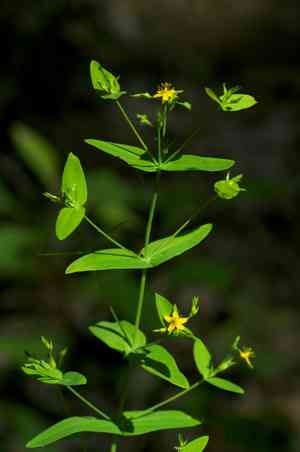
1
Dwarf St. John's wort flourishes with moderate sun exposure, usually 3-6 hours daily.
2
Employing a light meter assists in gauging the precise illumination your plant gets.
3
Monitor the plant's response to modify its light access as seasons change.
Optimal Light for Dwarf St. John's wort
Full Sun Requirements
Dwarf St. John's wort, a delightful garden addition, thrives with moderate sun exposure. While full sunâ”meaning at least 6 hours of direct sunlight dailyâ”often benefits many plants, it's not strictly necessary for this species. In fact, excessive direct sun can scorch leaves and harm its overall health. Therefore, a balance of sun and shade is crucial for its prosperity.
Partial Sunlight
Partial sunlight, roughly 3-6 hours daily, is perfect for Dwarf St. John's wort. This means the plant should get some direct sun, especially during cooler parts of the day, like early morning or late afternoon. This exposure provides the energy needed for photosynthesis without sun damage. Optimal placement for filtered or indirect light also helps meet its needs.
Shade Tolerance
While Dwarf St. John's wort can endure some shade, too much can hinder flowering and lead to weaker growth. Ideally, shade should be dappled, allowing sun flecks to reach the plant. Consistent deep shade will diminish its beauty and vigor, making partial sunlight the preferred condition.
Determining Correct Sunlight Exposure
Understanding Light Intensity
Light intensity refers to the amount of light energy a plant receives. For Dwarf St. John's wort, understanding this is key to its success. Direct sunlight offers the highest intensity but can be harsh, while indirect light provides a gentler, often more suitable environment. By assessing light intensity, you can better mimic its natural habitat.
Using a Sunlight Meter
A sunlight meter is a useful tool for gauging light levels in various garden or home areas. Using this device, you can precisely determine how much light your Dwarf St. John's wort gets daily. Place the meter at the plant's location and take readings at different times for accurate measurement. This data aids in deciding whether to move the plant or add shade.
Observing Plant Behavior
One of the most practical ways to assess if your Dwarf St. John's wort receives adequate sunlight is by observing its condition. Healthy plants display vibrant color, vigorous growth, and consistent blooms. If leaves are pale, leggy, or show signs of burn, these indicate light exposure needs adjustment. Regular monitoring helps fine-tune its location or lighting for optimal health.
Seasonal Light Needs of Dwarf St. John's wort
Sunlight in Spring and Summer
During spring and summer, Dwarf St. John's wort enters its peak growth and flowering phase. It's vital during these seasons to ensure the plant receives its optimal 3-6 hours of partial sunlight daily. Morning sun followed by afternoon shade can help maintain its vitality and encourage abundant blooms. Adjustments may be needed as days lengthen and the sun intensifies.
Sunlight in Fall and Winter
In fall and winter, sunlight naturally decreases in intensity and duration. During these cooler, shorter days, Dwarf St. John's wort will require less light but should still be placed where it can receive maximum available sunlight. Consider moving the plant closer to windows or trimming obstructing branches. Attending to these changes ensures the plant remains healthy through dormant periods.
Indoor vs. Outdoor Light Exposure
Growing Indoors: Sunlight Considerations
If growing Dwarf St. John's wort indoors, meeting its light needs can be challenging but achievable. Position the plant near windows receiving ample daylight, ideally east or west-facing. Supplemental lighting, like grow lights, can mimic natural sun and help during low-light days. Regular rotation ensures even light distribution, promoting balanced growth.
Outdoor Planting Tips
When planting Dwarf St. John's wort outdoors, consider your garden's microclimates. An east-facing garden spot typically provides the gentle morning sun the plant prefers. Ensure it's not constantly shaded by larger plants or structures. Mulching around the base helps retain moisture without blocking sunlight. Monitoring the plant's outdoor response will guide any necessary repositioning or added shading.



