How to Transplant Spring spiderlily?
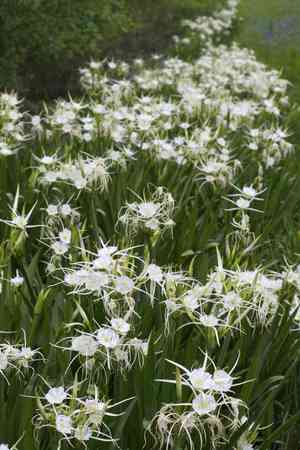
For spring spiderlily, the arrival of warmer spring temperatures marks the ideal period for relocation, promoting vigorous development. Position them in sunny, adequately drained locations for optimal prosperity. Handle with care during transplantation to facilitate effective root establishment.
Essential Preparations Before Relocating Spring Spiderlily
Optimal Timing for Transplanting Spring Spiderlily?
The prime period for moving your spring spiderlily to a new garden spot is during the early part of spring. This timing promotes strong root development and smooth acclimation to its new surroundings. Shifting spring spiderlily during this window leverages the cool yet warming temperatures, ensuring the plant settles without the strain of intense heat. Additionally, it capitalizes on the season's natural growth surge, giving your spring spiderlily a head start to flourish. A friendly tip: embrace this gardening moment for a successful bloom!
Recommended Spacing Between Spring Spiderlily Plants?
Allow ample room for spring spiderlily plants to expand, ideally maintaining a distance of 1-2 feet (30-60 cm) between them during relocation. This spacing aids in root expansion and optimal growth.
Ideal Soil Blend for Spring Spiderlily Transplanting?
For spring spiderlily plants, a well-draining soil mix, enriched with organic matter, is preferable. Before planting, consider incorporating a foundational fertilizer, such as a balanced slow-release granular type, to enrich the soil and foster healthy development.
Where to Position Your Spring Spiderlily?
Selecting a suitable site for spring spiderlily plants is also crucial. Seek out a location that receives full to partial sunlight. They thrive in sun but can endure some shade. Just remember, more sun typically leads to more blooms!
Equipment Needed for Spring Spiderlily Transplantation
Gardening Gloves
To safeguard your hands from potential scrapes or cuts during the transplanting process.
Shovel or Gardening Spade
Necessary for carefully extracting the plant from its original spot and preparing the new planting hole.
Gardening Fork
To gently loosen the soil around the plant's root system when removing it from its initial location.
Bucket or Pot
For transporting the spring spiderlily plant to its new site without causing root damage.
Mulch
Helps retain moisture after transplanting and minimizes weed competition.
Watering Can
For hydrating the newly transplanted spring spiderlily.
Method for Removing Spring Spiderlily from Soil
Method for Removing Spring Spiderlily from Soil
From Ground: After saturating the soil around the spring spiderlily, use a shovel or spade to dig uniformly around the plant, keeping a distance from the base to prevent root system damage. Carefully lift the plant, ensuring the root ball stays intact, then place it in a bucket or pot for transport.From Pot: Start by thoroughly watering the potted spring spiderlily. Turn the pot on its side, and gently tap its edges to dislodge the plant. Aim to keep as much soil with the roots as possible, then transfer the plant to a bucket for relocation.From Seedling Tray: Water trays an hour beforehand to ensure moist soil. Gently dig under the seedlings with a small fork to lift the root ball, making sure the root system is undisturbed. Handle the spring spiderlily by its leaves to avoid harming the stems.
Step-by-Step Guide for Relocating Spring Spiderlily
Plant Preparation
Once the spring spiderlily has been extracted from its initial spot, lightly trim any damaged or broken roots before replanting.
Planting Hole
Excavate a hole in the new location that is twice the width of the plant's root system and no deeper than the root ball.
Placement
Position the plant in the center of the hole. The top of the root ball should be level with the ground surface.
Backfill
Refill the hole with the same soil that was removed, gently firming it around the base of the spring spiderlily.
Water
Hydrate the plant to settle the soil. The water should penetrate deeply enough to reach all the roots.
Mulch
Apply a layer of mulch around the plant, but ensure it does not touch the stem. Leave a mulch-free zone of about 1-2 inches around the plant stem.
Post-Transplant Care for Spring Spiderlily
Watering
Water the spring spiderlily thoroughly immediately after transplanting and continue to water regularly to keep the soil consistently moist but not waterlogged.
Mulching
Inspect the mulch frequently, replenishing or adding as needed to maintain a substantial layer around the plant. Mulching will also help suppress weed growth.
Checking health
Closely monitor the spring spiderlily for any indications of transplant shock, such as wilting leaves or drooping stems. If these signs appear, water the plant lightly and frequently.
Addressing Common Issues with Spring Spiderlily Transplantation
When is the optimal time to transplant spring spiderlily?
The best period to move spring spiderlily is between S1 and S2. This season allows spring spiderlily roots to establish quickly and effectively.
What spacing should I use for spring spiderlily during transplanting?
You should provide spring spiderlily with ample space, positioning them approximately 1-2 feet (30-60 cm) apart, to ensure each plant has sufficient room for proper development.
Which soil type is ideal for transplanting spring spiderlily?
Spring spiderlily thrives in well-drained soil containing a blend of sand and humus. For optimal transplanting success, balance your soil's pH between 6.0 and 6.5.
What preliminary steps should I take before transplanting spring spiderlily?
First, water spring spiderlily a day before the move. Then, carefully extract the plant, striving to avoid root damage. Trim any damaged or dead roots prior to replanting.
How deep should I plant the roots when transplanting spring spiderlily?
The root ball of spring spiderlily should be positioned level with or slightly above the soil surface. It's advisable to dig a hole roughly twice the width of the root ball.
Why is my transplanted spring spiderlily wilting?
Wilting often indicates stress, possibly due to an abrupt change in conditions or root damage during transplantation. Ensure proper watering and shield it from harsh weather.
How frequently should I water spring spiderlily after transplantation?
Water spring spiderlily adequately immediately after transplanting. Subsequently, it should be kept well-hydrated until established, often requiring watering every 2-3 days.
What if my newly transplanted spring spiderlily isn't growing?
Don't be concerned. Spring spiderlily sometimes takes time to develop new roots and begin growing. Consistent watering and providing balanced fertilizers should encourage growth.
How should I care for spring spiderlily after transplanting to promote recovery and growth?
Keeping the newly transplanted spring spiderlily well-watered and applying mulch around its base can help maintain cool, moist roots, fostering better growth.
Is staking necessary for spring spiderlily after transplanting?
No, staking is generally not required for spring spiderlily. The plant is robust enough to support itself and remains firmly rooted.



