Enhancing Your Garden Design with the Spring spiderlily Plant: A Landscaping Guide
1
To promote robust development and vivid flowers, cultivate Spring spiderlily in soil that drains effectively.
2
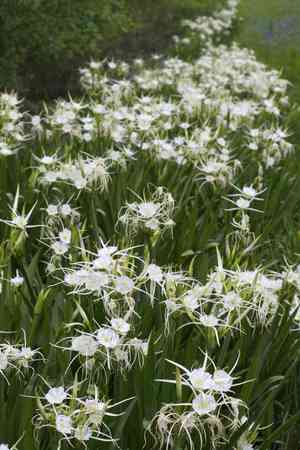
Spring spiderlily complements other plants such as ferns and decorative grasses wonderfully.
3
Periodically check Spring spiderlily for any pests to preserve its vitality and look.
Introducing Spring spiderlily to Your Garden
Choosing the Right Location for Spring spiderlily
When adding Spring spiderlily to your garden, selecting the ideal spot is the initial vital step. Spring spiderlily flourishes best in areas with good soil drainage, as it dislikes soggy conditions. A slightly elevated position in your garden can prevent excess water from collecting around its roots. Furthermore, consider placing Spring spiderlily near paths, borders, or water features to emphasize its distinct beauty and gracefully direct foot traffic through your landscape.
Understanding Sunlight and Soil Requirements
For Spring spiderlily to thrive, comprehending its light and soil preferences is essential. This plant prefers full to partial sun, receiving at least 4-6 hours of direct sunlight daily to promote vigorous blooming and growth. However, in areas with intense afternoon sun, some filtered shade can shield Spring spiderlily from burning. Regarding soil, Spring spiderlily favors a loamy texture enriched with organic matter. Aim for a slightly acidic to neutral pH level to mimic its natural environment, encouraging both vibrant foliage and lovely flowers.
Designing With Spring spiderlily in Mind
Incorporating Spring spiderlily into Various Garden Styles
Designing your garden with Spring spiderlily offers adaptability across numerous styles. For a tranquil, Zen-inspired garden, consider integrating Spring spiderlily alongside minimalist elements like gravel pathways and bamboo accents. Alternatively, in a cottage garden, Spring spiderlily can act as a focal point amidst a mix of colorful, free-flowering perennials. Modern landscapes can benefit from Spring spiderlily's structural elegance when planted in sleek containers or contemporary water features, adding a dynamic, yet refined visual interest to the garden's design.
Complementary Plants for Spring spiderlily
Selecting companion plants for Spring spiderlily enhances the overall landscape harmony and diversity. Ferns, with their lush, feathery fronds, create a beautiful textural contrast against Spring spiderlily's upright, linear leaves. Ornamental grasses can add movement and softness, especially varieties that sway gently in the breeze. Additionally, pairing Spring spiderlily with plants like hostas or astilbes, which thrive in similar conditions, can create a cohesive and dynamic plant community, enriching your garden's aesthetic and ecological balance.
Year-Round Beauty: Seasonal Tips for Spring spiderlily
Spring Care: Getting the Best Bloom
To ensure optimal blooming for Spring spiderlily in spring, start by enriching the soil with compost and a balanced fertilizer to supply essential nutrients. Water the plant regularly, keeping the soil consistently moist but not waterlogged, to support developing buds. As new growth emerges, check for and remove dead or damaged leaves promptly to encourage healthy, vibrant flowers. Additionally, consider staking taller stems to maintain their structure during windy spring days, ensuring they remain upright and attractive.
Maintaining Spring spiderlily Through Summer and Fall
Maintaining Spring spiderlily through summer and fall requires a few strategic approaches. During summer, continuing a consistent watering schedule, especially during dry periods, is crucial to sustain the plant's health. Mulching around the base can help retain soil moisture and suppress weeds. As autumn approaches, gradually reduce watering to prepare Spring spiderlily for its dormant phase. Trim back any spent flowers and yellowing foliage to tidy the plant and lessen the risk of pests and diseases overwintering. These steps ensure Spring spiderlily remains a garden highlight across multiple seasons.
Common Challenges in Growing Spring spiderlily
Dealing With Pests and Diseases
Cultivating Spring spiderlily may present challenges, such as pests and diseases. Regularly inspecting the plant for signs of aphids, spider mites, or scale insects can help detect infestations early. Using insecticidal soap or neem oil can effectively treat minor pest issues. Fungal diseases like leaf spot or botrytis can occur in humid conditions. To prevent these, ensure proper air circulation around the plant and avoid overhead watering. If fungal problems arise, removing affected leaves and applying a suitable fungicide can help manage and control their spread.
Weather Considerations for Spring spiderlily
Considering the weather is vital for successfully growing Spring spiderlily. This plant is relatively resilient, but extreme cold or heat can stress it. In colder climates, mulching can insulate the roots during winter, while in hot regions, providing some afternoon shade can protect the plant from scorching. During periods of heavy rainfall, ensuring adequate drainage becomes even more critical to prevent root rot. Additionally, shielding the plant from strong winds can help preserve its structural integrity and prevent damage to its delicate blooms.



