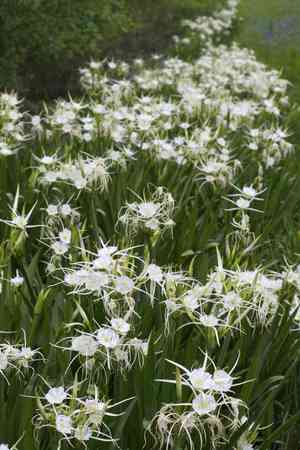
Spring spiderlily (Hymenocallis liriosme)
Also known as: Spiderlily, Western marsh spider-lily
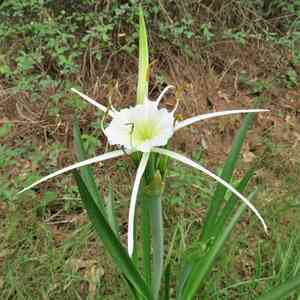
The Spring Spider Lily (Hymenocallis liriosme) is an herbaceous perennial that showcases striking, spider-like white flowers from spring through fall. Known for its pleasant fragrance, this plant creates a stunning visual display. It commonly thrives in areas such as ditches, ponds, and wetlands, and attracts pollinators like hummingbirds, bees, and butterflies. It grows well in full sun to partial shade.
In This Article
Attributes of Spring spiderlily
Lifespan
Perennial
Plant Type
Herb
Plant Height
46 cm to 61 cm
Spread
30 cm
Leaf Color
Green
Flower Size
18 cm
Flower Color
White Yellow
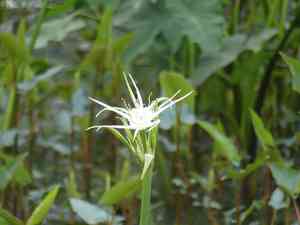
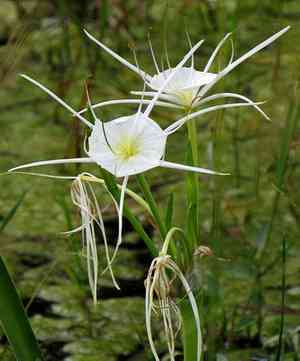
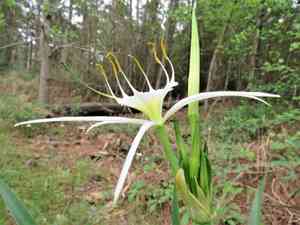
Images of Spring spiderlily
Quickly Identify Spring spiderlily
1
Hymenocallis liriosme can be identified by its long, narrow leaves and the unique shape of its flowers, which have long, spider-like petals and a central cup. The flowers typically bloom in spring and have a strong fragrance.
Scientific Classification of Spring spiderlily
Phylum
Vascular plants
Class
Monocotyledons
Order
Asparagales
Family
Amaryllis
Genus
insmene
Species
Spring spiderlily
Planting and Growing of Spring spiderlily
Care Difficulty
Easy
Watering Schedule
Every 2 days
Sunlight Requirements
Partial sun
Sunshine Duration
6-10 hours
Ideal Temperature
70-85℉
Soil Type
Potting Mix, Peat Mix
Soil pH
6.5-7.5
Fertilizer Type
Balanced
Pruning Season
Spring, Summer
Pruning Area
Branches, Leaves
Pruning Frequency
2 times a year
Repotting Season
Spring
Pot Type
Plastic, Ceramic
 How to Water Spring spiderlily?
Hymenocallis liriosme, commonly known as the spider lily, requires a moderate amount of water. The goal is to keep the soil consistently moist without allowing it to become waterlogged. Typically, 300 ml of water per session is sufficient. This quantity ensures that the moisture reaches the root zone, but does not sit at the base, which is crucial for preventing root rot.
What are the symptoms of an underwatered Spring spiderlily?
›
What should I do if my Spring spiderlily is not getting enough water?
›
What are the symptoms of an overwatered Spring spiderlily?
›
How to save an overwatered Spring spiderlily?
›
 What Are the Sunlight Requirements for Spring spiderlily?
Hymenocallis liriosme benefits from full to partial daylight exposure. Ensuring this range promotes healthy photosynthesis, vigorous leaf growth and abundant, vibrant blooms.
More About Sunlight Requirements Techniques→
How much sun does Hymenocallis liriosme need?
›
What kind of light is best for blooming?
›
How to adapt lighting for indoor growth?
›
 What Is the Ideal Temperature Range for Spring spiderlily?
The ideal temperature range for Hymenocallis liriosme is between 70°F and 85°F. Maintaining this temperature range ensures optimal growth and flowering. In this range, the plant can efficiently perform photosynthesis and other metabolic processes, supporting robust growth. It's important to monitor environmental conditions regularly to keep the temperature within this ideal range for the best results.
 What Soil is Best for Spring spiderlily?
Hymenocallis liriosme thrives in well-drained soils, which help prevent root rot by allowing excess water to escape. Good drainage is crucial for maintaining healthy roots and ensuring vigorous growth. This plant benefits significantly from soil rich in organic matter. Nutrient-rich soil supports blooming and overall plant health by providing essential elements for photosynthesis and other metabolic processes. While Hymenocallis liriosme prefers moist soil, overwatering can be detrimental. Maintain moderate moisture to support its hydration needs without risking waterlogged conditions that can lead to issues.
 How to Fertilize Spring spiderlily?
For Hymenocallis liriosme, the fertilizer amount should be carefully calculated to avoid overfeeding. Typically, using half the recommended label amount for liquid fertilizers is advisable. This plant prefers a lighter feeding to promote healthy growth without encouraging excessive foliage at the expense of flowering. When applying slow-release fertilizers, follow the guidelines specific to your product, usually covering a 3-4 month growth period.
 How to Prune Spring spiderlily?
Begin by using sharp, sterilized pruning shears to trim away any dead or damaged leaves close to the base. Focus on cutting back the older flower stalks after bloom to encourage the development of fresh blossoms. Be careful to maintain the plant's natural shape by only removing up to a third of the foliage at once, ensuring your Hymenocallis liriosme remains lush and vibrant.
More About Pruning Techniques→
 How to Propagate Spring spiderlily plant?
1
Prepare well-aerated and well-drained soil by mixing potting soil with sand or perlite. Ensure the soil is slightly moist but not waterlogged before sowing seeds.
2
Plant seeds about half an inch deep in prepared soil and lightly cover them. Maintain consistent moisture but avoid overwatering as seeds can rot.
3
Dig up mature plants and gently separate the bulbs. Use a sharp sterile knife for any bulbs that require cutting and immediately plant the divided bulbs in prepared soil.
 How to Repot Spring spiderlily plant?
1
Repotting your Hymenocallis liriosme becomes necessary when you observe crowded roots protruding out of the pot's drainage holes. Another signal is sluggish growth during the active growing season. Spring is the perfect time, as the plant is gearing up for its growth spurt, allowing it to settle comfortably into its new environment.
2
Select a pot that is 2-3 inches wider than its current one and has adequate drainage holes. A pot with proper drainage prevents waterlogging, safeguarding against root rot and ensuring your spider lily thrives. Opt for a breathable material like terracotta to enhance soil aeration.
3
Opt for a rich, well-draining soil mix comprising equal parts of loam, peat, and perlite. Such a blend enhances aeration and retains just the right moisture level. This ensures the lily’s roots have access to nutrients while preventing waterlogging, ultimately promoting healthier growth.
Toxicity
Ingestion, Dermal contact
WARNING
The judgment on toxicity and danger is for reference only. We DO NOT GUARANTEE any accuracy of such judgment. Therefore, you SHALL NOT rely on such judgment. It is IMPORTANT TO SEEK PROFESSIONAL ADVICE in advance when necessary.
Learn More About Spring spiderlily Diseases
Anthracnose
Bacterial Leaf Spot
Bacterial Soft Rot
Bacterial Wilt
Crown Gall
Cyst Nematode
Damping-off
Downy Mildew
Drought Stress
Fusarium Wilt
Gray Mold
Leaf Spot
Mosaic
Nutrient Deficiency
Nutrient Toxicity
Powdery Mildew
Root Rot
Root-knot Nematode
Rusts
Sooty Mold
Spider Mites
Temperature Stress
Thrips Damage
White Mold



