How to Propagate Spring spiderlily?
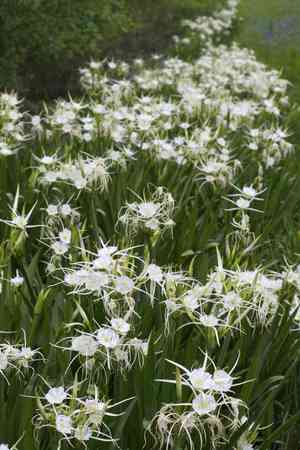
The spring spiderlily, a perennial with stunning white blossoms, is primarily propagated by dividing its tubers. This method is both straightforward and effective. Cultivators ought to meticulously detach the offsets from the primary tuber cluster, making certain that each new segment possesses sufficient root structures. Subsequently, these separated portions are placed in soil that drains effectively, and kept uniformly moist, but not saturated, to facilitate proper root development.
Optimal Time for Spring Spiderlily Propagation
Propagation Method
Utilize The Tubers
Propagation Period
Spring
Tools for Spring Spiderlily Propagation
Sharp Knife or Scalpel
A keen knife or scalpel is vital for making precise cuts on spring spiderlily tubers. A clean incision helps prevent infection and promotes rapid healing and root development. The instrument should be sterilized before use to avoid disease transmission.
Rooting Hormone Powder or Gel
Applying rooting hormone to the cut surface of spring spiderlily's tubers boosts root development and enhances the overall success rate of propagation. The hormone stimulates root cell formation and aids the young plant in establishing itself more quickly in its new environment.
Well-draining Potting Mix
A potting mix that drains effectively is essential for spring spiderlily tuber propagation. It prevents waterlogging, which can lead to rot and fungal issues. The mix should be light, typically containing materials such as perlite, vermiculite, and coarse sand to ensure good aeration and drainage.
Pot or Container with Drainage Holes
Proper drainage is crucial for spring spiderlily's well-being, especially during the initial propagation stages. Containers with sufficient drainage holes will help ensure excess water escapes, thereby preventing problems associated with overwatering.
Plant Labels and Marker
Using labels is important for tracking propagation dates and specific care instructions for different spring spiderlily clones. This assists in monitoring growth and development, ensuring each propagated plant receives the necessary care.
Post-Propagation Care for Spring Spiderlily
Post-Propagation Care for Spring Spiderlily
After propagation, caring for spring spiderlily involves ensuring it receives partial to full sunlight, maintaining soil moisture without waterlogging, and applying a balanced fertilizer monthly during the active growing season. As the plant matures, monitor moisture levels and adjust irrigation as needed. Protect spring spiderlily from harsh conditions by providing mulch during colder months. Regularly check for pests and diseases and treat them promptly to maintain plant health.
Common Errors to Avoid When Propagating Spring Spiderlily
Overwatering
Root rot can be a severe consequence of overwatering spring spiderlily, as it prefers well-drained soils and moderate moisture levels.
Incorrect division
Dividing the bulbs improperly or at the wrong growth stage can harm the spring spiderlily and impede its ability to establish and grow.
Too much sunlight
While spring spiderlily appreciates light, excessive direct sunlight can scorch the leaves, leading to stress and reduced vigor.
Neglecting humidity
Spring spiderlily thrives in higher humidity environments, and neglecting this can cause the plant to struggle and potentially hinder blooming.
Excessive fertilizer
Over-fertilizing can cause leaf burn and potentially damage the bulb, disrupting the healthy growth of spring spiderlily.
Advice for Propagating Spring Spiderlily
Bulb selection
Choose healthy, disease-free bulbs for propagation to ensure a strong start for the new spring spiderlily plants.
Soil preparation
Prepare a well-draining soil mix to replicate the spring spiderlily's natural growing conditions and minimize the risk of root rot.
Adequate spacing
Provide sufficient space between the bulbs when planting to allow for adequate growth and airflow around spring spiderlily.
Appropriate depth
Plant the bulbs of spring spiderlily at the proper depth to encourage successful rooting and prevent them from being too exposed or too deep in the soil.
Moderate watering
Water spring spiderlily moderately after planting and establish a regular watering routine that allows the soil to dry slightly between waterings.



