How to Prune Spring spiderlily?
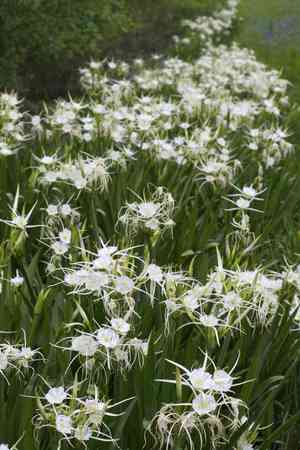
The spring spiderlily, known for its distinctive spider-like blossoms, flourishes with limited trimming. To foster robust development and flowering, eliminate faded blooms and lifeless or injured leaves after the flowering period. The most suitable times for pruning are from spring through autumn, following the bloom cycle. Consistent removal of spent flowers can lead to more robust specimens. Since spring spiderlily is a perennial bulb, pruning must be executed cautiously to prevent harm to the bulbs, which could hinder the subsequent season's growth. Refrain from over-trimming to preserve its inherent form and vigor.
Advantages of Trimming Spring Spiderlily
Advantages of Trimming Spring Spiderlily
Trimming spring spiderlily promotes an impressive floral display and vigorous growth. Strategic cuts maintain the plant's shape, crucial for its beauty and health.
Optimal Time for Trimming Spring Spiderlily
Optimal Time for Trimming Spring Spiderlily
Trimming spring spiderlily in late spring or early summer aligns with the post-flowering period, enabling gardeners to remove spent blossoms and encourage new development. During this phase, the plant is concluding its active growth cycle, making it the perfect moment to shape it without causing undue stress. Pruning in early summer helps avoid the intense heat of late summer, which can stress the plant if trimmed too late. Furthermore, cutting back after flowering supports a healthier plant by redirecting its energy to root and foliage development instead of seed production. This timing also prepares spring spiderlily for robust growth in the subsequent season. Trimming in autumn is not advisable because new growth stimulated by pruning might not have sufficient time to harden off before colder temperatures arrive, potentially leading to frost damage.
Necessary Tools for Trimming Spring Spiderlily
Hand Pruners
For precise removal of faded flowers and delicate stems of spring spiderlily, thereby fostering improved growth and blooming.
Pruning Shears
Perfect for eliminating unwanted foliage and shaping spring spiderlily, ensuring a neat growth habit.
Gloves
Hand protection is essential when trimming spring spiderlily to prevent skin irritation from sap or cuts from sharp edges.
Garden Disinfectant
Used to sanitize tools before and after trimming spring spiderlily to minimize the risk of disease transmission.
How to Trim Spring Spiderlily
Sanitize Tools
Before beginning, clean and sterilize your pruning tools to prevent disease spread. Use a bleach and water solution or rubbing alcohol to wipe down blades.
Remove Diseased Leaves
Carefully inspect spring spiderlily for diseased leaves marked by discoloration, spots, or decay. Gently trim these leaves at their base without tearing, using sharp scissors or pruners.
Trim Withered Leaves
Identify any withered or yellowing leaves on spring spiderlily. These are typically older leaves no longer contributing to the plant's growth. Cut these leaves back to the plant's base.
Deadhead Flowers
Once spring spiderlily flowers have withered, it's time to deadhead. Snip the stem of the spent flowers just below the flower head's base to encourage new growth.
Dispose Of Debris
After trimming spring spiderlily, collect all removed material and dispose of it properly to prevent fungal growth or disease. Do not compost diseased plant parts.
Common Trimming Errors with Spring Spiderlily
Excessive Trimming
Gardeners might mistakenly remove too much foliage, which can stress spring spiderlily and reduce its ability to photosynthesize effectively.
Premature Cutting of Flower Stalks
Removing flower stalks before they have naturally withered can deprive spring spiderlily of the chance to reallocate nutrients back into the bulb for the next growing season.
Incorrect Tool Usage
Using dull or dirty pruning tools can result in jagged cuts and introduce diseases to spring spiderlily.
Trimming Green Leaves
Cutting healthy green foliage can weaken spring spiderlily because these leaves are vital for photosynthesis and energy storage.
Neglecting Dead Material
Failing to remove dead or dying foliage can attract pests and diseases, negatively impacting spring spiderlily's health.
General Trimming Advice for Spring Spiderlily
Clean Tools
Always use clean, sharp pruning shears or scissors to prevent damaging plant tissue and introducing pathogens to spring spiderlily.
Post-Blooming
Trim the faded flower stalks of spring spiderlily down to the base once they have completely browned and died back, to maintain a neat appearance and redirect energy to the bulb.
Annual Thinning
Thin out any crowded clumps by removing weaker stalks to improve air circulation and light penetration, which promotes healthier growth and flowering in spring spiderlily.
Dead Material Removal
Regularly remove any yellowing or dead leaves, as well as spent blooms, to prevent decay and potential disease issues for spring spiderlily.
Baseline Pruning
When trimming spring spiderlily, make clean cuts at the base of the stalks without leaving stubs that could decay and harm the plant.



