How to Transplant Sea barley?
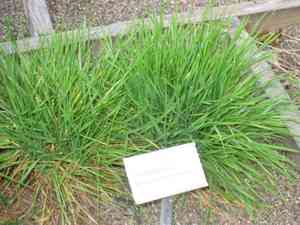
The optimal period for transplanting sea barley spans from the emergence of new foliage in early spring through the beginning of steady warm weather, as this species thrives when establishing itself in cooler conditions. Ensure sea barley is situated in soil that drains effectively and receives abundant sunlight. Exercising extreme care is crucial to prevent any damage to the root system.
What Preparations are Needed Before Transplanting Sea Barley?
What is the Ideal Time for Transplanting Sea Barley?
The optimal period for relocating sea barley is the onset of spring, extending through the core of the vernal season. Moving sea barley during this timeframe ensures they benefit from the best growing conditions provided by early warmth and increasing daylight. This timing aligns with sea barley's natural growth cycle, fostering robust development and improving survival rates. Utilize this window to synchronize sea barley's adaptation with nature's rhythm, promoting strong growth and a magnificent display.
How Much Space Should You Leave Between Sea Barley Plants?
Firstly, allow your sea barley ample room to flourish! Aim to position them approximately 6-8 inches (15-20 cm) apart. This spacing will provide sufficient area for growth, ensuring each plant can absorb the soil's nutrients and moisture effectively.
What is the Best Soil Mix for Sea Barley Transplanting?
Before introducing sea barley to your garden, prepare the soil with an excellent blend! A well-draining, loamy type is perfectly suited. Consider incorporating a balanced, slow-release fertilizer to give your sea barley a strong start. Simply follow the fertilizer's packaging instructions for proper preparation.
Where Should You Relocate Your Sea Barley?
Sunlight is beneficial for sea barley, so locate a bright spot where they can receive full or partial sun exposure. A location that gets direct sunlight for at least 4-6 hours daily will ensure your young plants thrive!
What Equipments Should You Prepare Before Transplantation Sea Barley?
Gardening Gloves
To safeguard your hands while handling soil and plants.
Spade or Shovel
To excavate the plant from its current spot and create a new planting site.
Watering Can or Hose
To hydrate the plant before and after its relocation.
Trowel
For precise digging and adjusting soil around the roots during the transplanting process.
Pruning Shears
For trimming any dead or damaged roots or foliage as required.
Measuring Tape
To ensure the transplanting hole is of the correct dimensions.
Wheelbarrow
To move the plant and soil, if necessary.
How Do You Remove Sea Barley from the Soil?
How Do You Remove Sea Barley from the Soil?
From Ground: First, irrigate the sea barley plant to moisten the soil, facilitating easier removal without root damage. Use a spade or shovel to dig a wide perimeter around the plant, being careful not to sever crucial roots. Gently work the tool beneath the root ball and carefully lift it from the ground.From Pot: Water the sea barley to dampen the soil, then turn the pot sideways and lightly tap the sides to loosen the root ball. Support the stem at its base and carefully ease the plant out, minimizing stress on the stem and roots.From Seedling Tray: Moisten the soil in the tray to allow roots to slide out more easily. Use a trowel or your fingers to gently lift the small sea barley plant, taking care not to pull on the delicate stem or roots.
Step-by-Step Guide for Transplanting Sea Barley
Preparation
Choose an overcast day or transplant in the evening to lessen stress on the sea barley.
Soil Moisture
Water the sea barley in its current location before beginning the process, as moist soil adheres better to roots.
Digging Hole
In the new spot, excavate a hole that is twice as wide and the same depth as the sea barley's root ball to allow for easy root expansion.
Root Ball Care
Carefully extract the sea barley from its original position, preserving the root ball's integrity and gently removing excess soil.
Placing Plant
Position the sea barley in the center of the new hole at the same depth it was previously growing, ensuring it stands upright.
Backfilling
Refill the hole with the excavated soil, gently firming it around the roots to eliminate air pockets.
Watering
Thoroughly water the sea barley to settle the soil around the roots and provide essential hydration for recovery.
Mulching
Apply a layer of mulch around the base of the sea barley to conserve moisture and deter weeds. Keep the mulch away from the stem to prevent rot.
How Do You Care For Sea Barley After Transplanting?
Monitoring
Observe for indications of stress such as wilting or discolored leaves. If these symptoms appear, check soil moisture and adjust watering as necessary.
Gentle Watering
Water the sea barley regularly to maintain consistently moist soil, especially during dry periods.
Support
If the sea barley seems unstable, provide staking or support to prevent wind damage and encourage upright growth.
Protection
Consider safeguarding the sea barley from pests or harsh conditions with appropriate measures, such as netting or row covers.
Troubleshooting Common Issues with Sea Barley Transplantation.
What's the optimal transplanting time for sea barley?
The best time to transplant sea barley is during early to mid-spring when the soil is workable.
How do I know if sea barley is ready to transplant?
Transplant sea barley when it's young, after the last frost, once it's developed a stable root system.
What's the ideal spacing for sea barley during transplanting?
Space sea barley about 6-8 inches (15-20 cm) apart to give each plant enough room to grow.
Can sea barley withstand transplant shock?
Minimize transplant shock for sea barley by keeping roots moist and handling them gently during the process.
Why are my transplanted sea barley wilting?
Wilting after transplanting sea barley can occur due to root damage or insufficient watering; ensure soil stays moist.
How deep should I plant sea barley seedlings?
Plant sea barley at the same depth they were growing in their previous container to avoid stem rot.
Should I fertilize sea barley after transplanting?
Wait 2-4 weeks before fertilizing sea barley to allow roots to settle and avoid burning tender roots.
What kind of light does sea barley need after transplanting?
Place sea barley in a sunny spot with 6+ hours of sunlight, but protect it from intense midday heat at first.
How do I water sea barley after transplanting?
Water sea barley thoroughly after transplanting and keep the soil consistently moist, especially during dry periods.
Will mulching benefit sea barley after transplanting?
Yes, mulching helps retain soil moisture, regulate temperature, and prevent weed competition around sea barley.



