How to Propagate Sea barley?
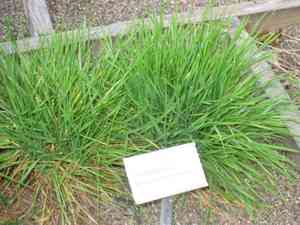
Sea barley predominantly reproduces via seeding. To achieve thriving development, it is vital to utilize soil with good drainage and situate the plant in a location receiving ample sunlight, which fosters peak growth. Following sowing, ensuring steady soil hydration without saturation is critical for the sea barley seeds to sprout successfully.
Optimal Period for Sea Barley Propagation
Propagation Method
Seeding
Propagation Period
Spring
Tools for Sea Barley Propagation
Seed trays
Seed trays are crucial for starting sea barley's seeds indoors, providing optimal control over the growing environment. These trays help maintain consistent moisture and temperature, vital for sea barley germination. Each cell supports individual seed growth, minimizing root disturbance during transplant, which is key for sea barley's delicate root system.
Peat pots
Peat pots are especially useful for sea barley due to their biodegradability. Sowing sea barley's seeds directly into peat pots reduces transplant shock when moving young plants outdoors. This is because the entire pot can be planted, benefiting root development and reducing stress on sea barley's seedlings.
Vermiculite
Vermiculite is a soil amendment mixed into the seed-starting medium to improve aeration and drainage. It is essential for sea barley as it helps prevent waterlogging around the roots, promoting healthier root development and reducing the risk of fungal diseases during early growth stages.
Watering can with a fine rose
A watering can with a fine rose attachment ensures gentle watering that won't disturb sea barley's seeds or young seedlings. This tool is crucial for keeping the soil evenly moist during germination without causing erosion or exposing seeds, thereby increasing germination success.
Labels and markers
Accurate labeling with durable labels and markers is essential for managing and tracking sea barley's growth progress. Labels are used to note sowing dates and specific care requirements, ensuring proper care schedules are followed during critical seedling development stages.
How to Propagate Sea Barley?
Propagation Type
Simple
Post-Propagation Care for Sea Barley
How to Care for Your Newly Propagated Sea Barley?
After propagation, continue to water sea barley moderately, ensuring the soil remains moist but well-drained. Sea barley typically thrives in cooler conditions and may require some shade if grown in particularly warm climates. Monitor for pests and diseases and treat as needed. Regularly check soil conditions and fertility, adding a balanced fertilizer if necessary to support robust growth.
Common Errors to Avoid When Propagating Sea Barley
Overwatering
Watering sea barley too frequently can lead to root rot, as their root systems are not adapted to excessively moist conditions. This can severely inhibit root development and reduce survival rates.
Deep Planting
Planting sea barley seeds too deeply can prevent germination because sea barley seeds require a certain amount of light and less soil cover to sprout effectively.
Ignoring Soil Composition
Using a soil mix that doesn't drain well or isn't sandy enough can impede sea barley's growth, as it prefers well-draining, somewhat sandy soils.
Tips For Propagating Sea Barley
Light Soil Cover
When sowing sea barley seeds, ensure only a light cover of soil over them. This enhances the chances of successful germination by allowing sufficient light exposure and easier sprouting.
Moderate Watering
Water sea barley sufficiently to keep the soil moist but not waterlogged. Overwatering can lead to the aforementioned issues of root rot.
Sandy Soil Mix
Use a sandy, well-draining soil mix for planting sea barley. This mimics their natural habitat and promotes healthier growth and root development.



