The Sea barley Plant Advantage: Maximizing Home and Office Appeal and Wellness
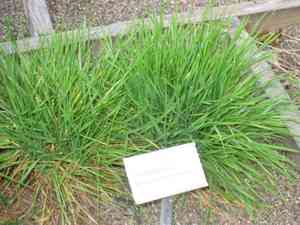
1
Sea barley tolerates salty soils well, making it perfect for seaside regions.
2
This hardy plant aids in preventing shoreline erosion due to its strong root network.
3
Sea barley offers a great home for native animals, supplying sustenance and refuge.
Why is Sea barley Crucial for Coastal Environments?
Inherent Salt Tolerance
Sea barley displays a remarkable ability to withstand saline soils. This distinct characteristic makes it an invaluable asset for coastal regions where the ground often contains high salt levels that would harm other plant types. By flourishing in such challenging environments, Sea barley helps stabilize these areas and promotes diverse life.
Preventing Shoreline Erosion
One of the most significant advantages of Sea barley is its capacity to prevent coastal erosion. The plant's strong root system firmly anchors the soil, reducing sediment movement caused by wind and water. This natural barrier protects coastlines from eroding quickly, preserving valuable land and ecosystems.
How Does Sea barley Support Local Wildlife?
Providing Habitat and Sustenance
Sea barley plays a vital role in supporting local wildlife by offering both food and shelter. The plant provides seeds and foliage that serve as nourishment for various bird species and small mammals. Additionally, its dense growth offers excellent cover, allowing animals to hide from predators and harsh weather conditions.
Fostering Biodiversity
By creating a stable environment where multiple species can coexist, Sea barley encourages biodiversity. The presence of diverse plant and animal life within these ecosystems generates a robust and resilient biological community. This interdependent relationship ensures that the ecosystem remains balanced and can recover from environmental stresses more rapidly.
What Are the Agricultural Benefits of Sea barley?
Improving Soil Quality
Sea barley contributes to enhancing soil quality by adding organic matter as it grows and decomposes. This organic matter enriches the soil, improving its structure, aeration, and nutrient content. Better soil conditions foster the growth of other plants, increasing overall agricultural productivity in areas where traditional crops might struggle.
Sustainable Farming Practices
Incorporating Sea barley into agricultural practices promotes sustainability. Since the plant can thrive in salty conditions, it can be used in rotation with other crops to manage soil salinity levels, reducing the need for chemical inputs. This ecological approach aligns with sustainable farming practices, ensuring long-term agricultural success.
Can Sea barley Play a Role in Climate Change Mitigation?
Carbon Sequestration
Sea barley can contribute to mitigating climate change through carbon sequestration. As it grows, the plant captures carbon dioxide from the atmosphere, storing it in its biomass. This process helps reduce the overall concentration of greenhouse gases, contributing to the fight against climate change.
Creating Green Spaces
Promoting the growth of Sea barley in urban and rural areas can transform them into green spaces, enhancing air quality and providing aesthetic value. Green spaces have been shown to improve mental and physical well-being for humans, making Sea barley a valuable addition to community landscapes.



