How to Prune Sea barley?
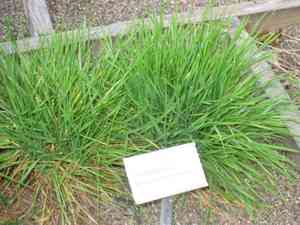
Sea barley, a resilient, grass-like perennial, flourishes in saline environments. In spring, remove any withered or discolored leaves to stimulate fresh development. Throughout summer and autumn, selectively cut back to sculpt the plant and preserve its vigor. The most effective time for trimming is after blooming, which facilitates seed dispersal. Trimming improves air movement, thereby lowering the chance of illness. Employ sharp cutting tools to ensure precise incisions, safeguarding the fragile stalks of sea barley.
What Are the Benefits of Pruning Sea Barley?
What Are the Benefits of Pruning Sea Barley?
Trimming sea barley can stimulate its development, ensuring a strong and vibrant plant. Consistent cutting helps maintain a desired shape and structure, enhancing health and visual appeal.
What Is the Best Time for Pruning Sea Barley?
What Is the Best Time for Pruning Sea Barley?
Spring pruning is optimal for sea barley as it occurs just before the growth period, ensuring that trimming doesn't impede the plant's energy for new growth and recovery. Early Summer pruning aligns with the post-flowering phase for sea barley, allowing the gardener to shape the plant and remove spent blooms, which encourages further flowering and prevents the plant from expending energy on seed production. Fall pruning is beneficial as it prepares sea barley for winter by eliminating dead or decaying growth, which can help prevent diseases and pests from overwintering and gives the plant a tidy look. Each of these seasons follows the natural life cycle of sea barley, promoting its health and vitality without disrupting its growth cycle or diminishing its potential for flowering or fruiting in the subsequent season.
What Tools Do I Need to Prune Sea Barley?
Hand Pruners
These are perfect for cutting through the slender stems of sea barley without harming the plant. A clean cut is essential to encourage healthy regrowth and prevent illness.
Gardening Shears
For shaping and trimming the foliage of sea barley, gardening shears provide a precise cut and allow for controlling the plant's form.
Grass Clippers
Since sea barley resembles grass in its structure, grass clippers can be particularly effective for quick trimming and maintaining its appearance.
Pruning Gloves
Wearing gloves is important to protect the hands from cuts and scratches while pruning sea barley. This also helps in handling the plant without causing damage to the foliage.
How to Prune Sea Barley
Cleaning tools
Before pruning sea barley, clean and sanitize all pruning tools. This helps prevent the spread of disease and pests among plants. Use a solution of bleach or alcohol to sterilize the blades of pruning shears or scissors.
Identify withered leaves
Dead or withered leaves on sea barley can be identified by their dry, brown, and brittle appearance, compared to the healthy green foliage. Carefully inspect the plant to determine which leaves require removal.
Cut withered leaves
Using the sterilized pruning shears, snip the withered leaves at their base, close to the main stem. Ensure cuts are clean and precise to avoid damaging the healthy parts of sea barley. Remove all dead material to encourage healthier growth.
Proper disposal
Dispose of the removed withered leaves properly. Do not compost diseased material as it could infect the compost pile. Instead, discard it in the trash or burn it if local regulations allow.
Monitor plant health
After pruning sea barley, monitor the plant closely for signs of new growth or recurring issues. Regular checks will enable timely interventions if further pruning is required or if other care practices need to be adjusted.
Common Pruning Mistakes with Sea Barley
Overpruning
Removing too much foliage which can stress sea barley, hindering its ability to thrive.
Improper cutting technique
Making jagged or tearing cuts can open sea barley up to disease and pests.
Neglecting tool hygiene
Failing to disinfect pruning tools can spread diseases between plants, which is detrimental to sea barley's health.
Pruning during active growth
Cutting back sea barley during its growth phase can interrupt natural development and reduce vigor.
Ignoring plant shape
Not considering the natural form of sea barley can result in a loss of its aesthetic appeal and potential growth issues.
Common Pruning Tips for Sea Barley
Sharp clean cuts
Use sharp, clean tools to make precise cuts, which helps sea barley recover more quickly and reduces stress.
Disinfect tools
Regularly disinfect pruning tools to prevent the spread of disease to or from sea barley.
Follow natural form
Prune with the natural shape of sea barley in mind to maintain its structural integrity and appearance.
Gradual pruning
Prune gradually, being cautious not to remove too much at once, ensuring the health and well-being of sea barley.
Monitor plant response
Observe how sea barley responds after pruning and adjust techniques accordingly to promote optimal health and development.



