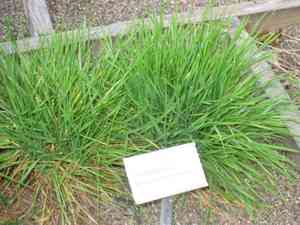
Sea barley (Hordeum marinum)
Also known as: Seaside barley, Mediterranean barley grass
Sea barley, or Hordeum marinum, typically thrives in coastal and saline environments, such as salt marshes and wetlands. Its Latin name "marinum" reflects its affinity for sea-related habitats. In California, this species is deemed invasive because it competes with native plants, disrupts local ecosystems, and can change soil salinity. In contrast, its presence in Britain has declined due to the expansion of agricultural land and the draining of water bodies.
In This Article
Attributes of Sea barley
Lifespan
Annual
Plant Type
Grass
Plant Height
10 cm to 40 cm
Spread
N/A (Grass species typically do not have a crown)
Leaf Color
Green
Flower Size
1.5 cm to 3 cm
Flower Color
Yellow Green Brown
Images of Sea barley
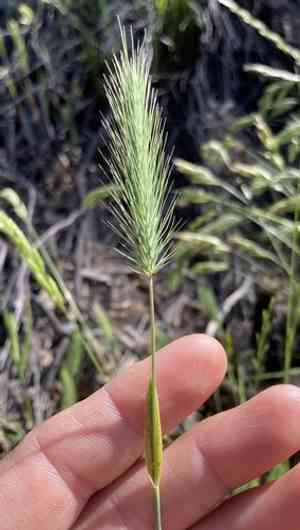
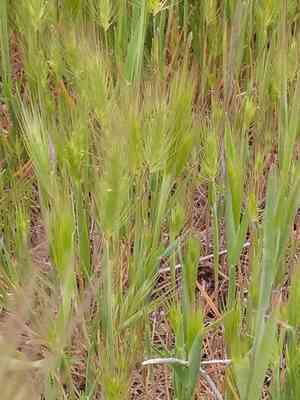
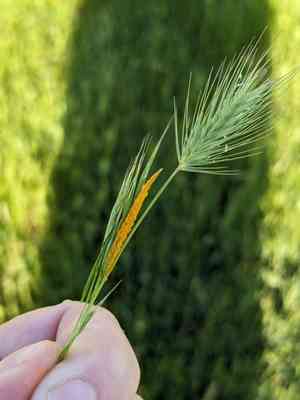
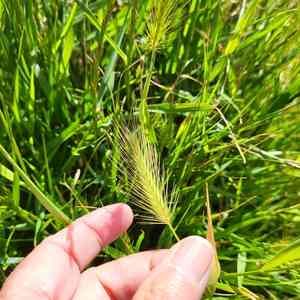
Quickly Identify Sea barley
1
Hordeum marinum can be identified by its slender, erect stems, narrow leaves, and the distinctive arrangement of its spikelets, which are typically three-flowered.
Scientific Classification of Sea barley
Phylum
Vascular plants
Class
Monocotyledons
Order
Poales
Family
Grass
Genus
Barleys
Species
Sea barley
Planting and Growing of Sea barley
Care Difficulty
Easy
Watering Schedule
Every 4 days
Sunlight Requirements
Full sun
Sunshine Duration
6-10 hours
Ideal Temperature
60-75℉
Soil Type
Potting Mix, Peat Mix
Soil pH
6.5-7.5
Fertilizer Type
Balanced
Pruning Season
Spring, Summer
Pruning Area
Branches, Leaves
Pruning Frequency
2 times a year
Repotting Season
Spring
Pot Type
Plastic, Ceramic
 How to Water Sea barley?
For Hordeum marinum, water the plant with about 500 milliliters per session. The key is to keep the soil consistently moist but not waterlogged. Water until you see some drainage through the pot's holes, indicating that the soil is sufficiently saturated.
What are the symptoms of an underwatered Sea barley?
›
What should I do if my Sea barley is not getting enough water?
›
What are the symptoms of an overwatered Sea barley?
›
How to save an overwatered Sea barley?
›
 What Are the Sunlight Requirements for Sea barley?
Hordeum marinum favors partial to full sun exposure, ideally with a mix of direct and indirect light. This balance promotes comprehensive growth, vibrant leaf color, and resilience to environmental stressors, ensuring the plant's vigor and beauty.
What is the best place to plant Hordeum marinum?
›
How can we ensure it gets optimal light conditions indoors?
›
Why does this plant need optimal light?
›
 What Is the Ideal Temperature Range for Sea barley?
For Hordeum marinum, the ideal temperature range is between 60°F and 75°F. This range ensures optimal growth and development, providing the right conditions for photosynthesis and metabolic processes. Maintaining this temperature allows the plant to thrive and produce robust foliage and healthy grains.
 What Soil is Best for Sea barley?
Hordeum marinum thrives in well-drained soil allowing its roots to breathe and prevent waterlogging. This condition is crucial for the prevention of root rot and promotes healthy growth. The plant prefers soil with moderate fertility to encourage robust growth. Excessively rich soil can lead to weak stems, affecting the plant's ability to stay upright. A mix that includes some gravel or small stones can aid drainage and mimic natural conditions. This supports optimal root development and drainage, mirroring its native habitat's characteristics.
 How to Fertilize Sea barley?
For Hordeum marinum, ensure to apply a moderate amount of fertilizer. For liquid fertilizer, dilute it to half the recommended strength on the label and use about 100 ml per plant. For solid fertilizers, use around 25 grams each time. It's essential to follow these guidelines as excess might negatively affect the plant's growth and development.
 How to Prune Sea barley?
Start by identifying and removing any dead or broken stems. This helps prevent potential diseases and encourages the plant to focus its energy on producing healthy growth. Trim any overgrown areas to promote even growth. This can also improve air circulation within the plant, reducing the risk of fungal infections. Prune to shape the Hordeum marinum according to your aesthetic preference, focusing on a balanced and structured appearance. Avoid cutting more than one-third of the plant at a time to avoid stress.
More About Pruning Techniques→
 How to Propagate Sea barley plant?
1
Begin by selecting healthy and viable seeds. Soak the seeds in water overnight to soften their outer coat, which can aid in faster germination when sown.
2
Fill the seed trays with potting mix and gently press the seeds into the soil. Cover them lightly with more potting mix, and water consistently without over-saturating the soil.
3
Place the seed trays in a location with indirect sunlight. Maintain a warm environment, ideally between 18-24°C (64-75°F), to facilitate germination within 10-14 days.
 How to Repot Sea barley plant?
1
Look for signs such as roots protruding from the drainage holes, soil compacting at the top, or the plant exhibiting slow growth despite good care. These indicate it's time to refresh its environment with a new pot and soil.
2
Select a pot that is one or two inches larger in diameter than the current one. Ensure it has adequate drainage holes to prevent waterlogging, which can be detrimental to the plant’s health.
3
Opt for well-draining soil that allows air circulation to the roots. This kind of soil prevents root rot by ensuring excess water flows out, maintaining a healthy moisture level for the plant.



