How to Transplant Common mare's-tail?
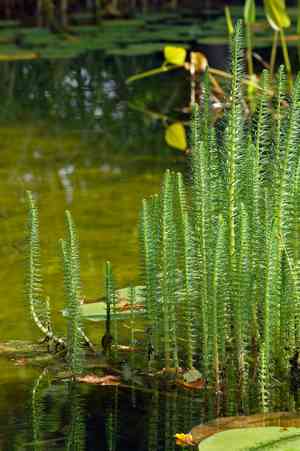
The ideal period for transplanting common mare's-tail is from the latter part of spring into the initial weeks of summer, fostering robust development. Choose a damp, adequately draining location that receives either partial shade or full sunlight. Should it be necessary, amend the earth with organic matter to support the flourishing of common mare's-tail.
What Preparations are Needed Before Transplanting Common Mare's-tail?
What is the Ideal Time for Transplanting Common Mare's-tail?
The best time to move common mare's-tail is from late spring to early summer. This period, after the cold has passed but before intense summer heat, provides common mare's-tail with ideal conditions: warm soil and consistent, moderate temperatures for root establishment without heat stress. Transplanting common mare's-tail during this season aligns with its natural growth cycle, allowing it to flourish in its new spot before winter dormancy. Choosing this time gives common mare's-tail a strong start for vigorous growth and a smooth transition to its new home.
How Much Space Should You Leave Between Common Mare's-tail Plants?
When preparing to transplant your common mare's-tail, ensure adequate room for each plant to develop. Ideally, position them 2-3 feet (60-91 cm) apart. This spacing provides ample area for growth without competition for resources.
What is the Best Soil Mix for Common Mare's-tail Transplanting?
For your common mare's-tail, a well-draining loam or sandy soil is most suitable. To enrich the soil, mix in some slow-release granular fertilizer as you prepare the bed. This will aid your plant's health as it adapts to its new environment.
Where Should You Relocate Your Common Mare's-tail?
Your common mare's-tail will thrive in a spot with either full or partial sunlight. However, it can also endure shaded conditions. Be thoughtful when selecting the location, ideally somewhere it can absorb sunlight but avoid excessive heat during peak summer days.
What Equipments Should You Prepare Before Transplantation Common Mare's-tail?
Gardening Gloves
To safeguard your hands while handling soil and common mare's-tail.
Shovel
Used for excavating holes and extracting the plant from its initial position.
Gardening Spade
A smaller implement useful for detailed tasks like loosening soil around roots.
Pruning Shears
To remove any damaged or diseased plant parts prior to transplanting.
Watering Can
For immediate post-transplant watering and subsequent regular irrigation.
Bucket
To transport the plant, soil, or water needed during the transplanting process.
How Do You Remove Common Mare's-tail from the Soil?
How Do You Remove Common Mare's-tail from the Soil?
From Ground: First, lightly moisten the common mare's-tail plant to soften the soil, making it easier to work with. Then, using a spade, gently loosen the soil around the plant, taking care not to harm the roots. Begin digging a trench around the plant, maintaining a distance to protect the root ball. Once you've dug sufficiently deep and around the plant, you should be able to carefully lift it from its original spot.From Pot: Water the common mare's-tail plant and allow a few minutes for absorption. Hold the plant at its base and gently tip the pot sideways, tapping it to dislodge the soil. Continue to gently pull and tap until the entire plant, along with its root ball, slides out.From Seedling Tray: Water the common mare's-tail seedlings and let the water soak in. Use a small spade or appropriate tool to carefully scoop out each seedling, ensuring the roots remain intact.
Step-by-Step Guide for Transplanting Common Mare's-tail
Preparation
Once the common mare's-tail is safely removed from its initial location, prepare it for transplanting. Gently shake off any excess soil from the roots and use pruning shears to trim away any damaged or diseased sections.
Digging
Excavate a hole in your garden where you intend to transplant the common mare's-tail. The hole should be twice as wide and deep as the plant's root ball.
Planting
Carefully position the common mare's-tail in the hole. The top of the root ball should be level with or slightly below the ground surface. Backfill the hole with soil, gently firming it around the plant's base.
Watering
Thoroughly water the plant immediately after transplanting, ensuring the moisture reaches the roots.
How Do You Care For Common Mare's-tail After Transplanting?
Pruning
Periodically trim the common mare's-tail to maintain its form and enhance its density. This encourages more robust growth.
Watering
The common mare's-tail prefers damp conditions. Water it thoroughly after transplanting and keep the soil moist with regular irrigation, adjusting based on weather and soil type. Avoid waterlogging, which can lead to root rot.
Disease and Pest Control
It's crucial to monitor for common pests and diseases. If you observe anything unusual, apply organic or recommended chemical treatments to address the issue.
Troubleshooting Common Issues with Common Mare's-tail Transplantation.
When is the best time to transplant common mare's-tail?
The ideal period to move common mare's-tail is during the third to fourth quarter of the year, allowing it to adapt to its new environment before active growth begins.
What is the ideal spacing requirement for common mare's-tail?
A distance of approximately 2-3 feet, or 60-90 cm, between each plant will ensure sufficient room for development.
How to prepare the new location before transplanting common mare's-tail?
For common mare's-tail, dig a hole twice its size to accommodate root expansion. Enrich the soil with organic material and ensure adequate drainage.
How to handle common mare's-tail while transplanting?
Carefully remove common mare's-tail from its container, avoiding root disturbance. Hold the plant at its base and transfer it to the hole, gently spreading the roots.
How deep should I plant common mare's-tail upon transplanting?
Ensure common mare's-tail is planted at the same soil level as it was previously to prevent stem rot. Do not plant it too deeply.
What after transplanting care does common mare's-tail need?
Water common mare's-tail thoroughly and consistently as it establishes, but avoid overwatering. Monitor its health and shield it from extreme temperatures.
What signs show common mare's-tail is not adjusting well after being transplanted?
Yellowing leaves, wilting, or stunted growth may indicate common mare's-tail is struggling. You might need to adjust light exposure, watering frequency, or soil nutrients.
How should I transplant common mare's-tail in soggy or clay soils?
Ensure the new site has proper drainage. Also, incorporate compost or grit to improve soil texture, helping common mare's-tail establish.
Is there any benefit of transplanting common mare's-tail in groups?
Yes, planting common mare's-tail in clusters creates a natural aesthetic and helps retain soil moisture, which benefits the plant's growth.
Can I transplant common mare's-tail in a container? If so, what size?
Yes, you can transplant common mare's-tail into a container. Choose a pot that is approximately 12 inches (30 cm) or larger in diameter to support healthy growth.



