How Much Sunlight Do Common mare's-tail Need?
1
Common mare's-tail flourishes when exposed to a minimum of six hours of direct sun each day.
2
This plant's ability to endure partial sun means it can tolerate periods of shade, particularly when the sun is most intense.
3
By frequently repositioning your plant, you can guarantee it consistently gets the optimal amount of solar exposure year-round.
How Much Sunlight Does Common mare's-tail Need?
Understanding Natural Habitat
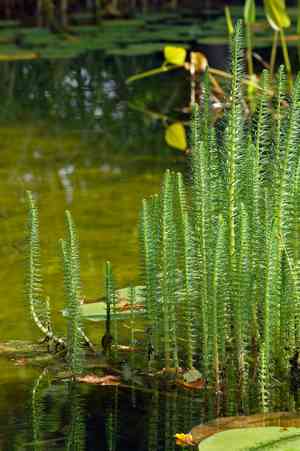
Common mare's-tail, which originates from wetland areas, naturally thrives in locations with abundant light. Recognizing its native environment is crucial, as it underscores the plant's requirement for extensive sun exposure to prosper.
Daily Sunlight Requirements
For robust growth, Common mare's-tail requires approximately 6 hours of direct sunlight daily. Full sun exposure fosters vigorous development and helps preserve its vibrant green hue. However, in extremely hot climates, some filtered shade during peak sun hours can be advantageous.
Seasonal Sunlight Variations
Sunlight angle and intensity change throughout the year. In warmer months, you might need to shield your Common mare's-tail from intense midday rays, while in colder periods, placing it where it receives maximum exposure to the weaker sun can be vital for its well-being. Observing seasonal shifts assists in properly relocating it.
Best Locations for Common mare's-tail
Ideal Indoor Spots
Indoors, situate your Common mare's-tail near a south-facing window to allow it to absorb ample daylight. If this isn't feasible, windows facing east or west can be suitable alternatives. Ensure the plant is not too far from the window, as even minor shading can significantly diminish its light intake.
Outdoor Placement Tips
Outdoors, select a spot that receives full sun for most of the day. Placing your Common mare's-tail near water features such as ponds or water gardens can replicate its natural setting. Remember to monitor the location to prevent areas where taller plants or structures might cast shadows.
Avoiding Too Much Sun
Even though Common mare's-tail loves sunshine, excessive intense midday light can cause leaf scorching. Provide partial shade during these hours by utilizing garden netting or positioning it under the dappled shade of taller vegetation. This balance helps prevent damage while meeting its sun exposure needs.
Adjusting Sunlight Exposure for Common mare's-tail
Using Sunlight Filters
Sunlight filters or sheer drapes can aid in regulating the intensity of light your Common mare's-tail receives, especially when positioned near windows with exceedingly bright illumination. These methods reduce the risk of leaf burn while still supplying adequate light.
Artificial Lighting Solutions
In areas where natural light is inadequate, particularly during winter, consider employing grow lights. LED grow lights that emulate the full spectrum of natural sunlight can deliver the necessary light intensity and duration, ensuring your plant stays healthy year-round.
Monitoring Sunlight Duration
Periodically assess the duration of light your plant is exposed to, using a light meter if necessary. This device helps you determine if your Common mare's-tail is getting too much or too little light, enabling you to make timely adjustments.
Signs of Improper Sunlight for Common mare's-tail
Indicators of Too Little Sunlight
If your Common mare's-tail isn't getting sufficient sunlight, you might observe slower growth and a duller green hue. The foliage may stretch towards the light source (a phenomenon called etiolation), signaling the need to move it to a brighter location.
Indicators of Too Much Sunlight
Overexposure to sunlight can result in leaf discoloration, causing a bleached look, and potential leaf scorch appearing as brown, crispy edges. If these symptoms emerge, consider moving the plant to a slightly shadier spot or providing midday shade to shield it from intense heat.
Maintaining Sunlight Balance for Common mare's-tail
Routine Check-ups
Consistent observation of your plant’s condition assists in preserving the correct sunlight equilibrium. Regular inspections ensure you detect early indicators of stress due to improper lighting and implement necessary adjustments in placement or shading.
Seasonal Adjustments
Alter the plant’s location in response to seasonal light changes. During summer, offer some protective shade, and in winter, maximize exposure to weaker sunlight by moving it closer to windows or using supplemental grow lights.
Implementing Best Practices
Adhere to optimal practices such as rotating the plant occasionally to ensure uniform light distribution, utilizing reflective surfaces to boost indoor light exposure, and incorporating artificial lighting in low-light situations to maintain the peak growth and health of your Common mare's-tail.



