How to Transplant Tibetan hellebore?
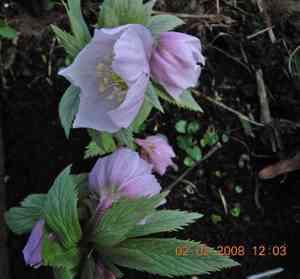
The most suitable period for relocating tibetan hellebore extends from the onset of early spring until the conclusion of late spring. Select a site offering partial shade and soil that drains effectively. Bear in mind that infrequent irrigation after transplantation aids in robust root development.
What Preparations are Needed Before Transplanting Tibetan Hellebore?
What is the Ideal Time for Transplanting Tibetan Hellebore?
The best time to move tibetan hellebore is when winter cold gives way to mild, warm air, typically from the emergence of the first buds until the end of late blooms. During this period, tibetan hellebore's roots establish most effectively in the still-cool ground, promoting strong development. Performing the transplant at this point ensures the plants settle in with sufficient time to adapt before summer's heat, encouraging vigorous health and magnificent flowers for future seasons.
How Much Space Should You Leave Between Tibetan Hellebore Plants?
When you're ready to place your tibetan hellebore in their new spot, it's wise to provide them ample room to thrive. Aim for a generous spacing of approximately 18-24 inches (45-60 cm) apart. This will give them plenty of space to grow without competing for nutrients or sunlight.
What is the Best Soil Mix for Tibetan Hellebore Transplanting?
Your tibetan hellebore will appreciate a comfortable bed of soil that drains well and is rich in organic material. Before transplanting, mix in some compost or a balanced, slow-release fertilizer to give your plant a strong start in its new location!
Where Should You Relocate Your Tibetan Hellebore?
Choose a location where your tibetan hellebore can enjoy partial sunlight â it prefers some shade! Avoid areas with full, intense sun. This peaceful spot will mimic the natural environments tibetan hellebore love, giving them the best chance for a happy life.
What Equipments Should You Prepare Before Transplantation Tibetan Hellebore?
Gardening Gloves
To safeguard your hands while digging and handling the tibetan hellebore.
Shovel or Spade
For excavating the plant and preparing the new planting site.
Watering Can or Hose
For hydrating the tibetan hellebore before and after its relocation.
Pruning Shears
To trim any damaged or excessively long root structures.
Wheelbarrow or Garden Cart
For transporting the tibetan hellebore from one spot to another, if required.
Garden Trowel
To refine the planting hole and assist in positioning the tibetan hellebore.
Garden Fork
To loosen the soil surrounding the plant prior to lifting it.
Mulch
To aid in retaining soil moisture post-transplantation.
Stake or Plant Support
To help the tibetan hellebore remain upright, if necessary.
How Do You Remove Tibetan Hellebore from the Soil?
How Do You Remove Tibetan Hellebore from the Soil?
From Ground: Hydrate the tibetan hellebore to moisten the earth around its base. Use a shovel or spade to dig a wide circle around the plant, ensuring to encompass the entire root ball. Gently loosen the soil with a garden fork and carefully lift the tibetan hellebore out of the ground.From Pot: Water the tibetan hellebore, then turn the container sideways and gently tap its sides to loosen the roots. Hold the plant's base and carefully slide it out of the pot, making sure the root ball remains intact.From Seedling Tray: Moisten the soil in the tray. Use a garden trowel or a plug popper to carefully lift the tibetan hellebore out of its cell, ensuring the root system is undisturbed.
Step-by-Step Guide for Transplanting Tibetan Hellebore
Plant Preparation
Inspect the tibetan hellebore's root ball for any signs of being pot-bound or any dead and broken roots. Trim as needed using pruning shears.
Hole Preparation
Dig a hole in the ground that is twice the width of the tibetan hellebore's root ball and the same depth. Amend the soil at the bottom of the hole if it is too compacted.
Plant Positioning
Place the tibetan hellebore in the hole so that its top is level with the surrounding ground. Adjust the hole depth if necessary and fill in around the root ball with loose soil.
Soil Refinement
Gently firm the soil around the base of the tibetan hellebore to eliminate any air pockets. Be careful not to over-compact the soil.
Mulching
Apply a layer of mulch around the tibetan hellebore, keeping it away from the stem, to help maintain moisture and temperature.
Watering
Water the tibetan hellebore thoroughly after planting to settle the soil and provide hydration for the roots.
Staking
If the tibetan hellebore is tall or unstable, provide support with a stake or plant support to prevent damage from winds or heavy rains.
How Do You Care For Tibetan Hellebore After Transplanting?
Watering
For the initial few weeks, maintain a consistent watering schedule to help the tibetan hellebore establish in its new location, ensuring the soil stays moist but not waterlogged.
Monitoring
Regularly check the tibetan hellebore for indications of transplant shock, such as wilting or yellowing leaves, and take corrective measures if needed.
Pruning
Remove any dead or dying foliage to direct the tibetan hellebore's energy towards root development and new growth.
Mulching
Replenish the mulch if it becomes displaced, to maintain consistent soil moisture and temperature.
Staking
Monitor and adjust the supports as the tibetan hellebore grows to ensure it remains stable and to prevent constriction as the stem thickens.
Troubleshooting Common Issues with Tibetan Hellebore Transplantation.
When is the best time to transplant tibetan hellebore?
The optimal transplanting period for tibetan hellebore is when spring arrives, typically early to late spring.
How far apart should I space tibetan hellebore when transplanting?
Allow each tibetan hellebore approximately 18-24 inches (45-60 cm) of space to flourish and display its beauty.
What kind of light does tibetan hellebore need after transplanting?
Post-transplant, tibetan hellebore prefers a location with partial shade, avoiding the intense midday sun.
Should I water tibetan hellebore immediately after transplanting?
Absolutely! Provide tibetan hellebore with ample water right after transplanting to help settle its roots.
What type of soil is best for transplanting tibetan hellebore?
Plant tibetan hellebore in well-draining soil rich in organic matter to give it a strong start.
How deep should I plant tibetan hellebore during transplanting?
Bury tibetan hellebore's roots so the crown is level with the soil surface, ensuring a secure fit.
What should I do if tibetan hellebore's leaves wilt after transplanting?
Don't worry â ensure sufficient watering and shade. Tibetan hellebore is likely just adapting to its new environment.
How do I prepare the site before transplanting tibetan hellebore?
Enhance the site with generous compost and loosened soil to create a welcoming bed.
Can tibetan hellebore be transplanted in the fall?
Spring is preferred; fall's cold can stress tibetan hellebore before it establishes itself.
What if tibetan hellebore doesn't flower after transplanting?
Patience is crucial! Tibetan hellebore may not bloom as it prioritizes root establishment over flowers.



