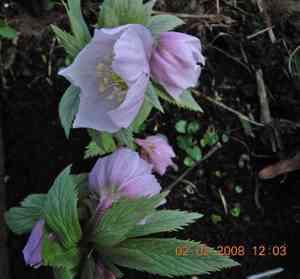
Tibetan hellebore (Helleborus thibetanus)
Also known as: Tibetan Hellebore
The Tibetan hellebore (Helleborus thibetanus) is a native wildflower primarily located in the forested areas of Sichuan and Shaanxi provinces in China. It grows from a hairy, succulent rhizome and thrives in partial sunlight, requiring well-drained soil, especially early in the year. In its natural habitat, the plant produces delicate, papery flowers in the spring, though cultivated varieties may bloom earlier when grown at lower elevations.
In This Article
Attributes of Tibetan hellebore
Lifespan
Perennial
Plant Type
Herb
Plant Height
30 cm to 50 cm
Spread
18-24 inches
Leaf Color
Green
Flower Size
1-2 inches
Flower Color
White Pink Purple
Images of Tibetan hellebore
Quickly Identify Tibetan hellebore
1
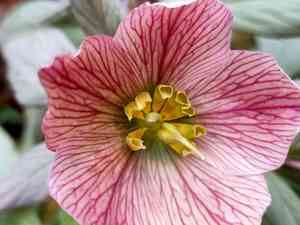
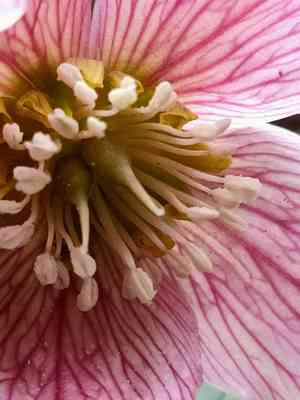
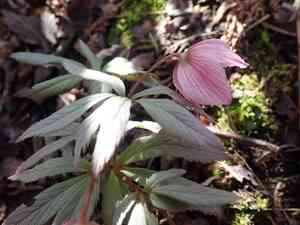
Look for its deeply lobed, dark green leaves and distinctive cupped flowers which are typically pale pink with a greenish tinge.
Scientific Classification of Tibetan hellebore
Phylum
Vascular plants
Class
Dicotyledons
Order
Buttercups, poppies and allies
Family
Buttercup
Genus
Hellebores
Species
Tibetan hellebore
Planting and Growing of Tibetan hellebore
Care Difficulty
Easy
Watering Schedule
Every 2 days
Sunlight Requirements
Partial sun
Sunshine Duration
4-8 hours
Ideal Temperature
60-75℉
Soil Type
Potting Mix, Peat Mix
Soil pH
6.5-7.5
Fertilizer Type
Balanced
Pruning Season
Spring, Summer
Pruning Area
Branches, Leaves
Pruning Frequency
Once a year
Repotting Season
Spring
Pot Type
Plastic, Ceramic
 How to Water Tibetan hellebore?
Helleborus thibetanus requires moderate watering. Water generously until the soil feels evenly moist but not waterlogged. It is crucial to let the top inch of soil dry out between each watering session to prevent root rot.
What are the symptoms of an underwatered Tibetan hellebore?
›
What should I do if my Tibetan hellebore is not getting enough water?
›
What are the symptoms of an overwatered Tibetan hellebore?
›
How to save an overwatered Tibetan hellebore?
›
 What Are the Sunlight Requirements for Tibetan hellebore?
Helleborus thibetanus thrives in partial sun to full shade. Ideal lighting promotes blooming and sustains healthy foliage, offering the plant balanced growth and resilience.
More About Sunlight Requirements Techniques→
What is the ideal lighting for Helleborus thibetanus?
›
How can I achieve ideal lighting for my Helleborus thibetanus?
›
What are the benefits of ideal lighting conditions for Helleborus thibetanus?
›
 What Is the Ideal Temperature Range for Tibetan hellebore?
Helleborus thibetanus thrives best in an ideal temperature range of 60 to 75 degrees Fahrenheit. This range allows for optimal growth and flowering. Temperatures within this range ensure that the plant's physiological processes occur efficiently, promoting healthy leaf and root development. It is important to monitor and maintain this temperature level to achieve maximum growth potential.
 What Soil is Best for Tibetan hellebore?
Helleborus thibetanus thrives in nutrient-rich soils that provide essential minerals for robust growth and vibrant blooms. The presence of organic matter in the loam ensures sustained nourishment, benefiting the plant's overall health and resilience. This plant prefers well-drained substrates to prevent root rot. Ensuring proper drainage provides a critical environment that avoids waterlogging, enhancing root growth and preventing disease. While drainage is essential, the soil should also retain enough moisture. Helleborus thibetanus benefits from soil that stays hydrated without becoming soggy, promoting steady growth and flowering.
 How to Fertilize Tibetan hellebore?
For Helleborus thibetanus, use a balanced fertilizer. For liquid fertilizers, mix one teaspoon with a gallon of water. For slow-release types, use approximately 50 grams per plant, ensuring it's spread evenly around the base to cover the root zone.
 How to Prune Tibetan hellebore?
Start with gathering your pruning tools—sharp shears and gloves. Ensure your shears are clean and sterilized to prevent any disease transmission. While Helleborus can be pruned in any season, the best time is in early spring just before the new growth starts. This acts as a clean slate for the upcoming growing season. Focus on cutting away last year’s leaves to make room for new growth. Cut these back to the base to tidy the plant and make the new buds more prominent and visible. While pruning, be careful not to damage the buds, as these are the key to new growth. Trim just above these to encourage better flowering. During flowering, feel free to deadhead spent flowers. This keeps the plant looking fresh and directs energy into producing new blooms rather than seed development.
More About Pruning Techniques→
 How to Propagate Tibetan hellebore plant?
1
Fill seed trays with a well-draining potting mix. Ensure the mixture is moist but not waterlogged, providing an ideal environment for seed germination.
2
Scatter the Helleborus thibetanus seeds over the surface of the soil. Lightly cover them with a layer of fine compost to protect the seeds and retain moisture.
3
Dig around a mature plant and gently lift it out. Use a sharp knife to divide the plant, ensuring each section has roots and new growth for successful propagation.
 How to Repot Tibetan hellebore plant?
1
Repotting Helleborus thibetanus should occur when you notice slow growth or roots protruding from drainage holes. The best time to repot is during the early stages of new growth in spring or when it enters dormancy in autumn. These periods allow the plant to adjust with minimal stress, promoting vibrant blooms and robust foliage.
2
Selecting the right pot is crucial for Helleborus thibetanus. Opt for a pot that is 2 inches larger in diameter than the current one to accommodate growth. Ensure it has adequate drainage holes to prevent waterlogging, which can lead to root rot. Clay pots are recommended for their breathability, helping to regulate soil moisture and keeping roots healthy.
3
Choosing the right soil is vital. A well-draining loamy mix enriched with organic matter is ideal for Helleborus thibetanus. This type of soil provides essential nutrients while allowing excess water to escape, preventing root rot. It also offers stability for root growth, ensuring the plant remains upright and healthy.



