How to Prune Tibetan hellebore?
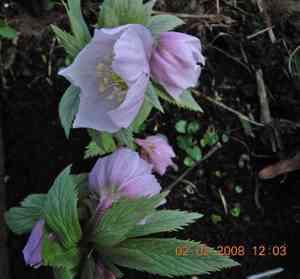
Recognized for its vibrant early spring blossoms and resilient evergreen leaves, tibetan hellebore flourishes with infrequent trimming to eliminate aged or compromised foliage and spent flower stems, thereby boosting the plant's vitality and aesthetic. Trimming can be performed whenever necessary, though after flowering is ideal to safeguard developing buds. Essential care involves disinfecting implements to avert the transmission of pathogens. The advantages of trimming encompass stimulating fresh development, preserving form, and deterring insect infestations.
Advantages of Trimming Tibetan Hellebore
Advantages of Trimming Tibetan Hellebore
Trimming tibetan hellebore promotes more robust development and guarantees a plentiful flowering season. It assists in maintaining a desired form, preventing excessive growth and enhancing the plant's overall vitality.
Optimal Period for Pruning Tibetan Hellebore
Optimal Period for Pruning Tibetan Hellebore
Pruning tibetan hellebore from late winter to early spring, just prior to new growth appearing, is most advantageous. This timing allows gardeners to remove any damaged or diseased leaves from the prior year without affecting the upcoming blossoms. As tibetan hellebore primarily blooms in late winter or early spring, pruning at this time ensures the plant's energy is directed towards producing healthy, new growth and flower buds. Furthermore, the plant's structure is more visible in late winter when it's not fully leafed out, simplifying precise cuts. Avoid pruning in late fall as cuts may not heal before cold weather, potentially leading to damage. Pruning within the specified window supports strong health and flowering without compromising the plant's vigor.
Essential Tools for Pruning Tibetan Hellebore
Bypass Pruners
These pruners create clean cuts and are perfect for severing the living, green stems of tibetan hellebore without causing undue harm.
Gardening Gloves
Shield hands from thorns and the sap of tibetan hellebore, which might irritate skin.
Pruning Saw
Useful for cutting through woody, thick stems if tibetan hellebore is mature and has developed larger branches that bypass pruners cannot manage.
Sharp Scissors
For precise snips when deadheading or shaping smaller, delicate parts of tibetan hellebore.
Garden Disinfectant
To sanitize tools before and after pruning tibetan hellebore, minimizing the risk of disease transmission.
How to Prune Tibetan Hellebore
Sanitize Tools
Before pruning tibetan hellebore, sterilize pruning tools using a solution like rubbing alcohol or diluted bleach to prevent disease spread.
Remove Diseased Parts
Carefully snip off any diseased leaves and branches from tibetan hellebore, ensuring clean cuts to prevent further infection and promote healthy growth.
Trim Withered Elements
Trim away withered leaves and flower stems of tibetan hellebore close to the base, avoiding damage to new growth or the plant's crown.
Eliminate Dead Material
Remove dead branches from tibetan hellebore by cutting at the base or at the point of healthy tissue, avoiding jagged edges that could invite pests or disease.
Maintain Plant Shape
After removing unwanted material, shape tibetan hellebore by selectively trimming to encourage a pleasing growth pattern while maintaining the plant's natural form.
Common Pruning Errors with Tibetan Hellebore
Excessive Pruning
Beginners often remove too much foliage, which can weaken tibetan hellebore and reduce its ability to photosynthesize. This error can lead to poor plant health and less vigor.
Neglecting Disease Prevention
Cleanliness is vital. Using dirty tools can spread diseases, and not disinfecting pruning tools before cutting tibetan hellebore may introduce harmful pathogens to fresh wounds.
Cutting At Improper Angles
Incorrect cutting angles may prevent water runoff, potentially causing rot at the cut site. Proper angles guide water away from the cut, reducing the chance of disease in tibetan hellebore.
Pruning For Shape
Attempting to prune tibetan hellebore into a particular shape can be harmful. Unlike topiary plants, tibetan hellebore has a natural form best left unaltered for its health and aesthetic.
Removing Healthy Growth
Cutting away healthy growth indiscriminately can stress tibetan hellebore. It is important to selectively prune dead or diseased foliage without affecting healthy parts.
Inattentiveness To Plant Architecture
Failure to understand tibetan hellebore's growth pattern may lead gardeners to make cuts that alter its natural architecture, which can impair future growth and bloom.
General Pruning Advice for Tibetan Hellebore
Disinfect Tools
Before pruning tibetan hellebore, always disinfect tools to prevent the spread of diseases. A solution of bleach or alcohol can be used to sanitize the blades.
Sharp Tools
Using sharp tools ensures clean cuts that heal faster, minimizing stress and exposure to pathogens in tibetan hellebore.
Selective Pruning
Focus on removing dead, damaged, or diseased foliage to encourage healthy growth in tibetan hellebore. Avoid cutting live stems unless they are structurally problematic.
Protect Plant Base
Prune stems above the base of tibetan hellebore, leaving a small amount of stem. Cutting too close to the ground can harm the crown and roots.
Cut At A Slant
Make cuts at a 45-degree angle to promote water runoff and prevent rot. Ensure the highest point of the cut is just above an outward-facing bud on tibetan hellebore.
Post-Pruning Care
After pruning, provide tibetan hellebore with appropriate water and nutrients to aid recovery. A balanced fertilizer can promote healthy growth post-pruning.



