How Much Sunlight Do Tibetan hellebore Need?
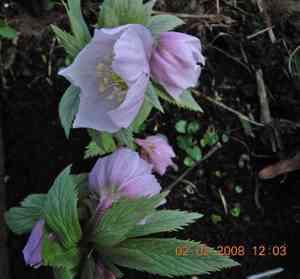
1
Tibetan hellebore flourishes with approximately 3-6 hours of sunshine each day.
2
Shield Tibetan hellebore from intense noon sun exposure to avoid burning its leaves.
3
Observe foliage coloration and development trends to determine if your Tibetan hellebore is getting appropriate illumination.
Optimal Sunlight Conditions for Tibetan hellebore
Partial Shade Requirements
The Tibetan hellebore thrives best when exposed to partial shade. This means it should receive diffused daylight, preferably in the morning or late afternoon. Aim for approximately 3 to 6 hours of light daily. Finding a location where it can enjoy gentle illumination while being protected from harsh midday sun is crucial for robust development.
Filtered Light Preferences
Filtered light is another essential condition for Tibetan hellebore. Imagine dappled sunshine passing through tree branches or the light from an east-facing window with transparent drapes. This setup emulates the plant's natural habitat, shielding it from intense sun while supplying sufficient light for growth.
Avoiding Direct Sunlight
Direct, unfiltered solar radiation can be harmful to Tibetan hellebore. Specifically, midday sun can cause leaf burn and stress the plant. It's advisable to position your Tibetan hellebore in an area where it remains shaded during peak sun hours, ensuring a healthier and more vibrant plant.
How to Monitor Sunlight Exposure for Tibetan hellebore
Using Sunlight Meters
To precisely track the sunlight your Tibetan hellebore receives, consider employing a light meter. These convenient tools measure light intensity in an area, helping you confirm your plant gets ideal exposure. Position the meter near your plant and check readings throughout the day to adjust placement if needed.
Observing Plant Behavior
Another effective method for monitoring sunlight exposure is by observing your plant's reactions. Healthy foliage, consistent growth, and vivid blooms indicate that your Tibetan hellebore is content with its light conditions. Conversely, yellowing leaves or stunted development might signal a need for more or less sunlight.
Seasonal Sunlight Adjustments
Keep in mind that sunlight intensity and duration shift with the seasons. In summer, you might need to provide extra shading or move the plant to a less sunny spot. In winter, repositioning your Tibetan hellebore to maximize available light can help maintain its vitality. Regular modifications ensure consistent ideal conditions all year.
Effects of Incorrect Sunlight on Tibetan hellebore
Signs of Too Much Sunlight
Excessive sunlight often leads to leaf scorching, where the leaf edges turn brown and brittle. Other indicators include wilting and faded coloration, as the plant becomes stressed by the intense light. If you observe these symptoms, it's a sign to relocate your Tibetan hellebore to a spot with more shade.
Consequences of Insufficient Light
Inadequate light can be equally detrimental. Poor development, elongated stems (a phenomenon called 'leggy' growth), and a lack of flowers are common signs of insufficient sunlight. Addressing this involves moving your Tibetan hellebore to a brighter area or ensuring it gets more filtered light.
Correcting Light Issues
If your Tibetan hellebore is suffering from improper light exposure, don't worry. Minor adjustments like changing its position, using sheer drapes for diffusing strong sunlight, or providing supplementary illumination can make a considerable difference. Consistently monitoring your plant and adjusting as required can help restore its health and vigor.
Ideal Growing Locations for Tibetan hellebore
Selecting Outdoor Spots
When cultivating Tibetan hellebore outdoors, seek a location with partial shade, such as beneath deciduous trees or along the north side of a structure. These areas naturally offer diffused light, creating an optimal environment for your plant without the risk of overexposure.
Indoor Growing Tips
Cultivating Tibetan hellebore indoors demands a balance of light exposure. Place the plant near a window that receives morning sun or filtered light throughout the day. East-facing windows are often perfect. Utilize sheer curtains if the light is too strong, ensuring your plant receives the gentle, dappled light it prefers.
Adjusting for Different Climates
Climatic variations can influence the amount of light your Tibetan hellebore requires. In cooler regions, you might find that the plant can endure slightly more sun. Conversely, in hotter areas, more shade may be necessary to keep it healthy. Always adapt your plant care to the local climate to guarantee optimal growth.



