How to Transplant Expanded lobsterclaw?
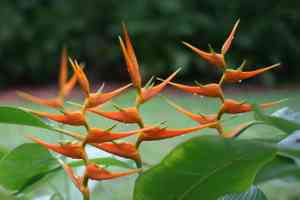
For Heliconia rostrata, the arrival of warmer weather during the initial to middle stages of spring presents an ideal period for relocating. Select a site that receives ample sunlight to partial shade and verify that the substrate is fertile, damp, and drains effectively. During this process, handle the soil gently as you encourage the plant's root system to acclimate to its new environment.
Essential Preparations Before Relocating Expanded Lobsterclaw?
Optimal Period for Transplanting Expanded Lobsterclaw?
The arrival of spring's mild temperatures marks the perfect time for relocating expanded lobsterclaw. During this season, consistent temperatures and moderate rainfall create an ideal setting for root development, enabling expanded lobsterclaw to flourish in its new spot. By transplanting within this window, you ensure expanded lobsterclaw benefits from the entire growing season, paving the way for vigorous growth and vibrant blooms. A friendly reminder: this timing allows expanded lobsterclaw to adapt and strengthen before the rigors of summer heat.
Required Spacing Between Expanded Lobsterclaw Plants?
When relocating expanded lobsterclaw, ensure each plant is spaced 2-3 feet (60-90 cm) apart. This provides ample room for individual plants to mature fully without competing for nutrients or sunlight. Remember: patience and adequate space are crucial for your expanded lobsterclaw's success!
Best Soil Mixture for Expanded Lobsterclaw Relocation?
For expanded lobsterclaw, well-draining soil is preferred. Enhance the soil with organic matter or a phosphorus-rich base fertilizer to stimulate root growth. Maintain a soil pH between 6.0 and 6.5. Your expanded lobsterclaw will greatly appreciate this small, yet impactful, care package!
Optimal Location for Your Expanded Lobsterclaw?
Select an outdoor site for your expanded lobsterclaw that receives ample sunlight, yet offers some protection from intense afternoon sun. Aim for approximately 6 hours of daily sunlight. Your expanded lobsterclaw will absorb that lovely sunshine in its new home!
Equipment Needed Before Relocating Expanded Lobsterclaw?
Shovel or Spade
This tool will enable you to excavate a hole of suitable dimensions for the expanded lobsterclaw plant.
Gardening Gloves
These will safeguard your hands from soil and any potential harm while extracting and handling the expanded lobsterclaw plant.
Watering Can
This will be useful for hydrating the expanded lobsterclaw plant during the relocation process to ensure it stays moisturized.
Garden Trowel
You might need this to ensure the expanded lobsterclaw is positioned correctly in the hole.
Mulch
This can assist in retaining soil moisture after the relocation.
How to Extract Expanded Lobsterclaw from the Ground?
How to Extract Expanded Lobsterclaw from the Ground?
From Ground: Start by watering the expanded lobsterclaw plant to moisten the surrounding soil. Next, using a shovel or spade, carefully dig around the plant, ensuring the root ball remains undamaged. Gradually work the spade beneath the root ball and lift the plant from its original spot. From Pot: First, water the expanded lobsterclaw in its pot to facilitate easier removal. Then, tilt the pot sideways and gently apply pressure to release the plant. Never pull the expanded lobsterclaw plant by its stem to remove it. From Seedling Tray: Water the tray thoroughly before deciding to transplant. Gently remove the expanded lobsterclaw seedlings from the tray, ensuring minimal damage during the process. Handle the seedling by its leaves rather than the stem to prevent injury.
Step-by-Step Guide for Relocating Expanded Lobsterclaw
Excavating the Hole
Using a shovel or spade, dig a hole that is twice as wide and as deep as the expanded lobsterclaw's root ball.
Positioning the Plant
Place the expanded lobsterclaw plant in the center of the hole. Ensure the top of the expanded lobsterclaw's root ball is level with or slightly above the ground before firming soil around it.
Watering
Immediately after relocating, water the expanded lobsterclaw plant using a watering can. Water generously to ensure the roots establish well in the new soil.
Mulching
Apply a layer of mulch around the base of the expanded lobsterclaw plant, being cautious around its stem. Mulch helps in retaining soil moisture for the plant.
Post-Relocation Care for Expanded Lobsterclaw?
Consistent Care
Closely monitor expanded lobsterclaw's growth during the initial weeks. Keep the soil around expanded lobsterclaw consistently moist to aid in developing strong roots.
Pruning
Remove any dead branches or leaves to help the expanded lobsterclaw conserve energy for healthy development.
Monitoring
Watch for any indications of pests or diseases in the weeks following the relocation. If you observe anything unusual, consult a local nursery or extension service.
Acclimation
Understand that expanded lobsterclaw will require some time to adjust to its new environment. Leaf drop or wilting is normal as the plant experiences 'transplant shock,' but it will recover with proper care.
Resolving Common Issues with Expanded Lobsterclaw Relocation.
When is the optimal time to relocate my expanded lobsterclaw?
The best season for relocating expanded lobsterclaw is between S1-S2. Your plant will thrive most if moved during this period.
What is the recommended spacing when relocating expanded lobsterclaw?
When relocating expanded lobsterclaw, maintain approximately 2-3 feet (60-90 cm) between each plant. This distance will ensure healthy growth.
Should I water expanded lobsterclaw before relocating it?
Yes, it's advisable to water expanded lobsterclaw a day prior to relocation â this helps alleviate the shock of moving.
How deep should the hole be when relocating expanded lobsterclaw?
Typically, the hole should be twice as wide and as deep as the expanded lobsterclaw's root ball. This promotes stable growth.
Can I relocate expanded lobsterclaw into a pot?
Yes, absolutely! Ensure the pot is sufficiently large and has good drainage to accommodate expanded lobsterclaw's growth.
How will I know if my expanded lobsterclaw has been successfully relocated?
Successful relocation of expanded lobsterclaw is usually indicated by new growth. Be patient, as this may take several weeks.
How often should I water my expanded lobsterclaw after relocating?
Keep the soil consistently moist but avoid overwatering. A healthy expanded lobsterclaw requires a balance for optimal growth.
Is a specific fertilizer needed for expanded lobsterclaw after relocation?
Using a high-phosphorus fertilizer after relocating expanded lobsterclaw helps encourage root development and boost plant establishment.
Should I prune my expanded lobsterclaw after relocating it?
Yes! Light pruning can help the expanded lobsterclaw focus on root development. Remove dead or weak branches for healthier growth.
What if my expanded lobsterclaw shows signs of wilting after relocation?
Wilting is normal after relocation. However, if it persists, consider providing shade or adjusting watering. Always carefully monitor your expanded lobsterclaw's environment.



