How to Prune Expanded lobsterclaw?
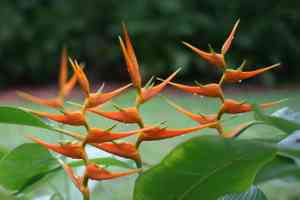
This tropical perennial, recognized for its vivid, claw-shaped bracts, expanded lobsterclaw, benefits significantly from consistent trimming. Concentrate on eliminating withered or compromised leaves and faded flower stalks to foster robust development. Trimming can be carried out at any point throughout the year, given that expanded lobsterclaw lacks a defined dormant phase. Regular cutting reduces the risk of illness and stimulates more abundant blooming. Employ sanitized, sharp pruning tools for accurate incisions, facilitating rapid healing and preserving the plant's visual appeal.
Advantages of Trimming Expanded Lobsterclaw
Advantages of Trimming Expanded Lobsterclaw
Trimming expanded lobsterclaw promotes abundant flowering, stimulates vigorous development, and maintains its organized form. It's crucial for vitality and visual appeal, optimizing conditions for vivid displays and ensuring manageable growth within the garden.
Optimal Pruning Period for Expanded Lobsterclaw
Optimal Pruning Period for Expanded Lobsterclaw
Pruning in late winter to early spring benefits expanded lobsterclaw by preparing it for the new growth cycle typically beginning in spring. During this time, the plant is dormant or just exiting dormancy, which minimizes stress and allows for better wound healing. Pruning before the rapid growth phase ensures the plant's energy is directed towards developing new shoots and flowers instead of supporting old or diseased tissue. Furthermore, removing dead or damaged foliage after winter helps prevent disease and pest infestations more common in warmer months. While expanded lobsterclaw can be pruned year-round due to its tropical nature and continuous growth in ideal conditions, focusing substantial pruning in late winter to early spring can maintain plant health and optimize flower production.
Required Tools for Pruning Expanded Lobsterclaw
Hand Pruners
Perfect for making clean cuts on the thinner stems and blooms of expanded lobsterclaw. This tool offers precise control, vital for removing dead or diseased material without harming healthy plant parts.
Long-Handled Loppers
Useful for reaching into the denser areas of expanded lobsterclaw to trim larger stems that hand pruners cannot manage. Their extended handles provide leverage for easier cutting.
Pruning Saw
Essential for cutting any thick stems or branches beyond the capacity of hand pruners and loppers. A pruning saw helps achieve clean cuts through woody material without causing unnecessary damage.
Garden Shears
Advantageous for shaping the plant and precisely trimming any excess foliage. They offer a quick and effective way to maintain the appearance of expanded lobsterclaw.
Gloves
A non-tool necessity, gloves safeguard hands from any sharp plant edges, as well as potential sap irritants.
How to Prune Expanded Lobsterclaw
Sanitizing tools
Before pruning expanded lobsterclaw, sanitize all pruning implements with a 1:9 bleach-to-water solution to prevent disease transmission.
Eliminate diseased sections
Remove any diseased leaves or branches by cutting them back to their origin or a healthy segment. Avoid tearing leaves or branches; use sharp pruning shears for a clean cut.
Trim withered elements
Snip withered leaves and flower bracts at their base where they connect to the stem. For spent flowers, it's best to cut just below the flower head.
Cut dead branches
Cut dead branches back to their point of origin or to a main stem, ensuring not to damage healthy parts. Dead branches are typically dry, brittle, and break easily.
Disposal
Promptly dispose of all removed plant material far from expanded lobsterclaw to prevent disease re-infection or pest infestation.
Common Pruning Errors with Expanded Lobsterclaw
Excessive pruning
Removing too many stems and leaves, which can stress expanded lobsterclaw and reduce its photosynthetic efficiency.
Inaccurate cuts
Making jagged or torn cuts that can lead to disease and pest infestation.
Pruning healthy growth
Unnecessarily cutting back vibrant stems and foliage, limiting the plant's growth and blooming potential.
Using unsanitized tools
Pruning with dirty tools, a common oversight, can spread disease among plants, including expanded lobsterclaw.
Neglecting dead or diseased material
Failure to remove dead, diseased, or damaged material can impede expanded lobsterclaw's growth and health.
General Pruning Advice for Expanded Lobsterclaw
Clean cuts
Ensure the use of sharp, clean pruning shears to make precise cuts on expanded lobsterclaw to promote rapid healing and deter disease.
Selective pruning
Carefully choosing which stems to prune will help maintain the plant's shape and encourage the development of new shoots and flowers.
Disease management
Promptly remove any dead, dying, or diseased leaves or stems to keep expanded lobsterclaw healthy and prevent disease spread.
Enhance air circulation
Prune expanded lobsterclaw in a way that opens up the plant and allows for improved air circulation, reducing the likelihood of fungal diseases.
Encouraging blooms
Prune spent flowers and old stems after they have finished blooming to stimulate expanded lobsterclaw to produce more flowers.



