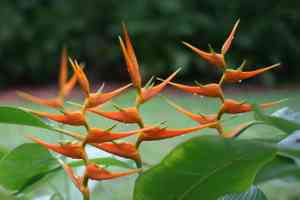
Expanded lobsterclaw (Heliconia latispatha)
Also known as: Red Heliconia, Wild Plantain, Wild Heliconia
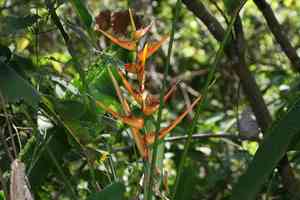
Heliconia latispatha, also known as the expanded lobsterclaw, is a plant species that originates from southern Mexico (including regions like Tabasco, Oaxaca, Chiapas, and Campeche), Central America, and northern South America (such as Colombia, Venezuela, Ecuador, and Peru). This herbaceous perennial can reach up to 4 meters in height and has banana-like leaves. Its erect inflorescence, which can grow up to 45 cm long, features red or orange bracts that encase green, yellow, or orange flowers. The species has also become naturalized in places like Florida and Jamaica.
In This Article
Attributes of Expanded lobsterclaw
Lifespan
Perennial
Plant Type
Herb
Plant Height
4 m
Spread
1 m
Leaf Color
Green Gray
Flower Size
5 to 10 centimeters
Flower Color
Yellow Red Pink Green Orange
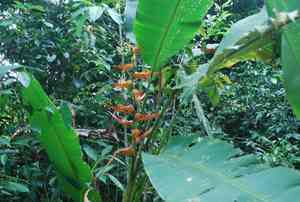
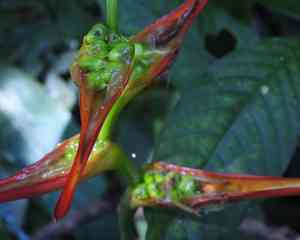
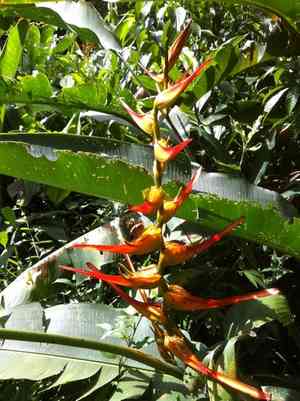
Images of Expanded lobsterclaw
Quickly Identify Expanded lobsterclaw
1
Heliconia latispatha can be identified by its large, banana-like leaves and striking, brightly colored bracts that are usually red, orange, or yellow. The inflorescences are erect and typically have a latispathe-like structure.
Scientific Classification of Expanded lobsterclaw
Phylum
Vascular plants
Class
Monocotyledons
Order
Zingiberales
Family
Heliconia
Genus
Lobster-claws
Species
Expanded lobsterclaw
Planting and Growing of Expanded lobsterclaw
Care Difficulty
Hard
Watering Schedule
Every 8 days
Sunlight Requirements
Full sun
Sunshine Duration
4-8 hours
Ideal Temperature
68-86℉
Soil Type
Potting Mix, Peat Mix
Soil pH
6.5-7.5
Fertilizer Type
Balanced
Pruning Season
Spring, Summer
Pruning Area
Branches, Leaves
Pruning Frequency
2 times a year
Repotting Season
Spring
Pot Type
Plastic, Ceramic
 How to Water Expanded lobsterclaw?
When watering Heliconia latispatha, aim to moisten the soil thoroughly, ensuring the moisture penetrates about 30-40 cm (12-16 inches) deep. This mimics its natural tropical environment. Use approximately 500 ml of water per session, keeping the soil consistently moist but not waterlogged.
What are the symptoms of an underwatered Expanded lobsterclaw?
›
What should I do if my Expanded lobsterclaw is not getting enough water?
›
What are the symptoms of an overwatered Expanded lobsterclaw?
›
How to save an overwatered Expanded lobsterclaw?
›
 What Are the Sunlight Requirements for Expanded lobsterclaw?
Heliconia latispatha thrives in full to partial sun conditions, ensuring vibrant color and frequent blooms. This light range promotes optimal photosynthesis and health.
More About Sunlight Requirements Techniques→
How can Heliconia latispatha achieve ideal lighting conditions?
›
What are the benefits of providing Heliconia latispatha with ideal light conditions?
›
What are steps to maintain the ideal lighting conditions for Heliconia latispatha?
›
 What Is the Ideal Temperature Range for Expanded lobsterclaw?
Heliconia latispatha thrives best in a warm climate, where temperatures range between 68°F and 86°F. This ensures optimal growth and blooming. Such conditions mimic its natural tropical habitat, providing sufficient warmth for the plant's biological processes.
 What Soil is Best for Expanded lobsterclaw?
Heliconia latispatha thrives in well-drained soil, which prevents waterlogging. Adequate drainage helps the plant's root system to breathe, aiding in healthy growth and preventing root-related diseases. A soil rich in organic matter supports the lush growth of Heliconia latispatha. High nutrient content provides essential minerals, enhancing the vibrancy and size of the plant’s foliage and blooms. The plant benefits from soils that retain moisture without becoming waterlogged. Consistent moisture availability supports the plant’s tropical nature, leading to continuous and robust growth.
 How to Fertilize Expanded lobsterclaw?
Heliconia latispatha benefits from a balanced fertilizer application that supports its vibrant growth and striking flowers. On average, apply 1/2 teaspoon of liquid fertilizer per gallon of water every two weeks, especially during the growing season. For slow-release granules, a light dusting around the plant's base, approximately 1 tablespoon per plant, three times a year is recommended. Always ensure fertilizers are well-diluted or spread evenly to prevent root burn.
 How to Prune Expanded lobsterclaw?
Start by cutting away any dead or brown leaves close to the base of the plant. Hold the leaf stem firmly and make a clean cut to avoid damaging other parts of the plant. This process helps redirect the plant’s energy towards productive growth. After the plant's vivid flowers begin to fade, trim back the flowering stems to just above a leaf node. This encourages the Heliconia to produce more flowers and prevents energy wastage on spent blooms, maintaining the plant’s beautiful display. Heliconia latispatha can grow vigorously; hence, regular trimming is necessary to control its size. Trim the plant to maintain the desired shape and size, ensuring it does not overrun garden space or nearby plants.
More About Pruning Techniques→
 How to Propagate Expanded lobsterclaw plant?
1
Select a healthy Heliconia latispatha parent plant with no signs of disease or stress. The parent plant should have vibrant foliage and adequate maturity, ensuring good genetic material for propagation.
2
Trim sections of the plant using sanitized garden shears. Make cuts slightly below a node on the plant stem, and each cutting should be about 15-20 cm long to ensure adequate material for rooting.
3
Insert the prepared cuttings into a sterile and well-draining growing medium like a peat-perlite mix. Plant each cutting to a depth where at least two nodes are buried beneath the surface.
 How to Repot Expanded lobsterclaw plant?
1
Heliconia latispatha should be repotted when its roots start to emerge from the drainage holes or when the plant seems to be less vigorous than usual. Signs might include slowed growth or a tendency to dry out quickly after watering, indicating that the plant may be root-bound and requires more space to grow.
2
Select a pot that is 2-3 inches wider in diameter than the current one. This gives the roots enough space to grow, helping the plant to access more nutrients and water, which supports overall health and growth. Ensure it has good drainage to prevent waterlogging, which can lead to root rot.
3
Choose a well-draining potting mix that can retain some moisture but also allow excess water to flow away. A good mix might include peat, pine bark, and perlite. This combination provides aeration, supports root growth, and reduces the risk of water-related issues like rot.
Learn More About Expanded lobsterclaw Diseases
Anthracnose
Bacterial Leaf Spot
Bacterial Soft Rot
Bacterial Wilt
Black Spot
Chemical Injury
Damping-off
Drought Stress
Fusarium Wilt
Gray Mold
Leaf Spot
Mosaic
Nutrient Deficiency
Nutrient Toxicity
Powdery Mildew
Root Rot
Root-knot Nematode
Rusts
Sooty Mold
Spider Mites
Temperature Stress
Thrips Damage



